Every shipping damage claim is a loss even when you win it. You recover some portion of the value, but you have already paid for the product, the packaging, the freight, the labour to file the claim, and usually a replacement shipment on top. The customer relationship absorbs the rest.
This guide covers how to file a damage claim that actually gets paid, what documentation carriers require, the deadlines that quietly kill claims, and the packaging decisions that stop the claim from being necessary in the first place.
Carrier Liability: What Your Claim Is Actually Against
A carrier is not an insurer. Carrier liability is limited by contract and by law, and understanding that distinction determines what a claim can recover.
Parcel carriers apply a declared value system. Without additional declared value, liability per package is capped at a default amount that is often far below the value of what you shipped.
Freight carriers operate under released value rates, typically expressed as a dollar amount per pound rather than the invoice value of the goods. A pallet of light, high-value electronics is dramatically under-covered by a per-pound freight liability limit.
The practical consequence is that a full-value recovery on a high-value shipment usually requires either declared value coverage purchased at the time of shipping or separate cargo insurance. Filing a claim against basic carrier liability recovers the limit, not the loss.
Freight Claims vs Parcel Damage Claims
The two processes differ enough that treating them the same causes denied claims.
Freight claims hinge on the delivery receipt. When an LTL shipment arrives, the driver presents that document and the receiving party signs it. Signing clean, meaning without noting visible damage, is the single most damaging thing a receiving team can do to a future freight claim. The carrier will argue the cargo arrived intact and the damage happened afterwards.
Every freight delivery should be inspected before signing. If there is visible damage, crushing, tears, water staining, or a shifted load, it must be written down in specific terms before the driver leaves. "Two cartons crushed on top tier" is useful. "Possible damage" is not.
Parcel damage claims have no such inspection step, so the burden shifts almost entirely onto photographic evidence and the original packaging. Parcel carriers frequently request inspection of the package and its contents, and they deny claims where packaging is judged insufficient for the item shipped.
The Claims Process: How to File a Claim Step by Step
The filing process is broadly consistent across carriers.
1. Note damage at delivery. For freight, write it on the receipt. For parcel, instruct the recipient to photograph the package before opening it.
2. Do not discard anything. Keep the outer carton, all void fill, all inner packaging, and the damaged product exactly as received. A carrier can and will request an inspection, and a claim without the packaging is usually denied outright.
3. Photograph everything. The outer package from all six sides including labels, the packaging materials in place before unpacking, the damaged product, and the shipping label with tracking barcode.
4. Quantify the claim amount. Assemble the commercial invoice showing what the goods are worth, the freight invoice, and the repair or replacement cost.
5. Submit the claim. File through the carrier portal within the filing window with all documentation attached. A partial submission restarts the clock in practice, because the carrier will simply request the missing items.
6. Track and escalate. Claims are worked in queues. Record the claim number, note the acknowledgement date, and follow up on a schedule rather than waiting.
Understanding Freight Claims and Cargo Claim Limits
A cargo claim against an LTL or truckload carrier is a different animal from a parcel claim, and the vocabulary matters because it determines which form you file.
Damaged freight covers goods that arrived but arrived broken. This is the most common cargo claim and the one where packaging quality is scrutinised hardest.
Lost freight covers a shipment that never arrived, or a partial shipment where cartons are missing from an otherwise complete delivery.
Concealed damage covers freight damage found after a clean receipt was signed. It is the hardest cargo claim to win, because the carrier can reasonably argue the damage occurred after handover.
To file a freight claim you submit a formal request in writing that identifies the shipment, states the claim amount, and attaches supporting documents. Most carriers now accept an online claim through their portal, and filing claims electronically is faster to track than paper. Some carriers settle by electronic funds transfer, which is worth setting up in advance so payment is not delayed by banking details.
Freight charges are part of the calculation people forget. Where a shipment is a total loss, the claim should include the freight charges paid to move goods that were destroyed, not only the value of the goods themselves.
Missing Contents and Partial Loss
A claim for missing contents sits between damage and loss. A carton arrives, it is intact, and part of the contents is not there.
These claims are difficult because the carrier will argue the carton was short-packed at origin. What wins them is packing evidence: a packing list inside the carton, a weight recorded at dispatch, and ideally a photograph of the packed carton before sealing. Operations that weigh outbound cartons as standard have a straightforward answer, because a carton that arrives lighter than it left is strong evidence.
Why Claims Get Denied
Denials cluster into a handful of causes, and most are avoidable:
- A clean receipt signed at delivery with no damage noted
- Filing after the deadline
- The packaging was discarded before inspection
- Inadequate packaging judged insufficient for the goods
- Missing or incomplete necessary documentation
- Claiming more than the carrier liability limit allows
Only one of those is about the carrier. The rest are process failures on the shipper side, which is encouraging, because it means most denied claims were winnable.
Filing Deadlines That Quietly Kill a Claim
Deadlines are where otherwise valid damage claims die.
For freight moving under standard interstate rules, the widely applied standard is that a claim must be filed in writing within nine months of delivery, and any lawsuit must follow within two years and one day of claim denial. Concealed damage, meaning damage discovered after a clean receipt was signed, carries a much shorter practical window, frequently five days, and is significantly harder to win.
Parcel carriers run tighter timelines. Filing windows for a damaged package claim are commonly measured in weeks rather than months, and vary by carrier and service level.
The operational fix is simple: file immediately, not when someone gets to it. A claim filed the week of delivery with complete documentation is a routine transaction. The same claim filed four months later is an argument.
Photo Documentation and the Necessary Documentation for a Claim
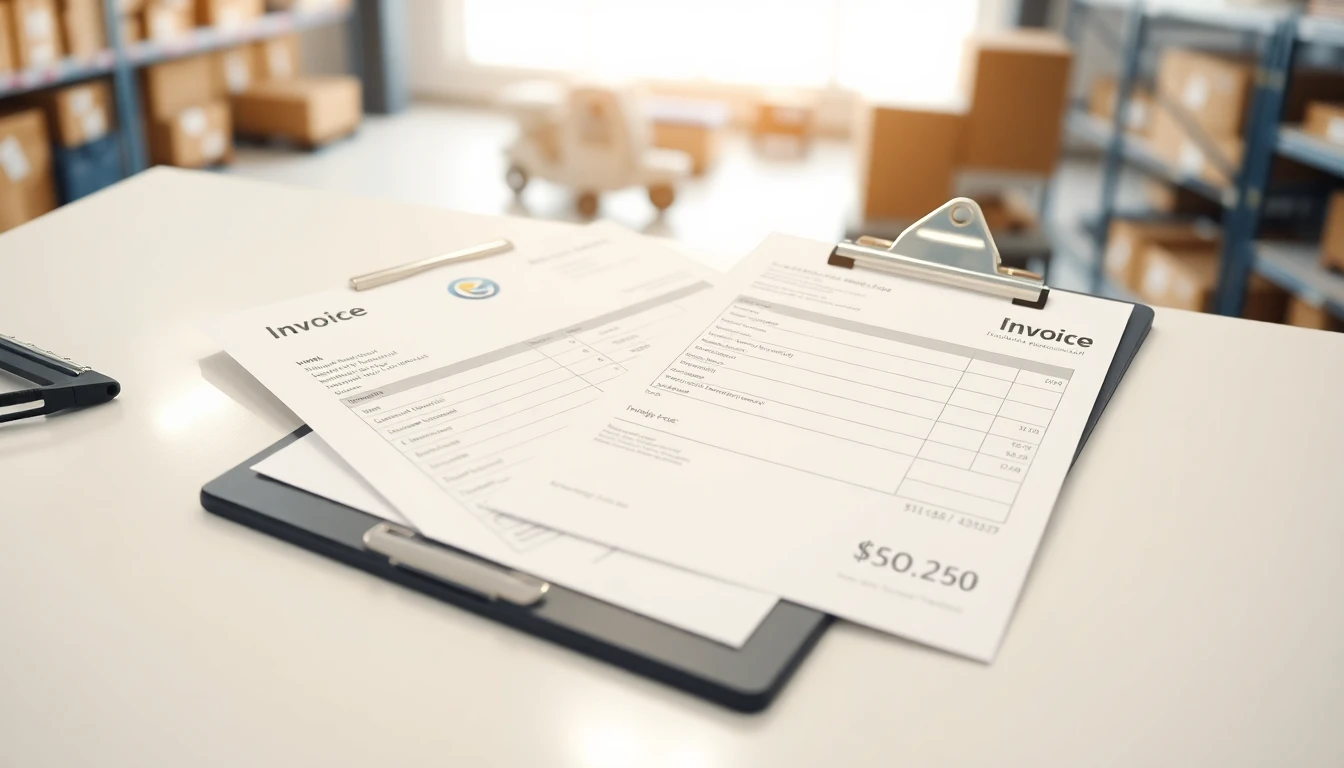
Carriers deny claims for missing paperwork more often than for disputed liability. Assemble the full set before you submit:
- The bill of lading or tracking number identifying the shipment
- The signed receipt with damage noted, for a freight claim
- The commercial invoice establishing what the goods are worth
- The freight invoice showing what you paid to move the shipment
- Photographs of the package, the packaging materials, and the damaged product
- A repair estimate or replacement cost substantiating the amount claimed
- A completed claim form for the carrier in question
Build this as a standard packet. Receiving teams that know what to capture at the dock produce claims that get paid; teams that reconstruct evidence weeks later produce claims that get denied.
Preventing Damage Claims Is Cheaper Than Filing Them
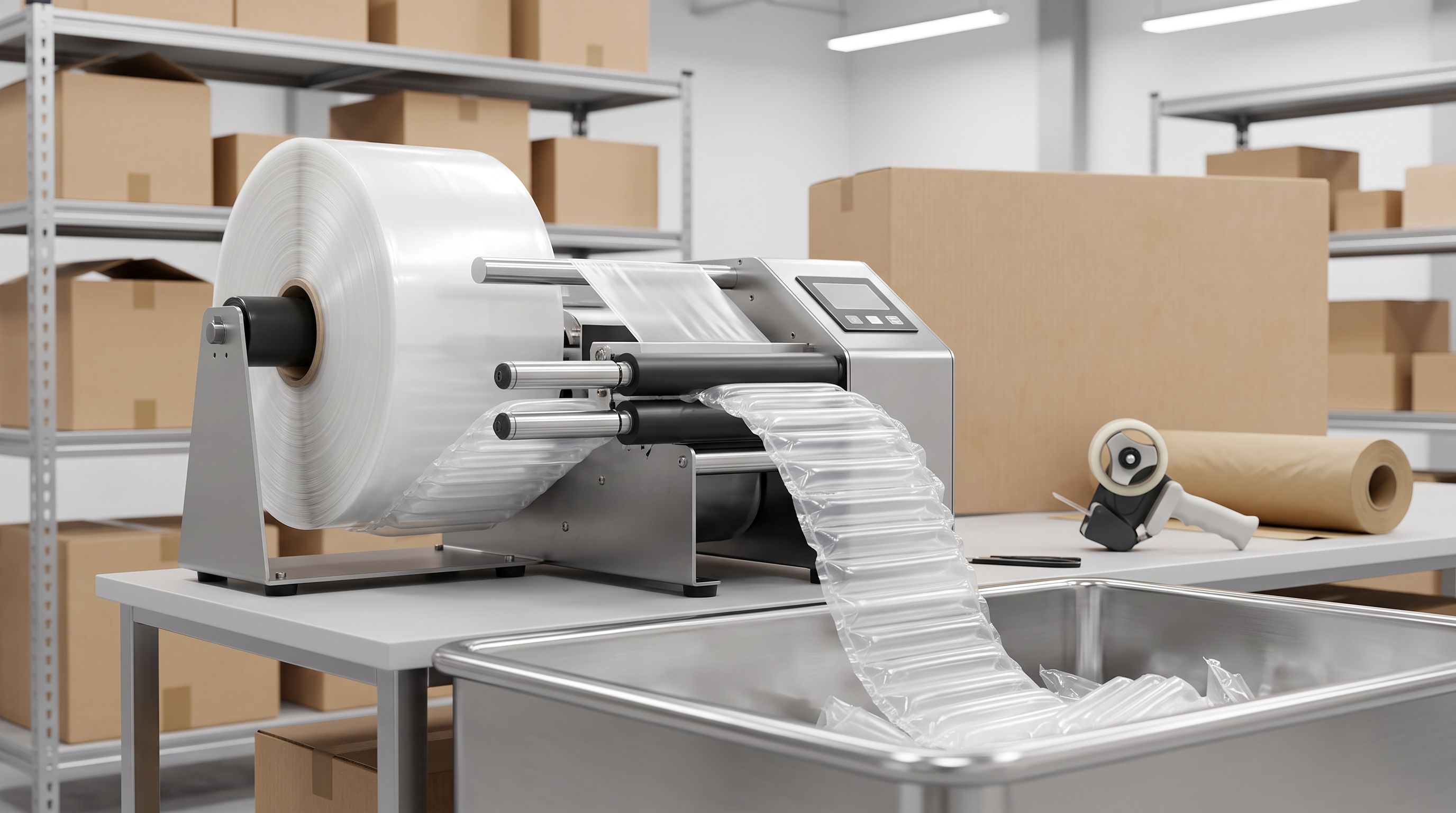
Recovering a claim returns a fraction of the true cost. The freight is spent, the labour is spent, the customer has already had a poor experience, and the replacement shipment costs the same as the first.
That arithmetic is why damage rate belongs in the same conversation as packaging spend. A packaging programme evaluated only on cost per carton, without reference to what it costs when the shipment arrives broken, is being measured on the wrong number. Our article on reducing shipping damage rates works through that trade-off, and 5 signs your business is overspending on packaging covers the wider cost picture.
Packaging That Survives the Claim Investigation

When a carrier investigates a damage claim, one of the first questions asked is whether the packaging was adequate for the goods. Claims are routinely denied on insufficient packaging, and that denial is difficult to appeal.
Three failure patterns account for most of it:
Movement inside the box. If the product can shift, it will strike the carton wall during handling. A packed carton should produce no movement when shaken. Void fill is what achieves that, and insufficient void fill is the most common finding in a failed claim investigation.
Direct contact with the carton wall. Any point where the product touches the outer box is a transmission path for impact. Cushioning on all six sides is the standard the carrier will measure against.
Under-specified cartons. The right board grade for the weight and stacking load matters as much as what is inside.
On-demand air cushions address the first two directly. Cushions are produced at the packing station and placed around the product to fill the void completely, so the packer is not rationing material that is awkward to store. Our guides to void fill packaging and choosing the right air pillow size cover how to specify that properly.
Turning Claims Data Into a Packaging Decision
Damage claims are a diagnostic if anyone reads them. Track every claim by SKU, by lane, by carrier, and by failure mode. Patterns appear quickly: one SKU that fails on corner impact, one lane where handling is rougher, one carton size that is consistently under-filled.
That analysis tells you precisely where to change the packaging, and it converts a reactive claims process into a targeted fix.
AIRFILL Technologies supplies air pillow and air cushion packaging systems designed to eliminate the void that causes most in-transit damage. If your damage claims are running higher than they should, talk to our team about the packaging side of the problem.