
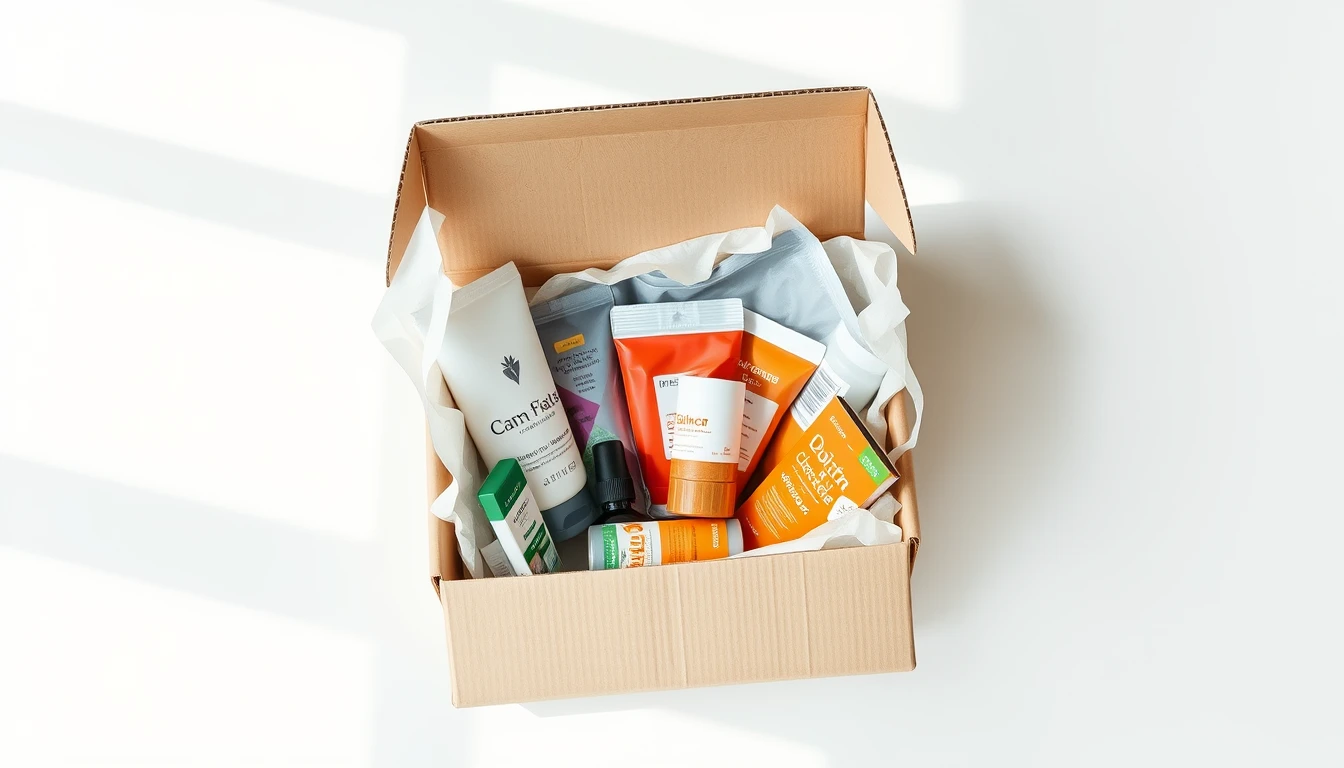
Subscription box packaging carries a heavier load than almost any other kind of ecommerce packaging. It has to protect a mixed assortment of products through a parcel network, survive being opened by a customer who may film it, and do both at a cost that works when you are shipping the same box to thousands of subscribers every month.
Those three demands pull against each other. Protection wants more material. Presentation wants a clean, uncluttered interior. Cost wants less of everything. Getting subscription box packaging right means resolving that tension deliberately instead of discovering it in your damage rate.
This guide covers how to think about the shipping box, the void fill inside it, and the cost per box, for subscription services shipping at real volume.
Why Subscription Boxes Are Harder to Pack Than Standard Orders
A typical ecommerce order contains products a customer chose. A subscription box contains an assortment you chose, and it changes every cycle. That creates problems standard fulfillment does not have.
- The contents change monthly. A packing configuration tuned for last month's assortment may be wrong for this month's, so the process has to tolerate variation.
- The contents are mixed. A glass jar, a paperback, and a soft goods item in one box behave completely differently in transit. The heaviest item is usually the one that damages the others.
- The box is the brand. Most subscription services have no retail presence, so the box is the entire physical brand experience.
- Volume is concentrated. Subscription services ship in waves, so packing thousands of boxes in a few days makes labor and consistency the binding constraint.
- Churn is the real metric. A damaged box does not just cost a replacement. It gives a subscriber a reason to cancel, and the lifetime value of that subscriber goes with it.
That last point reframes the whole cost conversation. In a one-time purchase, a damaged item costs a replacement. In a subscription business, it can cost every future shipment to that customer.
Choosing the Right Shipping Box
Box selection drives both cost and protection, and most subscription services get more value from fixing this than from any other change.
Right-size the box to the assortment. An oversized box means more void fill, more dimensional weight, and more room for products to move. An undersized box means crushed products and no cushioning. Because subscription assortments vary month to month, most services settle on two or three standard box sizes rather than a new size every cycle.
Understand the corrugated spec. Mailer boxes with an E-flute construction are common in subscription because they are thin enough to look refined while still providing structure. Heavier assortments generally need a sturdier flute. If your boxes are arriving with crushed corners, the flute grade is usually the reason.
Standardize. Every additional box size adds a purchasing decision, storage footprint, and a chance for a packer to grab the wrong one. Fewer sizes, packed consistently, beats a perfectly optimized box you cannot execute at volume.
Dimensional weight deserves specific attention here. Carriers bill on the greater of actual or dimensional weight, and subscription boxes tend to be light and bulky, which is exactly the profile that gets billed on dimensions. A box an inch smaller in each direction can change what you pay on every shipment for the life of the subscription. Our guide to reducing dimensional weight charges covers the calculation.
Custom Printed Boxes and Brand Presentation
Most subscription services eventually move from plain shipping boxes to custom printed boxes, and it is worth understanding what that decision actually buys and what it costs.
What custom boxes do well. A custom subscription box turns the shipping container into brand media. For a subscription service with no retail presence, printed mailer boxes are often the only physical brand impression customers receive, and they arrive every single month. Printed interiors in particular are cost effective brand real estate, since the customer sees them at the moment of highest attention.
Print methods and cost. Digital printing has changed the economics considerably. Traditional flexographic and litho-lam printing deliver excellent results at high volume but carry plate costs and steep minimum order quantities. Digital printing eliminates plates, which makes shorter runs and seasonal box designs viable, though the per-unit price stays higher at large volumes. For subscription services testing designs or running premium tiers alongside standard ones, digital printing usually wins on flexibility.
Box construction. E-flute corrugated is the common choice for printed subscription mailer boxes because its fine profile takes print well while still providing structure. B-flute offers more crush resistance for heavier assortments at some cost to print surface. If your printed boxes arrive with crushed corners or scuffed panels, flute selection is usually the cause.
The tradeoffs to plan for. Custom boxes mean minimum order quantities, inventory you carry, lead times that constrain how quickly you can change an assortment, and a fixed box size you are committed to for the length of the run. Many subscription services manage this by keeping one or two printed box sizes and handling variation with what goes inside rather than by adding box types.
One caution worth stating plainly: a beautifully printed box that arrives with the contents rattling has spent brand budget to deliver a bad impression. Presentation and protection are not alternatives. Printed boxes raise the stakes on getting the inside right.
Eco-Friendly Packaging Choices
Sustainability is a purchasing factor for a large share of subscription customers, and eco friendly packaging claims are also an area where subscription brands get criticized when the claim outruns the reality.
The choices that hold up:
- Right-size the box. The most reliable eco friendly move is shipping less air. Smaller boxes use less corrugated and lower the carbon footprint of every shipment.
- Corrugated is broadly recyclable. Curbside programs accept cardboard almost universally, which makes the box itself the easy part.
- Be precise about the fill. Polyethylene film void fill, including air pillows, is generally recyclable through store drop-off rather than curbside. Say that accurately rather than labeling it simply "recyclable."
- Avoid materials customers resent. Loose fill and mixed-material inserts are hard to separate and dispose of, and subscribers notice.
- Do not overstate. Vague eco friendly claims invite scrutiny. Specific, verifiable statements about eco friendly materials are stronger than broad ones.
For subscription services where curbside recyclability is a firm brand commitment, corrugated-based protection is the better fit than film. AIRFILL's EcoGuard line exists for exactly that requirement. Our essential guide to sustainability in packaging covers the broader picture.
Protecting What Is Inside the Box

Once the box is right, the problem is movement. Any empty space inside a subscription box is space for the contents to shift, collide, and arrive looking disturbed even when nothing actually broke.
Three things need to happen:
- Separate items that can damage each other. Heavy or hard items should not be able to reach fragile or soft ones. Inserts, dividers, or simple placement discipline handle this.
- Immobilize the assortment. The contents should not rearrange themselves in transit, both for protection and because a box that arrives jumbled reads as cheap.
- Protect genuinely fragile items individually. Glass, ceramics, and liquids need their own wrapping before they go in. Our guide to packaging fragile items covers the method.
Void Fill Without Wrecking the Unboxing
This is where subscription packaging differs most from ordinary fulfillment. Void fill has to do its job without dominating the experience of opening the box.
That rules some options out on presentation grounds regardless of how well they protect. Loose packing peanuts protect adequately and are widely disliked by customers, because they spill across the floor and have to be cleaned up. Excessive crumpled paper buries the contents and hides the assortment you spent months curating.
Air pillows fit the subscription use case well for a few specific reasons:
- They lift out cleanly. A customer removes the cushions in one motion and the assortment is revealed intact, with nothing to clean up.
- They are visually quiet. Clear inflated cushions read as protective rather than as clutter, and they do not compete with the products or the tissue paper.
- They conform to a changing assortment. Because the fill adapts to whatever is in the box, the same material works when next month's contents are a different shape.
- They are almost weightless. More than 99% air, so they add protection without adding shipping cost.
- They are produced on demand. Cushions are inflated at the packing station, so you store film rather than pre-inflated volume. For a subscription service packing in concentrated waves, that storage difference is significant.
Void fill packaging explains the category in more depth, and we compare the specific options in air pillows vs packing peanuts.
Tissue paper is worth a note here because it appears in nearly every subscription box. Tissue is a presentation material, not a protective one. It makes the reveal feel considered and it keeps items from scuffing each other, but it does not stop movement or absorb impact. Use it for presentation, and use void fill for protection. Substituting one for the other is a common and expensive mistake.
The Unboxing Moment Is Part of the Product

For subscription services, the unboxing is not marketing decoration. It is a recurring touchpoint that either reinforces the subscription's value every month or quietly undermines it.
A few things consistently help:
- Layer the reveal. Something that reads as intentional at the top, the assortment beneath.
- Keep the interior tidy. Contents in a consistent arrangement, not shifted into a corner.
- Make protection easy to remove. Cushioning the customer lifts out in one piece beats fill they have to dig through.
- Match materials to positioning. An eco-positioned brand shipping in obviously excessive packaging creates a contradiction subscribers notice.
None of that requires abandoning protection. It requires choosing protective materials that are also acceptable to look at and easy to remove, which is exactly the constraint that pushes subscription services away from loose fill.
Controlling Cost Per Box at Volume
Subscription economics are unforgiving because every decision multiplies by your subscriber count and repeats every cycle. A small change in the price of a box compounds fast across a monthly subscription program.
The costs worth examining:
- Corrugated boxes. Driven by box size, flute grade, and whether the boxes are printed. Right-sizing usually saves here and on shipping simultaneously.
- Printing. Setup costs and minimum order quantities matter as much as unit price. Digital printing costs more per box but avoids plate costs and lets you order fewer boxes at a time.
- Void fill. Compare on cost per box packed and storage footprint, not just the unit price of the material.
- Labor. Often the largest and least examined line. Seconds per box multiply across a packing wave.
- Shipping costs. Frequently dominated by dimensional weight, which traces straight back to box size.
- Damage and replacements. The cost of a replacement, plus the churn risk it creates with subscribers.
The trap is optimizing these in isolation. Cheaper boxes that crush in transit raise damage costs. Thinner void fill that saves pennies costs a subscriber. The number that matters is total cost per delivered box, including the shipments you have to send twice.
Labor deserves particular scrutiny in subscription fulfillment. When boxes are packed in concentrated waves, the time each packer spends per box determines whether you make the ship date. Void fill produced on demand at the packing station removes walking, material handling, and hesitation from the process. How air cushion machines save fulfillment centers covers the throughput side in more detail.
If you want a structured way to think about scaling this as subscriber count grows, our guide to building a packaging strategy that scales is the companion piece.
A Practical Checklist for Subscription Box Packaging
Before you lock in a configuration for the next cycle:
- Standardize on two or three box sizes that cover your realistic assortment range.
- Confirm the corrugated grade matches your heaviest routine assortment, not your lightest.
- Wrap genuinely fragile items individually; do not rely on general fill.
- Separate heavy items from crushable ones with placement or dividers.
- Use void fill that lifts out cleanly and does not need cleaning up.
- Calculate dimensional weight for your actual box, not the one you intended to use.
- Drop-test a fully packed box on every face and corner before the wave.
- Track damage by item, not just overall, so you fix the specific offender.
Talk to a Packaging Specialist
Subscription box packaging is a system, not a product choice. The right configuration depends on your assortment, your box sizes, your packing wave, and where damage is actually happening.
AIRFILL Technologies works with ecommerce and subscription brands to build packaging around on-demand air cushion void fill, so boxes go out packed consistently, subscribers open something that looks intentional, and cost per box stays predictable as you scale. For background on the product line, start with our complete guide to inflatable packaging for e-commerce.
Talk to a packaging specialist for a free consultation on your subscription program.
AIRFILL Technologies — 1816 Railroad Street, Corona, CA 92878 · (844) 247-3455
Frequently Asked Questions
What is the best packaging for a subscription box?
A right-sized mailer box matched to your assortment, individual protection for genuinely fragile items, and void fill that immobilizes the contents without burying them. Air pillows suit subscription boxes because they lift out cleanly, adapt to a changing assortment, and add almost no shipping weight.
How do I stop subscription box contents from shifting in transit?
Eliminate empty space. Use void fill to immobilize the assortment, and separate heavy items from crushable ones with dividers or deliberate placement. Contents that cannot move cannot collide.
Is tissue paper enough to protect subscription box contents?
No. Tissue paper is a presentation material. It prevents scuffing and improves the reveal, but it does not stop movement or absorb impact. Pair it with real void fill.
How can I reduce subscription box shipping costs?
Start with box size. Subscription boxes are typically light and bulky, so they are usually billed on dimensional weight rather than actual weight, which means a smaller box lowers cost on every shipment. Lightweight void fill helps by adding protection without adding billable weight.
Do air pillows work if my assortment changes every month?
Yes, and that is one of their main advantages here. Because inflated cushions conform to whatever is in the box, the same material handles a different assortment each cycle without a new packing configuration.