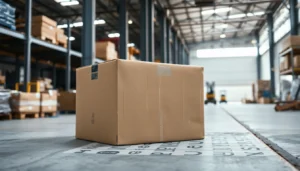
Shipping damage is one of those operational costs that tends to be underestimated until someone actually runs the numbers. The replacement product cost is visible. The labor cost to process the return, repack, and reship is less visible. The impact on customer satisfaction and repeat purchase behavior is harder to quantify but just as real. And the carrier claim process, for those operations that file claims, takes time and administrative bandwidth that costs money regardless of outcome.
For operations with elevated damage rates, protective packaging is almost always part of the solution. This post looks specifically at why shipping damage happens, how air pillow technology addresses the root causes, and what operations typically see once they make the switch.
Why Shipping Damage Happens
Most shipping damage is not the result of catastrophic mishandling. It is the result of cumulative low-level impact over a full transit journey. A box gets placed on a conveyor. It gets stacked under other boxes. It gets loaded and unloaded from vehicles. It drops from a height at a sort facility. Each of those events sends force into the box, and what happens to the product inside depends entirely on how well the packaging absorbs and distributes that force.
The two primary causes of in-transit product damage are movement inside the box and insufficient cushioning.
Movement inside the box occurs when there is empty space around the product. Every time the box experiences an impact or a change in direction, the product slides or shifts. It hits the box walls. It hits other items in the box. Over hundreds of impacts during a standard transit journey, this adds up. Products that seem well-protected when the box is sealed arrive with corner damage, broken seals, shattered components, or crushed packaging because they were never truly secured inside the box.
Insufficient cushioning occurs when the packaging material between the product and the box wall does not absorb enough impact energy. Thin or inconsistent padding allows force to transfer directly to the product. Underfilled boxes, degraded materials, or materials that compress too easily under load all fall into this category.
Air pillow packaging addresses both causes directly.
How Air Pillows Eliminate Product Movement
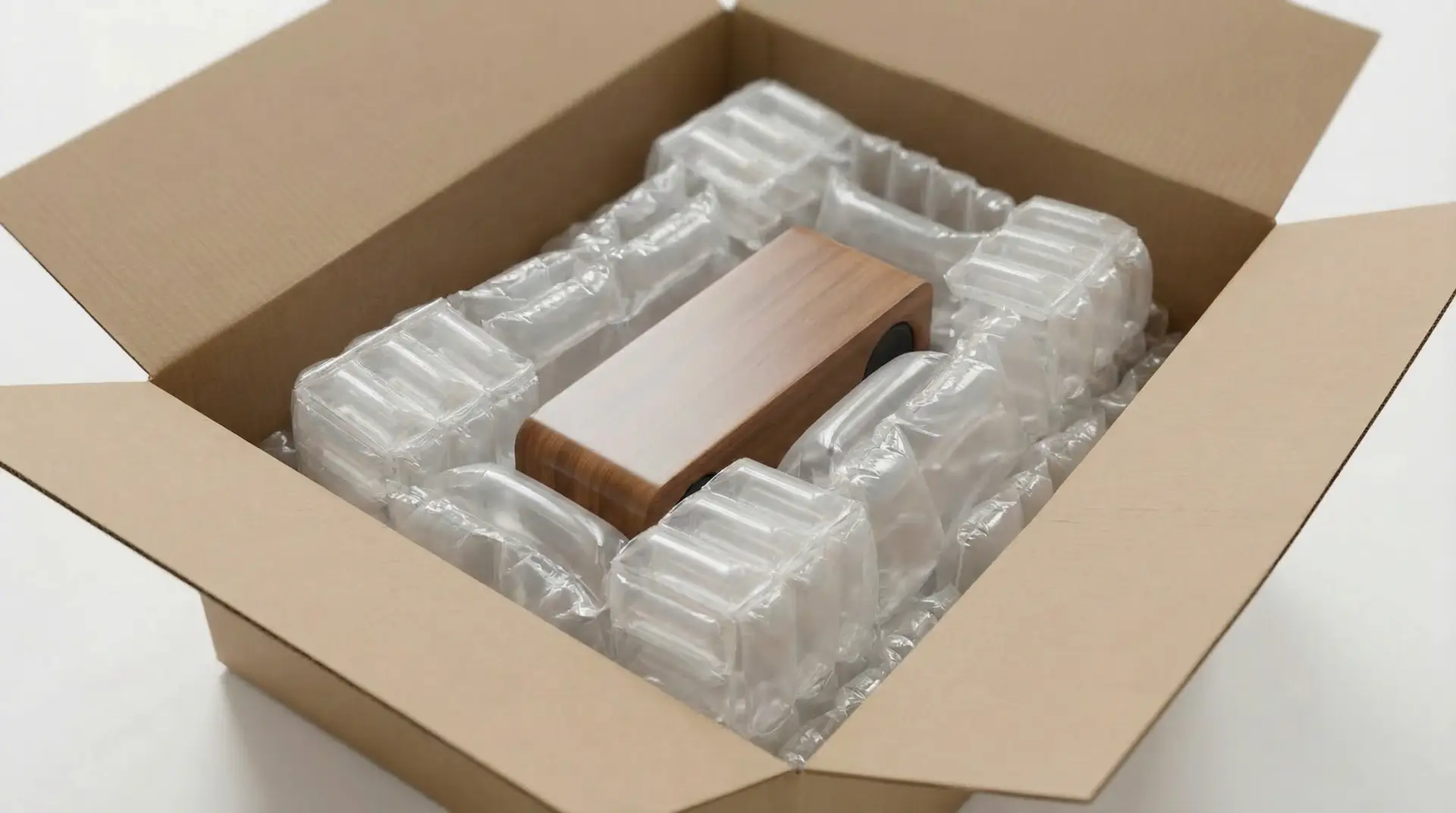
Air pillows function as void fill by filling the empty space inside a shipping box around the product. When that void is properly filled, the product has nowhere to move. It is held in position by the cushions on all sides, which means the box can experience normal transit impacts without the product shifting inside.
This is a mechanical solution to a mechanical problem. If there is no room for the product to move, it will not move. Air pillows achieve this by conforming to the available space in the box and maintaining their inflation pressure throughout the transit journey, which means they are just as effective at impact protection when the box arrives as they were when it was packed.
For operations that have historically underpacked boxes, whether out of material cost pressure or simple inconsistency at the pack station, moving to an air pillow system typically produces a visible reduction in damage rates. The cushions make it easier for packers to fully fill the box consistently, which removes the human variability from the equation.
How Air Pillows Absorb Impact
Beyond void fill, air pillows cushion the product by absorbing and distributing impact energy. When a box is dropped or compressed, the air pillows deform under the load and spread that force across a larger surface area rather than concentrating it at a single point of contact. This is the same principle that makes air-based cushioning effective across a wide range of product categories and packaging configurations.
The key advantage of air-based cushioning over denser materials is that it provides meaningful impact protection without adding significant weight to the shipment. Foam inserts, for example, can provide comparable protection for specific product shapes, but they add weight and cost significantly more per shipment. Air pillows provide broad protective coverage at low material weight, which keeps shipping costs in check while delivering the cushioning performance operations need.
What the Damage Rate Reduction Looks Like in Practice
Operations that transition from inadequate void fill to a properly configured air pillow system typically see a meaningful drop in reported damage claims and customer complaints within the first few months. The exact improvement varies based on starting conditions. An operation that was previously shipping with minimal void fill in loosely packed boxes will see a larger improvement than one that was already using a different form of adequate cushioning.
The more useful way to think about this is in terms of the total cost impact. Shipping damage costs show up in several places: replacement product costs, inbound return shipping costs, outbound reshipping costs, customer service time, carrier claim administration, and the harder-to-measure cost of customer attrition from poor delivery experiences. A reduction in damage rate affects all of those simultaneously.
For operations that have done this analysis, the reduction in damage-related costs tends to be one of the strongest arguments for moving to an air pillow system, often more compelling than the direct material cost comparison alone.
Getting the Configuration Right
Air pillow systems are not a one-size-fits-all solution, and getting the most out of them requires matching the right cushion size and configuration to your product mix and box sizes. An undersized cushion in an oversized box will not fill the void adequately. An oversized cushion in a small box will create pressure on the product rather than cushioning it.
AIRFILL works with operations to identify the right film type and cushion configuration for their specific products and shipping boxes. This is part of the setup process, not an afterthought. Getting this right from the beginning is what produces the damage rate results that operations are looking for.
For operations with a diverse product mix shipping in multiple box sizes, the system can be configured to support that variety. The flexibility of air pillow systems is one of their practical advantages over rigid foam inserts or custom-cut packaging, which require a separate SKU for every product shape.
The Role of Pack Station Consistency
Even the best packaging system produces inconsistent results if it is applied inconsistently. One of the real advantages of air pillow systems is that they make it easy for packers to pack correctly and quickly. The cushions are uniform. There is no measuring, cutting, or hand-forming required. A packer who knows to fill the void gets the same result whether they have been on the job for three years or three weeks.
This consistency effect is particularly valuable for operations with high staff turnover or seasonal workforce fluctuations. The pack quality does not degrade when the team changes because the process itself is simple and repeatable.
Frequently Asked Questions
What causes most shipping damage?
The most common causes of shipping damage are product movement inside the box during transit, insufficient cushioning that fails to absorb impact from drops and compression, and inadequate void fill that allows products to shift. Air pillow packaging directly addresses all three causes.
How do air pillows reduce shipping damage?
Air pillows reduce shipping damage by filling the void space inside shipping boxes, preventing product movement during transit. They also absorb impact from drops and external compression. This combination of void fill and cushioning eliminates the two primary causes of in-transit damage.
What is a good shipping damage rate?
Acceptable damage rates vary by industry and product type, but most operations target damage rates below 1 to 2 percent of total shipments. Operations using inadequate void fill or cushioning often see rates significantly higher than this. Improving protective packaging is one of the most reliable ways to bring damage rates down.
Ready to Reduce Your Shipping Damage Rates?
If your operation is seeing shipping damage rates that feel too high, or if you are spending more than you should be on replacements, returns, and customer service related to damaged deliveries, it is worth a conversation with AIRFILL. We can look at your current packaging setup and help you understand what an air pillow system would change.
Call us at (844) 247-3455, email paul@airfilltechnologies.com, or reach out through our contact page and we will get back to you.