
If you’re shipping products and experiencing damage claims, excess packaging costs, or inconsistent pack times on the floor, void fill packaging is likely the lever you haven’t fully optimized yet.
This guide breaks down exactly what void-fill packaging is, the different types available, the measurable benefits for your operations, and the best practices that procurement leaders and operations VPs use to standardize their packaging programs across facilities.
Whether you’re evaluating your current void fill solution or building a new packaging specification from scratch, you’ll leave with a clear framework for making the right decision.
What Is Void Fill Packaging?
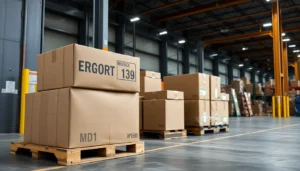
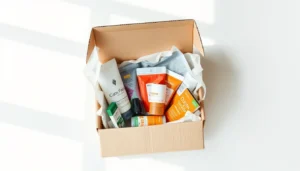
Void fill packaging — also referred to as void fillers — describes any material used to fill the empty space inside a shipping box after a product is placed inside. The goal is simple: prevent the product from shifting, absorb impact during transit, and ensure it arrives at its destination undamaged.
When a box has unfilled space — what the industry calls “voids” — the product can slide, bounce, and collide with the box walls under the stress of carrier handling. This is one of the leading causes of damage claims in both B2B and e-commerce shipping operations.
Why Void Fill Matters for Your Bottom Line. According to industry data, packaging-related damage costs shippers an average of 11% of their total shipping spend annually. Proper void fill eliminates the majority of preventable in-transit damage — which means fewer returns, fewer replacements, and stronger customer satisfaction scores.
Types of Void Fill Packaging Materials
Not all void fill is created equal. Void fill packaging materials come in different forms — inflatable, loose-fill, and sheet-based — and the format directly impacts how effectively the material fills space, protects product, and scales with your operation. The right solution depends on your product mix, shipping volume, warehouse footprint, and sustainability targets.
1. Air Pillow Packaging
Air pillows are inflated plastic chambers that conform around products to prevent movement and absorb shock. They inflate on demand from flat film rolls, which means they store in a fraction of the space required by pre-expanded materials.
Air pillows are the most widely adopted void fill solution for high-volume e-commerce and B2B fulfillment operations due to their speed, consistency, and cost-per-shipment advantages.
-
Best for: General merchandise, e-commerce, mixed-SKU fulfillment
-
Key advantage: Low cost-per-shipment, fast pack times, minimal storage footprint
-
Sustainability: Curbside recyclable options available; BPA-free film
2. Air Cushion Packaging
Air cushion systems produce larger, interconnected cushions designed for heavier or more irregularly shaped products. Air cushions provide superior blocking and bracing — holding products firmly in place rather than simply filling negative space.
-
Best for: Industrial parts, electronics, heavier B2B shipments
-
Key advantage: Superior product immobilization; handles heavier loads
-
Sustainability: Ships and stores flat; recyclable film options
3. Foam Inserts
Foam inserts are pre-cut or custom-molded pieces of foam designed to cradle specific products. While foam offers protection for precisely shaped, high-value items, it carries significant operational and cost disadvantages for most shipping programs.
-
Best for: Custom-fit applications for a single, fixed product SKU
-
Key disadvantage: Expensive to produce, requires significant warehouse storage space, is not recyclable in most municipalities, and is slow to deploy across changing product mixes
-
Sustainability: Foam is generally non-recyclable; growing compliance pressure from ESG requirements and retail sustainability programs
4. Packing Peanuts
Loose-fill polystyrene peanuts were a standard void fill for decades, but they have fallen out of favor with most modern operations due to mess, inconsistency, and sustainability concerns. Biodegradable starch-based alternatives exist but carry a higher material cost.
-
Best for: Low-volume, lightweight applications where inflation machines are not practical
-
Key disadvantage: Inconsistent fill, messy, poor sustainability profile, slow pack times
5. Paper Void Fill
Crumpled or honeycomb paper serves as an eco-friendly alternative to void fill. Paper is recyclable and biodegradable, which supports sustainability reporting goals. Honeycomb paper, in particular, is 100% plastic-free and offers decent protection for lighter products. The tradeoff is added shipment weight, which impacts dimensional weight (DIM) charges from carriers, and slower pack times compared to air-based systems.
-
Best for: Lightweight, sustainability-forward brands with lower volume
-
Key disadvantage: Adds DIM weight, slower pack times, lower protection output compared to air-based solutions
Void Fill Material Comparison
Use this table to evaluate void fill options against the metrics that matter most to procurement and operations leadership:
|
Material |
Cost Per Shipment |
Storage Footprint |
Pack Speed |
Recyclable |
Best Application |
|---|---|---|---|---|---|
|
Air Pillows |
Low |
Minimal (flat film) |
Fast |
Yes (curbside) |
E-commerce, general fulfillment |
|
Air Cushions |
Low–Medium |
Minimal (flat film) |
Fast |
Yes |
Industrial, electronics, B2B |
|
Foam Inserts |
High |
Large (pre-cut) |
Slow |
No |
Single-SKU, high-value custom fit |
|
Packing Peanuts |
Medium |
Very Large (bulk) |
Slow |
Limited |
Legacy operations, low volume |
|
Paper Fill |
Medium |
Moderate |
Medium |
Yes |
Sustainability-first, lightweight goods |
Benefits of Void Fill Packaging for B2B Operations
The right void fill solution delivers compounding benefits across multiple business functions — not just the packing floor. Here’s what procurement managers and operations VPs should expect.
1. Reduced Damage Claims and Return Costs
Properly filled boxes eliminate product movement during transit. Fewer damaged shipments mean fewer return authorizations, replacement orders, and carrier claims — all of which carry both hard costs and significant hidden operational overhead.
2. Lower Cost Per Shipment
Air-based void fill systems dramatically reduce per-shipment material costs compared to foam inserts and loose-fill alternatives. When combined with on-demand inflation systems, you eliminate pre-purchasing and warehousing large volumes of pre-expanded material — directly reducing carrying costs.
3. Warehouse Footprint Reduction
Flat-film air pillow and air cushion systems ship and store as compact rolls, occupying a fraction of the floor space required by foam inserts or bulk packing peanuts. For operations managing multiple SKUs across large warehouses, this reclaimed space translates directly into operational efficiency.
4. Faster Pack Times and Labor Savings
Automated inflation systems allow packers to produce consistent, ready-to-use void fill on demand without manual assembly or pre-sorting. This reduces pack time per order, supports seasonal volume spikes, and decreases training time for new hires.
5. Sustainability and ESG Compliance
As retail partners, enterprise customers, and regulatory frameworks increasingly require documentation of sustainable packaging practices, air-based void fill with curbside-recyclable and BPA-free film options provides a defensible, audit-ready sustainability story — something foam inserts cannot offer.
Void Fill Packaging Best Practices
Implementing a void fill program is straightforward — optimizing it for cost, protection, and scalability requires attention to a few key principles:
-
Right-size your boxes before adding void fill. Oversized boxes require more fill material and increase DIM weight charges. Standardize box sizes to reduce voids at the source.
-
Match void fill to product fragility, not just box size. Heavier or more fragile items require cushioning that actively immobilizes the product — not just fills the space.
-
Audit cost-per-shipment, not just material price. A cheaper material per unit that adds DIM weight, slows pack times, or generates more damage claims is not the more economical choice.
-
Standardize across facilities. Inconsistent void-fill practices across locations create quality-control challenges and inflate total packaging spend. A standardized program with a dedicated account manager keeps all locations aligned.
-
Evaluate your foam insert dependency. If your operation relies heavily on foam inserts for general void fill rather than product-specific applications, you are almost certainly overspending and underperforming on sustainability metrics.
-
Ask about machine availability before committing to a film supplier. On-demand air pillow and air cushion systems are the operational backbone of efficient void fill programs. High-volume operations should explore no-cost machine-lease options as part of their packaging-partner evaluation.
How to Choose the Right Void Fill Supplier
Selecting a void fill packaging partner is not simply a materials purchase — it’s an operational decision. The right supplier should offer:
-
A range of film types and cushion formats to match your product mix
-
On-demand inflation systems that scale with your volume
-
Dedicated account management with white glove onboarding and ongoing support
-
Transparent cost-per-shipment analysis — not just per-roll pricing
-
Sustainability documentation to support your ESG and retail compliance requirements
-
A client portal for order management, usage tracking, and account visibility
AIRFILL Technologies specializes in air pillow and air cushion packaging systems for B2B operations. High-volume qualified clients can access auto-inflation machines at no cost, supported by dedicated account managers and a full client portal — making the transition from legacy void fill materials simple and measurable.
For a deeper look at air pillow packaging specifically — including sizes, film specifications, and machine options — see our complete guide: Air Pillow Packaging: The Ultimate Guide for Businesses.
Ready to evaluate your void fill program? Talk to an AIRFILL packaging specialist.