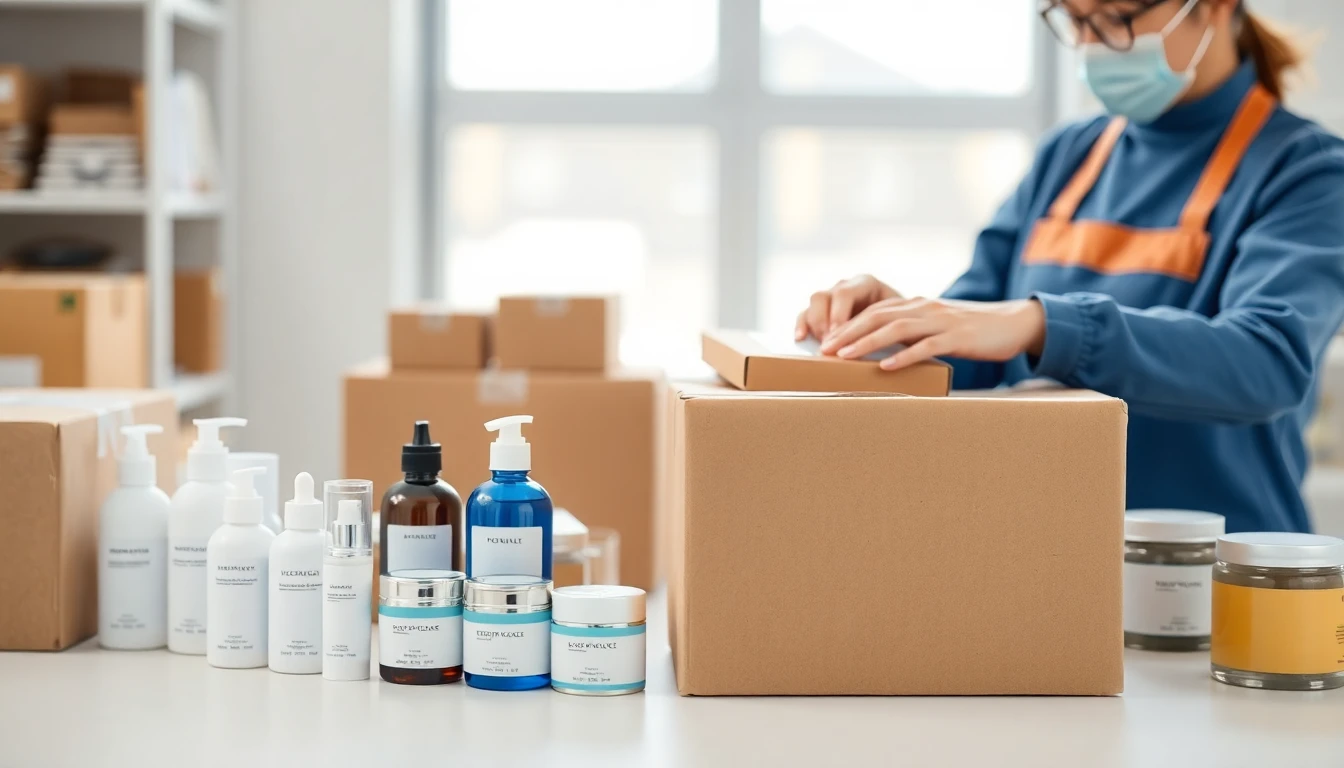
Cosmetics are among the most unforgiving products to ship. A serum in a glass bottle, a pressed powder that shatters if it is jarred, a cream jar that leaks if it tips, each one is fragile, brand-defining, and expensive to replace. For beauty brands selling direct to consumers, the protective packaging that gets a product from warehouse to doorstep is not a detail. It is part of the product experience.
The right protective packaging for cosmetics protects the item in transit, prevents leaks and breakage, and delivers the unboxing that beauty customers expect. This guide covers how cosmetic packaging works in layers, which packaging materials protect beauty products best, and how to ship different cosmetic products without the damage claims that erode margin and reputation.
Why Cosmetics Need Protective Packaging
Beauty products fail in transit for reasons ordinary goods do not. Glass bottles and plastic jars crack under impact. Pressed powders and palettes crumble from vibration. Liquids and creams leak when a cap loosens or a container tips. And because many consumers judge a beauty brand by the moment they open the box, even a scuffed carton undermines the premium image the cosmetic industry sells.
Protective packaging for cosmetics addresses all of this at once. It immobilizes each product so it cannot move, separates items so they cannot knock together, and cushions the whole shipment against the drops and vibration of the parcel network. Done well, protective packaging keeps product integrity intact, protects shelf life by preventing damage that exposes a formula, and turns delivery into a brand asset instead of a risk.
Understanding Cosmetic Packaging Layers
Cosmetic packaging works in three layers, and it helps to be clear about which one this guide addresses. Primary packaging is the container that holds the formula, the glass bottle, plastic jar, or tube. Secondary packaging is the retail carton or beauty packaging that presents the product on a shelf. Transit packaging is the protective packaging that gets the product safely to the customer.
AIRFILL focuses on that third layer: the protective transit packaging that beauty brands rely on for e-commerce and wholesale shipments. Primary and secondary packaging make the product look right on the shelf; protective transit packaging makes sure it arrives intact. For direct-to-consumer cosmetic brands, that transit layer is where most shipping damage is won or lost, because a beautiful primary package still breaks if the outer packaging lets it move.
Choosing Protective Packaging Materials for Cosmetics
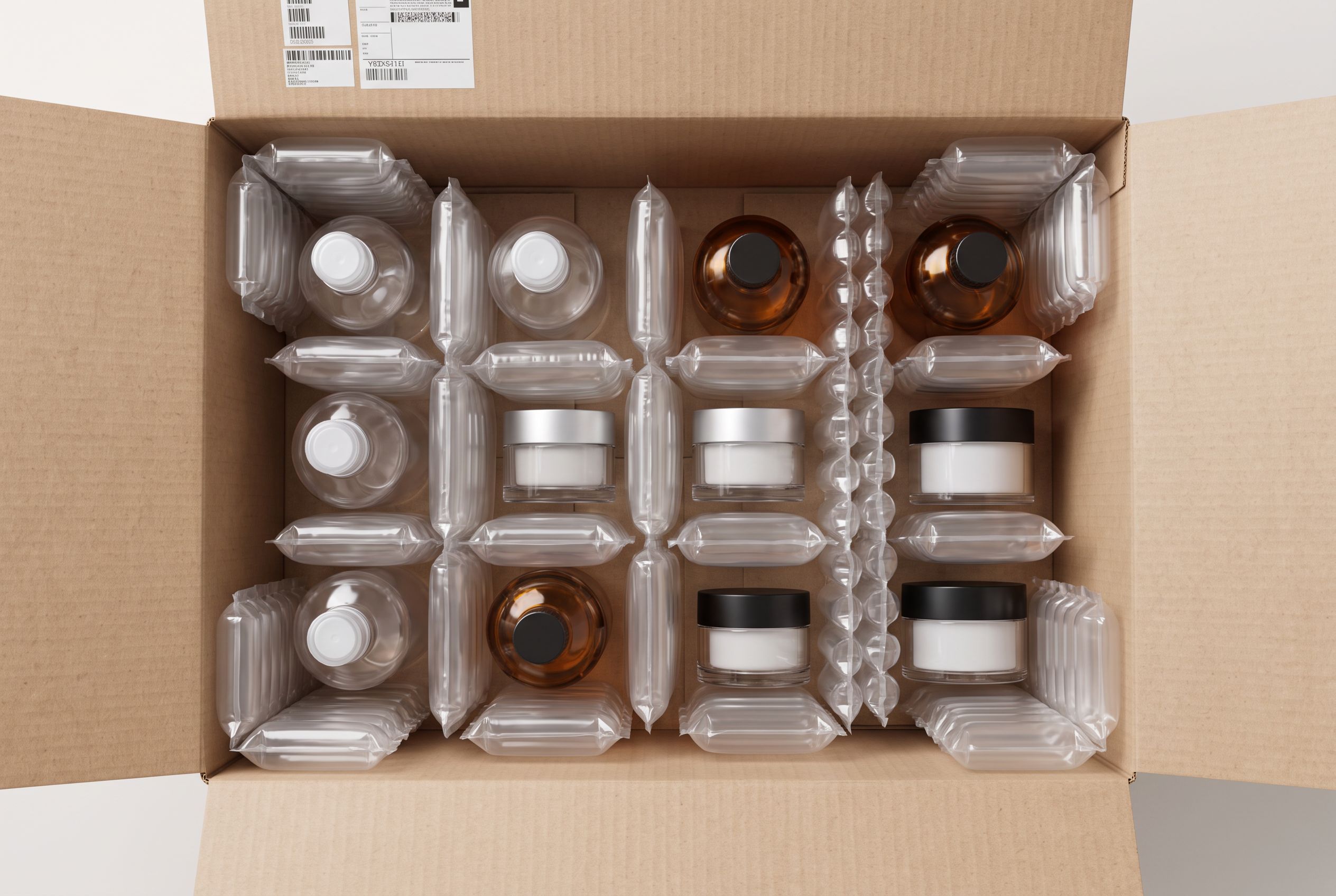
The right protective packaging for cosmetics pairs a sturdy outer box with internal protection matched to fragile beauty products. A corrugated box provides the structure, and on-demand air pillows and air cushions provide the cushioning that keeps each cosmetic product from moving.
Air pillows are ideal cosmetic packaging material for filling the voids around bottles and jars so they cannot shift or collide. Air cushions add firmer protection for heavier sets and glass items that need block-and-brace support. Because both inflate from flat film on demand, they give beauty brands packaging flexibility, one material adapts to a serum bottle, a palette, or a full gift set, without stocking a dozen fillers. Compared with bubble wrap, which is slow to apply and bulky to store, air-filled protection is faster on the line and lighter in the parcel. Our guide to air pillow packaging for fragile items details best practices for exactly these products, and what void fill packaging is explains how to eliminate the movement that breaks cosmetics.
For an extra layer of security on glass, add a protective wrap around each bottle before void fill, so the glass never contacts a hard surface. Then fill every remaining space so the products arrive exactly as packed.
How to Ship Different Cosmetic Products
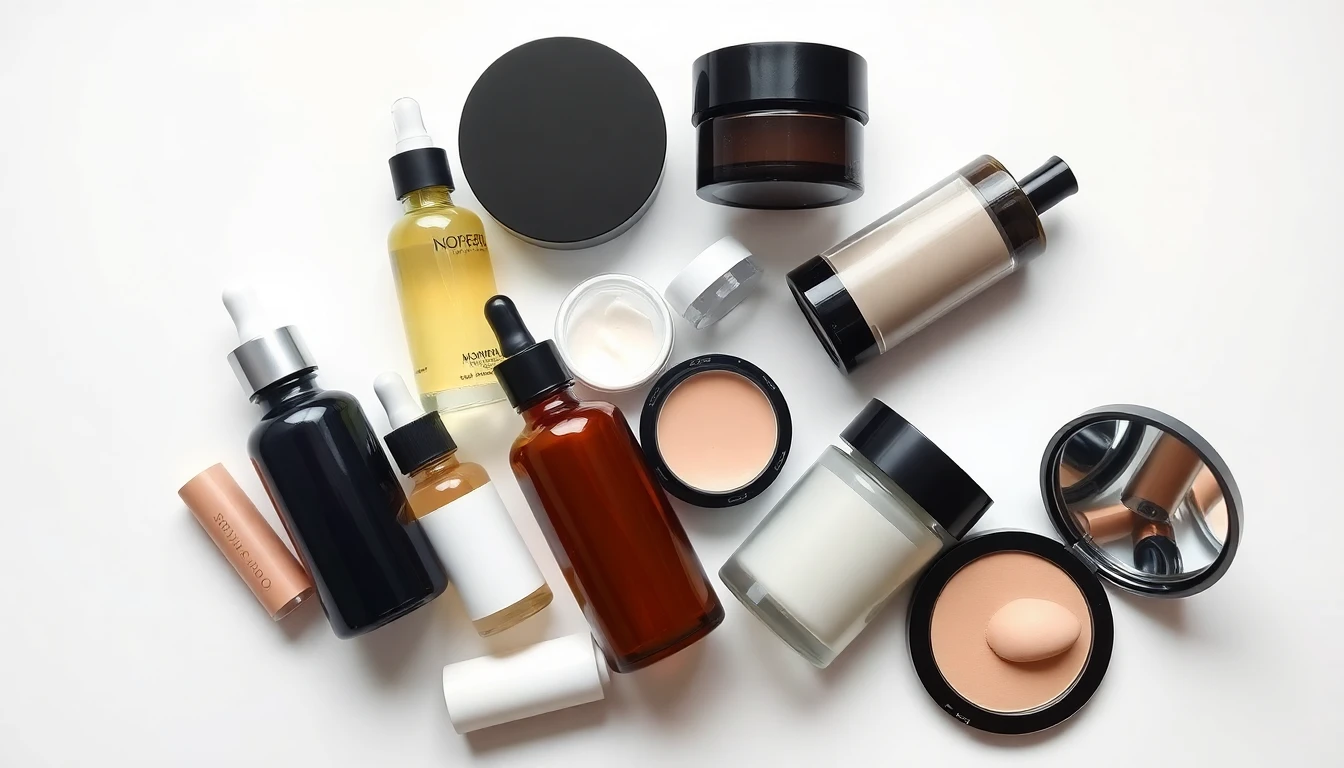
Different beauty products need different packaging options, and matching the two is what makes cosmetic shipping reliable.
Glass bottles and serums ship best individually wrapped, then set in a right-sized box with air pillow void fill surrounding each bottle so glass never touches glass. Pressed powders and palettes are vibration-sensitive; snug air cushioning that prevents any movement protects the pressed cake from cracking. Cream jars and plastic jars need cushioning that keeps them upright and immobilized so lids cannot loosen and leak. Multi-item sets and gift boxes call for compartmentalized protection, using void fill to separate each cosmetic product so a full set arrives as a curated whole. Even bath salts and loose products ship better when the container is braced so seams cannot split.
Across every beauty product, the method is consistent: a strong outer box, a protective layer on fragile glass, and enough air-filled void fill that no cosmetic product can move in transit.
Matching Packaging to Cosmetic Containers and Sizes
Cosmetic products arrive in a wide range of containers and sizes, and protective packaging has to flex to fit them all. A single beauty order might combine a tall glass serum bottle, a small squat cream jar, a flat palette, and a set of sample-size products, each a different shape and weight. Packaging that works for one size fails for another, which is why beauty brands need packaging materials that adapt rather than a fixed set of fillers.
Air-filled protective packaging handles this range naturally. The same on-demand packaging materials protect large glass containers, small plastic containers, and everything between, because the void fill conforms to whatever products and sizes are in the box. That flexibility matters as a catalog grows: brands add new cosmetic products and new container sizes constantly, and packaging that adapts means no re-tooling every time a new product launches.
Container type also shapes the packaging approach. Glass containers need the most protection and benefit from an added wrap before void fill. Rigid plastic containers are more forgiving but still need immobilizing so lids stay sealed. Flexible goods like sachets and sample products ship well when grouped and cushioned so they cannot tear. Across all of these products, right-sized boxes in a few standard sizes, paired with adaptive void fill, cover the full catalog without a warehouse of specialized packaging materials.
Sustainability threads through every choice. Recyclable and recycled packaging materials let beauty brands protect products and honor the environmental promises consumers increasingly expect. Offering cosmetics in protective packaging that is both effective and recyclable is fast becoming standard in the beauty market, and the brands making that shift now are the ones customers reward with repeat orders.
Sustainable and Right-Sized Cosmetics Packaging
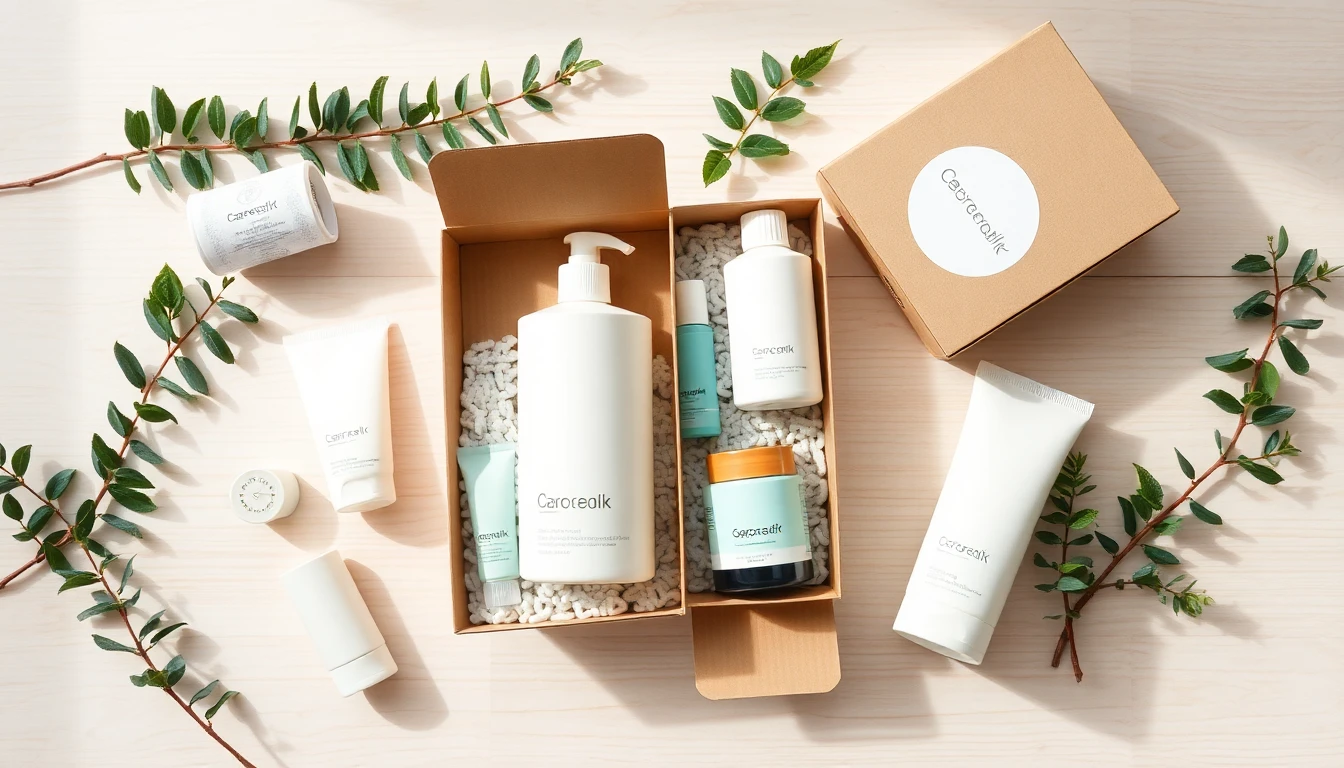
Sustainability matters to beauty customers more than in almost any category, so sustainable cosmetics packaging is now a brand expectation, not a bonus. The good news is that protective packaging can support it directly.
Right-sizing the box reduces the material each shipment uses and lowers dimensional weight, so brands ship cosmetics without paying to ship air. Choosing packaging materials with real credentials, such as curbside-recyclable corrugated and films available in BPA-free options, lets beauty brands meet sustainability commitments without risking product protection. AIRFILL's EcoGuard line and recyclable void fill give cosmetic brands high quality packaging products that protect the item and the brand's environmental promise at once. For more on this, see our guide to sustainable air-filled packaging.
Right-sized, sustainable protective packaging also improves the unboxing. A snug, cleanly protected parcel signals quality the moment a customer opens it, reinforcing the premium positioning that beauty products depend on.
Frequently Asked Questions
What is the best protective packaging for cosmetics?
A right-sized corrugated box with on-demand air pillow and air cushion void fill, plus a protective wrap on glass items, is the most versatile option. It immobilizes fragile beauty products, separates them so they cannot collide, and cushions the shipment against impact.
How do you ship glass cosmetic bottles without breakage?
Wrap each glass bottle, place it in a right-sized box so glass never contacts glass, and fill every void with air pillows so nothing can shift. Immobilizing the bottles is what prevents the movement that causes breakage.
Is bubble wrap good for shipping cosmetics?
Bubble wrap can protect individual items but is slow to apply and bulky to store. On-demand air pillows and air cushions protect fragile cosmetics as well or better, fill voids faster, and take far less warehouse space.
How can cosmetic packaging be more sustainable?
Right-size the box to reduce material and dimensional weight, and choose recyclable protective packaging such as curbside-recyclable corrugated and BPA-free films, so beauty products ship safely with a smaller environmental footprint.
Ship Your Cosmetics Safely With AIRFILL
Beauty products demand protective packaging that matches their fragility and their brand. Glass, powders, and leak-prone jars need protection engineered for the product, delivered with the unboxing customers expect, and produced efficiently enough to control cost across every shipment.
AIRFILL Technologies helps cosmetic and beauty brands do exactly that. We match air pillow, air cushion, and EcoGuard packaging to your specific products and volume, so you cut damage claims and shipping cost while protecting the brand experience. To ship your cosmetics safely and sustainably, talk to an AIRFILL packaging specialist for a free consultation. We will review how you pack your beauty products today and show you where protection, sustainability, and cost can all improve.
Request a free consultation to protect your cosmetics and your brand in transit.