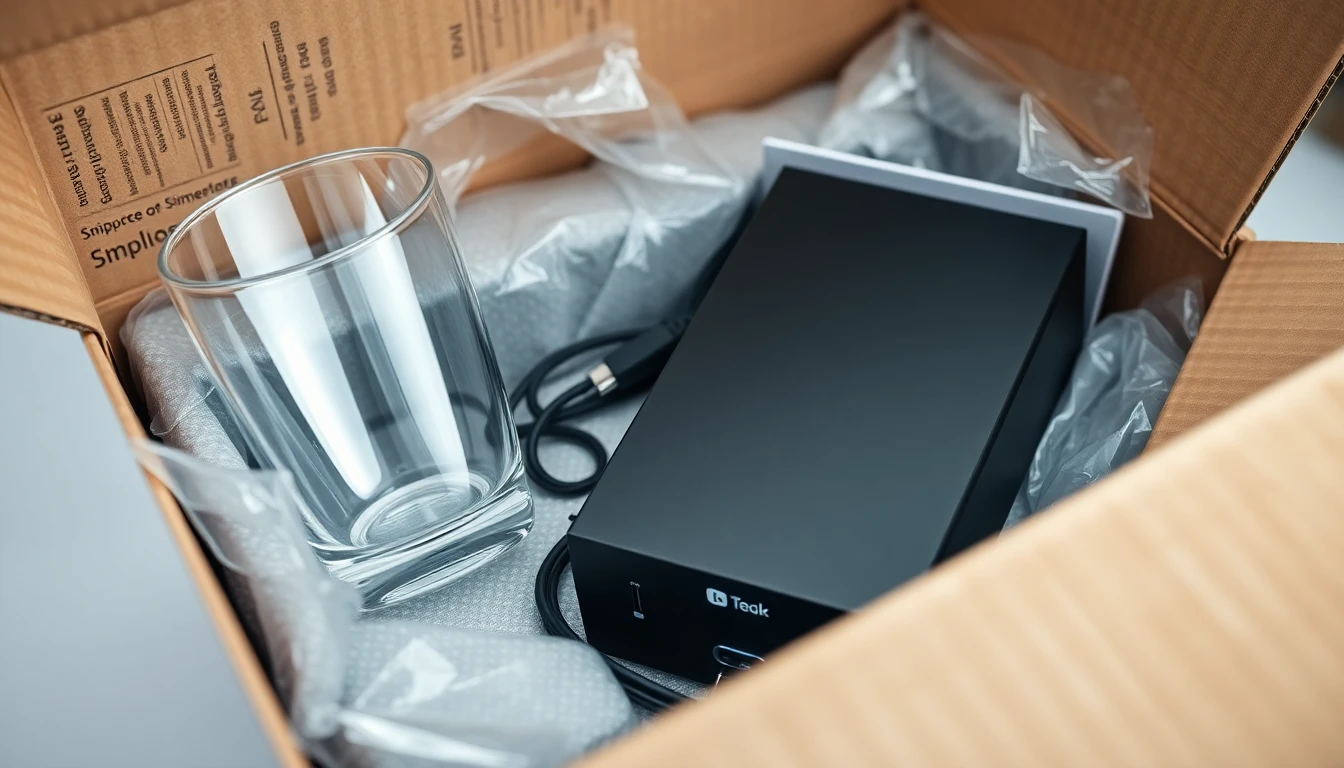
Damaged-in-transit is the most expensive phrase in shipping. A single broken order costs you the product, the return shipping, the replacement, and often the customer. Yet most breakage isn't bad luck — it's fragile item packaging that wasn't built for the journey.
This guide covers how to package fragile items the right way: choosing the cardboard box, selecting the right cushioning material, packing step by step, and knowing when to double box. The goal is simple — every fragile shipment arrives intact, your damage rate drops, and your customers stop opening broken boxes.
What Counts as a Fragile Item?
Fragile items are any products that can crack, dent, shatter, or scratch under the normal shocks of shipping — drops, vibration, and compression. Glassware, ceramics, electronics, glass bottles, instruments, and artwork are obviously fragile, but so are many products with delicate finishes or sensitive internal components.
A good rule: if an item would be damaged by a one-meter drop onto a hard floor, it should be considered fragile and packaged accordingly. High value and sensitive items deserve the same caution even when they look sturdy — the cost of under-protecting them is simply too high. Knowing what's truly fragile is the first step in choosing packaging materials that match the risk.
Start With the Right Box
Protection starts with the outer box. A sturdy box in the right size does half the work; a weak or oversized one undermines everything inside it. Shipping boxes come in various sizes, so match the box to the product rather than forcing the product into whatever box is on hand.
- Use new, double walled boxes for fragile goods. Avoid reusing old boxes — corrugated cardboard loses up to half its strength after one trip, and a tired box crushes under stacking pressure in transit.
- Match the box to the product. Too large and the item shifts inside the box; too small and there's no room for protective packaging. The right box leaves a consistent gap on every side for cushioning material.
- Reinforce the seams with strong packing tape in an H-pattern across every edge, top and bottom. Cheap tape that peels is a common cause of failed fragile shipments.
The box is the shell. What goes inside the box determines whether your fragile package actually survives the shipping method you choose.
Choose the Right Cushioning Material
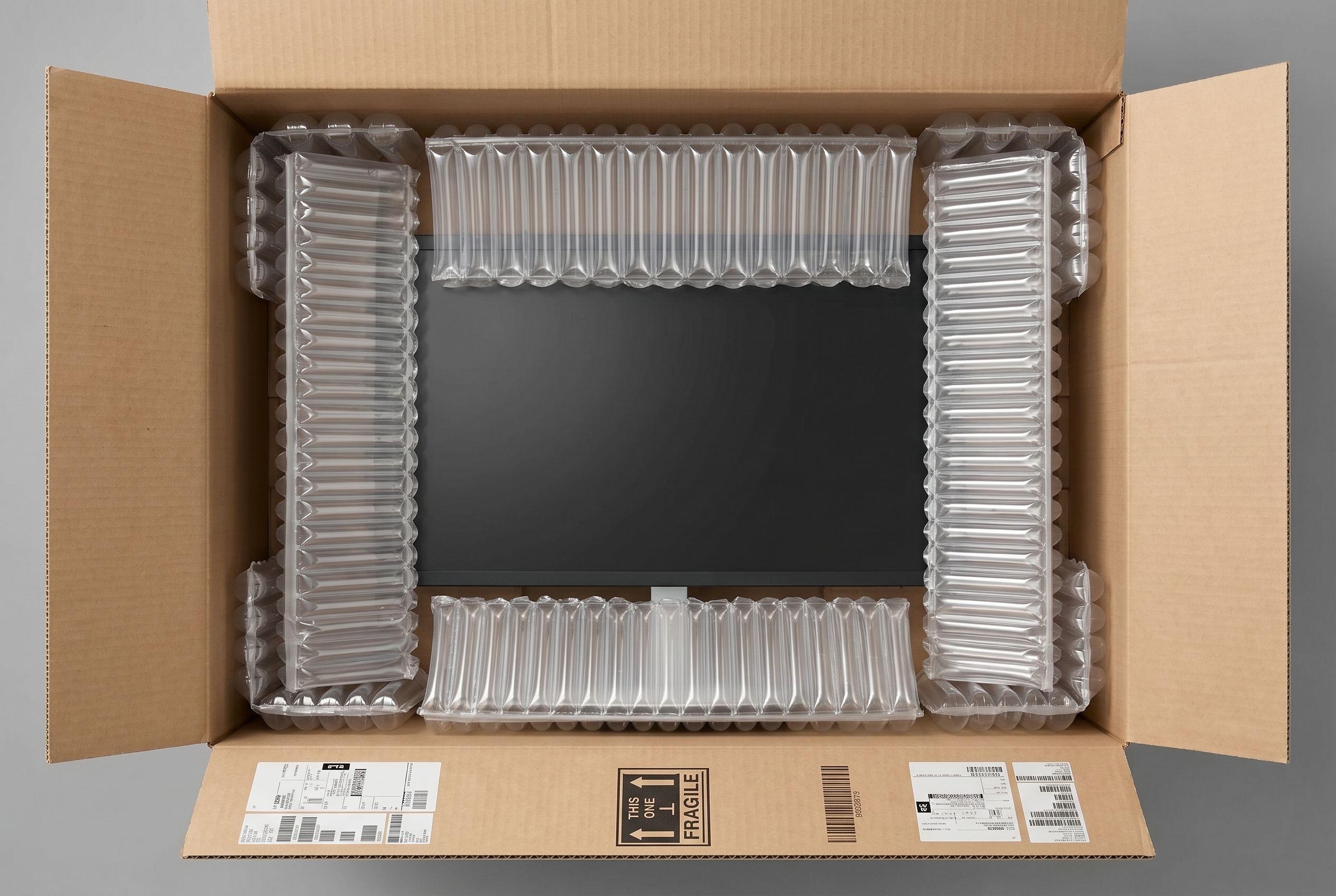
Cushioning material does two jobs: it immobilizes the product so it can't move, and it provides the shock absorption that protects it. The available packing materials are not equal, and the right packing materials make the difference between safe shipping and a damage claim.
- Air pillows and air cushions — lightweight inflated packaging that fills void space and absorbs shocks while adding almost no weight to the parcel. They conform around fragile products and are the cleanest, most efficient protective packaging for most fragile items. See our air pillow packaging guide and the full air cushion packaging guide.
- Bubble wrap — useful for wrapping individual items, but bubble wrap is slow to apply and bulky to store. Compare the real performance in air pillows vs. bubble wrap.
- Packing peanuts and loose fill — fill space but let heavy items settle to the bottom, and they're messy. See air pillows vs. packing peanuts.
- Foam inserts and corrugated inserts — custom-cut protective materials that hold an item in a fixed position; foam and corrugated inserts are ideal for irregular shapes and high value goods.
- Tissue paper and packing paper — paper is a good inner wrap for surfaces and finishes, used with a sturdier cushioning material around it.
For most operations, air-filled void fill plus the right inner wrap delivers the best shock absorption per dollar and per cubic inch — and AIRFILL's air pillows are curbside-recyclable through our eco friendly EcoGuard line.
How to Pack Fragile Items Step by Step
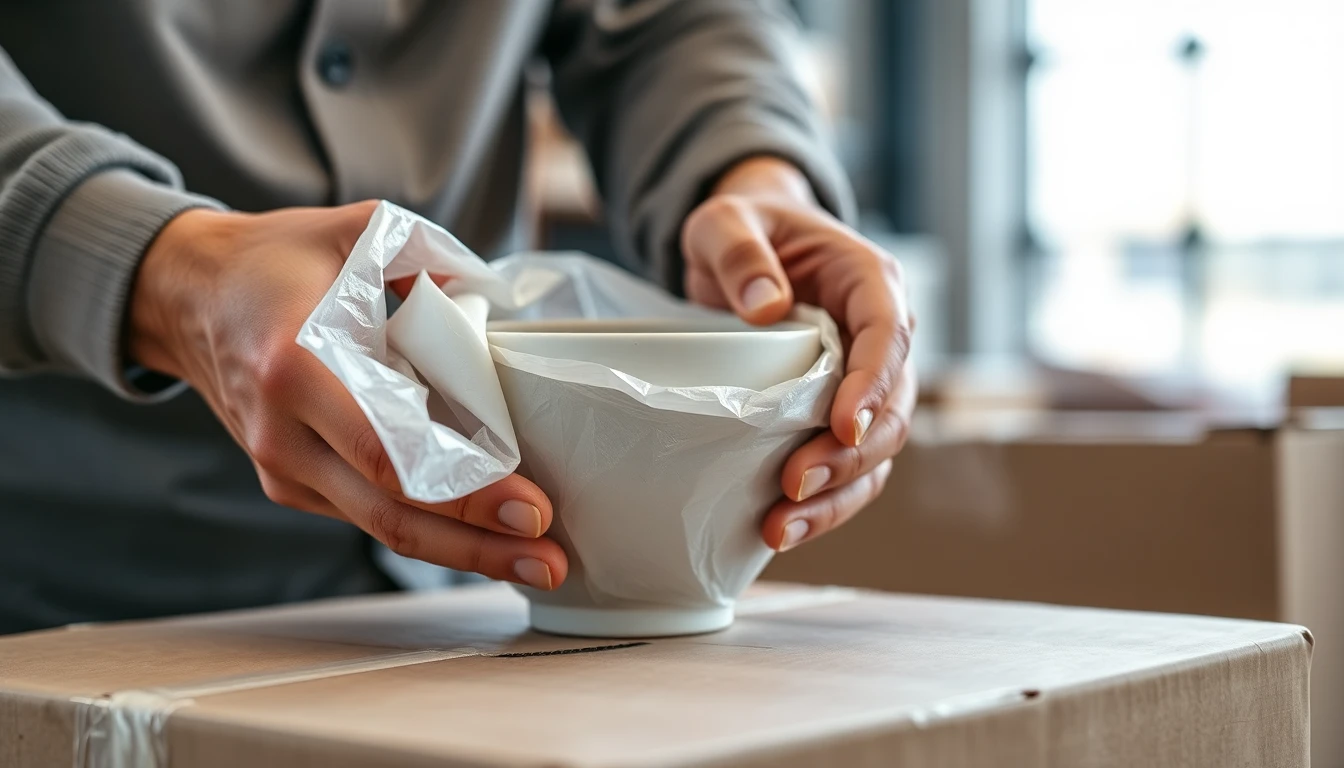
A reliable method for packing fragile items, in order:
- Wrap each item individually. Use bubble wrap or tissue paper so surfaces can't scratch and shock can't transfer between items. Wrap each fragile item separately — never let two pieces of glassware touch.
- Line the bottom. Add a base layer of cushioning material so the product never rests against the cardboard.
- Center the item. Place it in the middle of the box with at least two inches of clearance on every side for adequate protection.
- Fill all empty space. Pack air pillows or void fill into the gaps around and above the item until nothing moves. Empty space inside the box is where damage happens — eliminate it.
- Add a top layer of cushioning for an extra layer of protection before closing.
- Shake test. Seal the box and give it a gentle shake. If you feel movement, open it and add more material until the contents are secure.
Done right, this routine turns fragile products into shipments that handle the road, the belt, and the delivery truck without a scratch.
Double Boxing for High-Value and Delicate Items
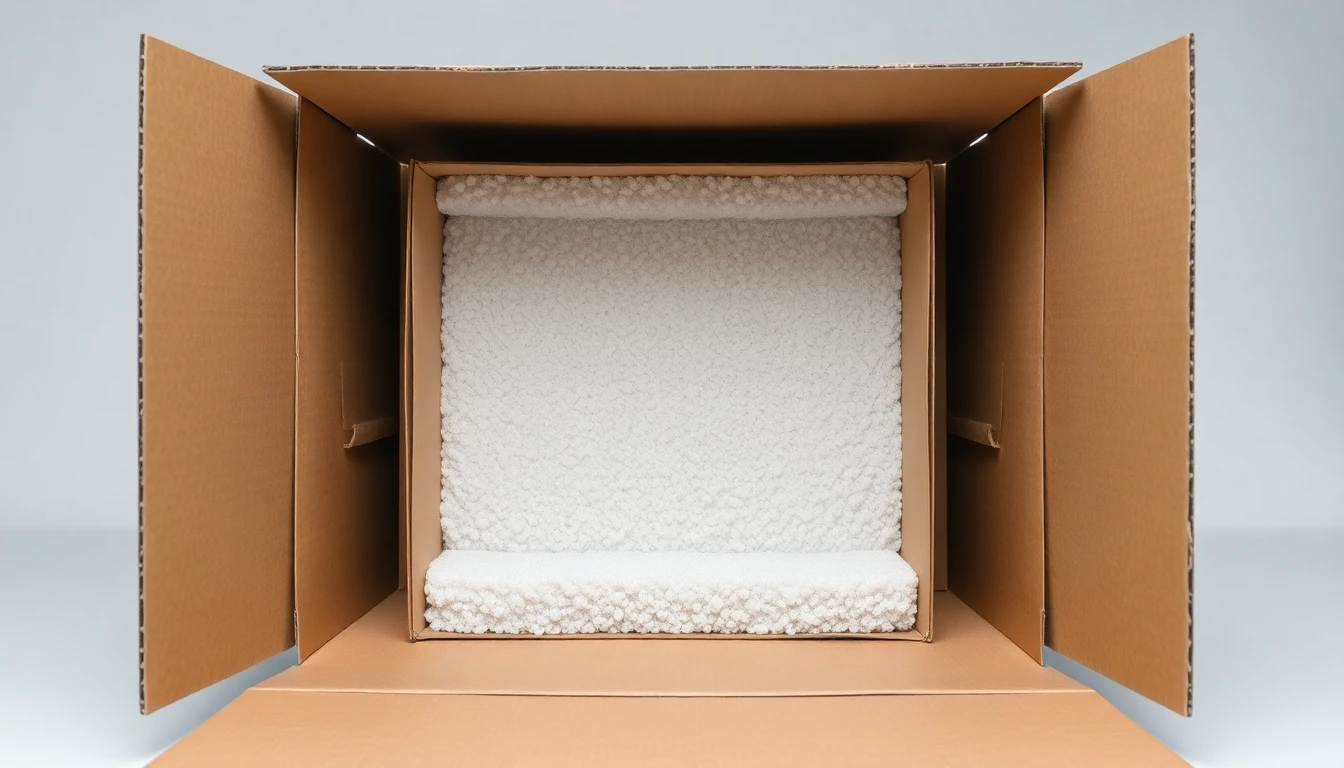
For especially delicate items, high value goods, or anything that absolutely cannot break, double boxing is the gold standard. Pack the item in an inner box with cushioning, then place that box inside a larger box with two to three inches of air pillows or cushioning material filling the gap on every side.
The outer box and the cushioned gap absorb impacts before they ever reach the inner package — a second line of defense and extra protection that turns most drops into non-events. It's the method to reach for whenever the replacement cost justifies a little extra care.
Corrugated Inserts and Custom Solutions
When a product has irregular shapes or ships in volume, custom corrugated inserts and molded protective solutions hold each unit in a fixed position. These are worth the investment for any e commerce business making repeat shipments of the same fragile product, where consistency matters as much as protection and a tailored insert beats hand-packing every order.
Key Considerations Before You Ship
A few final considerations separate a safe shipment from a claim:
- Use a clear shipping label and a Fragile mark. Add a "Fragile" label and handling arrows so the parcel gets special handling along the route.
- Electronics need ESD care. To prevent electrostatic discharge, wrap sensitive electronics in anti-static material — ordinary plastic can build static electricity that damages components.
- Consider shipping insurance for high value items, and keep a photo record of proper packing in case you need it.
- Right-size the outer box so you're not paying dimensional weight to ship empty space.
Common Mistakes to Avoid
- Reusing old, weakened cardboard boxes.
- Leaving gaps the product can rattle in.
- Skipping the individual wrap so items knock together.
- Choosing packing materials by price alone — a few cents saved per box is dwarfed by one damage claim. If your damage rate is climbing, the packaging is usually the cause; see how to reduce shipping damage rates.
The AIRFILL Approach to Handling Fragile Items
AIRFILL designs air pillow and air cushion packaging built specifically for shipping fragile items — lightweight, conforming, and curbside-recyclable through our EcoGuard line. We help operations match the right cushioning, box, and method to what they actually ship, so damage claims fall and customer satisfaction rises.
If breakage is costing you more than it should, the next step is simple: talk to a packaging specialist for a free consultation, and we'll review how your fragile items are packed and where protection can improve — no commitment required.
Frequently Asked Questions
What is the best packaging for fragile items?
A new double-walled cardboard box, each item individually wrapped in bubble wrap or tissue paper, and air pillows or air cushions filling all empty space. Double boxing adds protection for high value or especially delicate items.
How do I stop fragile items from breaking in shipping?
Eliminate movement and absorb shock: center the item, leave two inches of clearance on every side, and fill that space with cushioning so nothing shifts inside the box. Most breakage comes from empty space and weak boxes.
Are air pillows good for shipping fragile items?
Yes. Air pillows fill void space and absorb shocks while adding almost no weight, making them efficient protective packaging for most fragile products when paired with an individual inner wrap.