
Medical device packaging carries a heavier burden than almost any other category. It has to protect a high value product, survive distribution, maintain sterility where sterility is required, satisfy regulators, and arrive in a condition that lets clinical staff open it safely at the point of use.
It also has to do all of that across a supply chain that treats the box like any other box.
This guide covers how packaging for medical devices actually works: the layers involved, the standards that govern the sterile barrier, what packaging validation proves, and where transit damage occurs once the device leaves the manufacturing site.
Why Packaging for Medical Devices Is Different
Three requirements apply here that do not apply to general goods.
The packaging is part of the device. For a sterile product, the packaging maintains the condition that makes the device usable. If the package fails, the device fails, regardless of whether the device itself is damaged. Regulators treat the packaging system accordingly.
Patient safety is the outcome being protected. A compromised package can mean a delayed procedure at best. The consequences sit in a different category from a damaged consumer product.
The requirements are documented and audited. Design, materials, sealing, validation and labeling are all subject to regulatory requirements, and the documentation has to demonstrate compliance rather than assert it.
The result is that medical device packaging is engineered and qualified, not simply specified. That is true of the sterile barrier in particular, and it is why the primary packaging for a sterile device is developed alongside the device itself rather than chosen from a catalogue.
The Three Layers of Medical Device Packaging

It helps to separate the packaging system into layers, because different organisations are responsible for each and the standards that apply are different.
Primary packaging. The layer in direct contact with the device. For sterile products this is the sterile barrier system, typically a pouch, a sealed tray with a peel lid, or a form fill seal package. It maintains sterility and allows aseptic presentation when it is opened.
Secondary packaging. The carton that holds the primary package, its instructions for use and its labeling. It protects the primary package, carries most of the product information, and organises units for distribution.
Tertiary packaging. The shipping container that carries secondary packages through distribution. This is the transit layer, and it is where handling damage, vibration and drop impact are resisted.
Most of the regulatory attention falls on the primary layer. Most of the physical damage happens to the tertiary layer. Understanding that split is the key to designing a packaging system that is both compliant and robust.
Sterile Barrier Systems and the Standards That Govern Them
For sterile medical equipment, the sterile barrier system is the critical component.
ISO 11607 is the governing standard, covering the design, materials, validation and stability of packaging for terminally sterilised devices. It sets requirements for the barrier's ability to maintain sterility across its shelf life and through distribution, and for the evidence a manufacturer must hold.
Materials are chosen for the sterilization method. A package that will be sterilised by ethylene oxide has to allow EO sterilization gas in and out, which drives a porous material on at least one face. Radiation sterilization allows different material choices. Steam imposes its own constraints. The sterilization method and the packaging materials are a single design decision, not two.
Sealing is the point of failure. Seal strength and seal integrity are the properties that decide whether a sterile barrier performs. Too weak and it opens in distribution. Too strong and it tears the material on opening, which destroys aseptic presentation and can shed particulate onto the device. Sealing processes are validated and monitored in production for exactly this reason.
Aseptic presentation matters at the end. The package must open in a way that lets a clinician remove the device without contaminating it. A barrier that holds perfectly and cannot be opened cleanly has still failed.
None of this is transit packaging. It is a regulated manufacturing discipline, and it belongs with the device manufacturer and its packaging engineers.
Packaging Validation: What It Actually Proves
Packaging validation demonstrates that the packaging system performs across its life, and it has two halves.
Performance testing subjects packaged product to the hazards of distribution, including drop, compression, vibration and atmospheric conditioning, then checks that the sterile barrier is still intact. This is where transit packaging and sterile packaging meet: the shipper is part of what gets tested, because it determines how much of the hazard reaches the primary package. The same package testing standards used across distribution packaging apply here, run to a protocol.
Stability testing demonstrates that the package still performs at the end of its claimed shelf life, using real time ageing or an accelerated equivalent.
Validation is repeated when something material changes: the device, the materials, the sealing process, the sterilization method, or the distribution route. Changes that look purely logistical, such as switching to a different shipper or a different carrier mode, can invalidate assumptions that the original testing was built on.
Temperature, Cold Chain and Time
Not every medical device is temperature sensitive, but a growing share of the products moving through healthcare distribution are, particularly combination products and anything sharing a supply chain with pharmaceuticals and medicines.
Where temperature control is required, cold chain packaging is a specialist discipline of its own: qualified shippers, phase change materials, monitoring, and documented time out of refrigeration. It carries its own validation requirements and its own regulatory scrutiny, and it is separate from mechanical protection.
The practical point for anyone designing a distribution process is that temperature control and impact protection are different problems solved by different components. A qualified thermal shipper is not automatically a well protected one, and cushioning inside a thermal shipper has to be chosen so that it does not compromise the thermal performance.
For more on the overlap between device and drug distribution requirements, see our guide to pharmaceutical packaging solutions.
Transit Protection: Where Most Damage Actually Happens
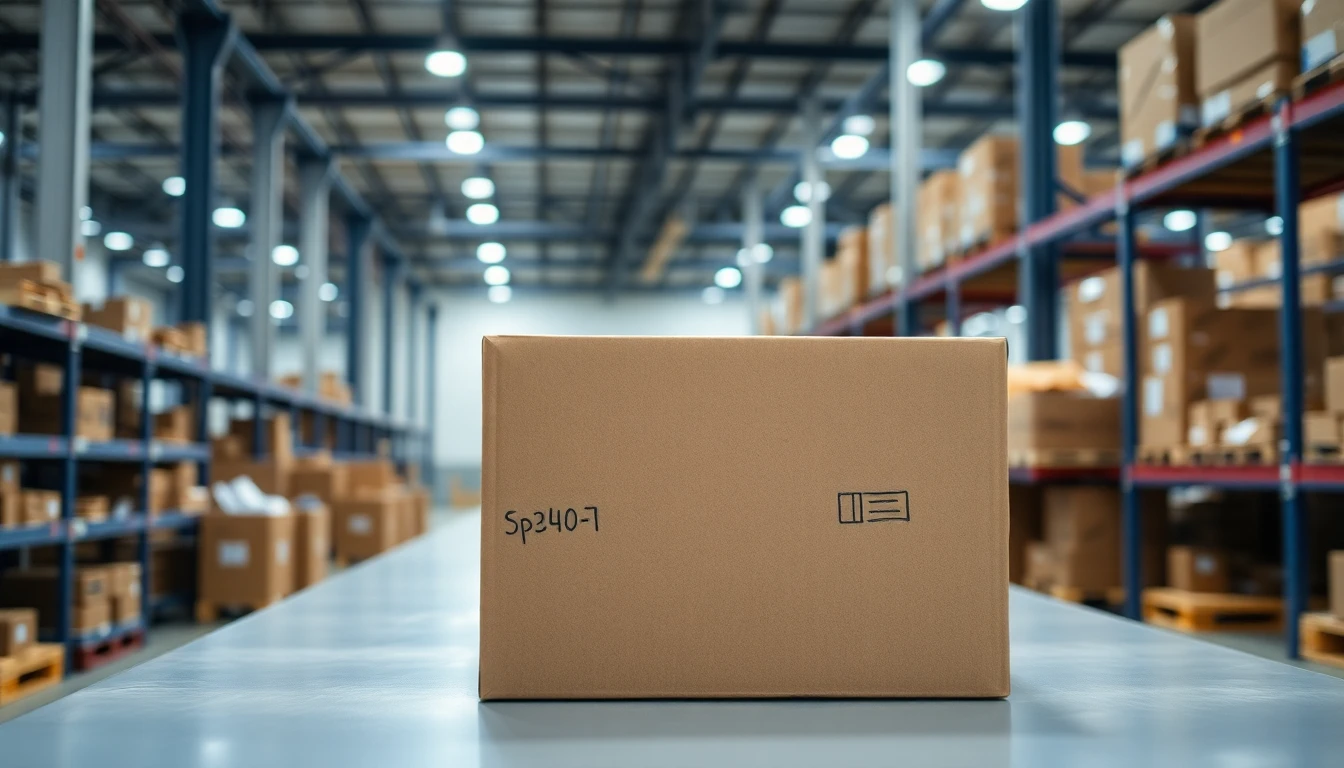
Here is the part that gets least attention and causes most of the losses.
A validated sterile barrier is fragile in ordinary mechanical terms. A pouch is a thin film. A sealed tray has a lid that peels by design. Neither is built to resist a drop from conveyor height or the compression of a stacked pallet. That job belongs to the secondary and tertiary packaging around it.
When a high value device arrives unusable, the cause is usually not a failure of the sterile barrier design. It is that the transit packaging let enough energy through to breach it. Common patterns:
Movement inside the shipper. A device that shifts in transit impacts the walls of its own carton repeatedly. Free space is the enemy.
Point loading. Contents pressed against an edge or a corner concentrate force exactly where the package is weakest.
Stacking compression. Cartons near the bottom of a pallet carry sustained load for the duration of the journey, not a momentary one.
Vibration. Hours of low level vibration in transport can abrade a seal or work a lid loose without leaving any external mark on the box. This is the failure mode that arrives looking perfectly fine.
Handling. Every transfer between distribution center, carrier and hospital is a handling event, and the number of them is larger than most people assume.
Choosing Protective Packaging for the Transit Layer
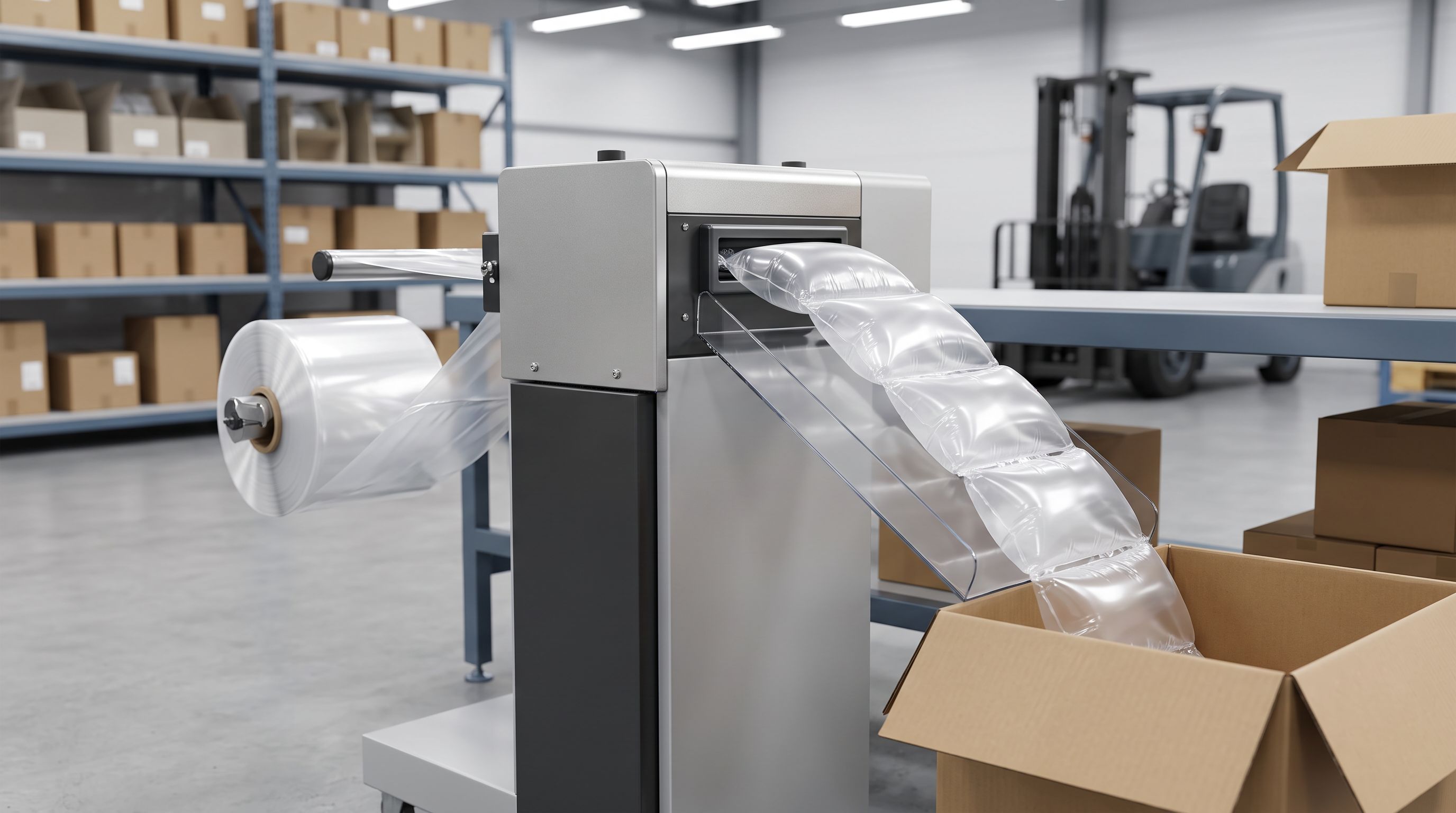
The transit layer has a narrow job: immobilise the contents, absorb shock, and spread load away from the primary package.
Immobilise first. Most transit damage is movement damage. Void fill that removes free space inside the carton addresses the largest single cause before any cushioning performance is considered. Our guide to void fill packaging covers the options and how they differ.
Choose materials that stay clean. Loose fill and materials that shed particulate are a poor fit for anything opened in a clinical environment. Packaging that does not fragment is worth more here than it is elsewhere.
Consider weight and space. Medical distribution often means frequent small shipments to many locations. Light cushioning that is created at the packing bench rather than stored in bulk reduces both the shipping weight and the warehouse space consumed, which matters when a distribution center is holding materials for many product lines. Air pillow packaging is used in this layer for that reason.
Keep the method consistent. A packing standard that any trained member of staff can execute identically is worth more than a sophisticated one that depends on judgement. Consistency is what validation assumes.
Test the whole system. Validate the shipper with the actual product inside it, not the components separately.
To be explicit about scope: AIRFILL supplies protective packaging for the transit layer. Sterile barrier systems, sterilization, packaging validation and cold chain qualification are specialist disciplines handled by device manufacturers and their packaging engineers. The two have to work together, and knowing which is which saves a great deal of confusion.
Challenges and Drivers Shaping Medical Device Packaging
Several forces are changing what the industry expects from packaging systems, and they pull in different directions.
Regulatory pressure keeps rising. Requirements around traceability, labeling and documented regulatory compliance continue to tighten. Packaging that was compliant a decade ago may not meet the evidence standard now required.
Devices are getting more complex. Electronics, batteries and combination products bring challenges that a simple sterile pouch was never designed to address, and they frequently share distribution with pharmaceuticals and medicines that carry temperature requirements of their own.
Distribution is more fragmented. Direct delivery to clinics, surgical centers and patients at home means more shipments, more handling and less control over the final leg than a single bulk delivery to a hospital storeroom.
Cost pressure is constant. Healthcare purchasing pushes on price while the quality and reliability required of the packaging stays fixed. Reducing material without reducing protection is the only acceptable direction.
Sustainability expectations are growing. Reducing packaging waste matters to healthcare customers, but it cannot come at the cost of sterility or protection, which limits which layers can realistically change. The transit layer is usually where there is room to move.
These drivers explain why so much attention now falls on the shipping and storage layers rather than the sterile barrier. The barrier is already engineered and validated. The packaging around it is often where both the risk and the opportunity sit.
Storage, Delivery and the Final Leg
A device spends far more of its life in storage and distribution than in transit between two docks, and each stage sets its own requirements.
Warehouse storage. Cartons need to be stored within their rated stacking load, away from moisture, and in conditions that respect any temperature requirements the goods carry. Trays and pouches deform under sustained load in a way that is not always visible from outside the shipping carton.
Order picking and consolidation. Devices are frequently picked in small quantities and consolidated with other goods, so the shipping carton has to protect a mixed load rather than a uniform one. Void fill is doing real work here, not just filling space.
Delivery to the point of use. The final delivery may be to a hospital loading bay, a clinic reception or a patient's home. Each involves different handling and different people, and none of them know what is inside. Clear handling marks and packaging that is obviously robust do more than instructions.
Receipt and inspection. Staff receiving medical equipment need to be able to identify damage quickly. Packaging that shows external evidence of a serious impact is more useful than packaging that hides it, because a device with a compromised barrier that looks fine is the worst outcome available.
Returns and reverse flows. Devices sent back for servicing or recall need protection on the return journey too, and the original packaging is often long gone. Supplying a return solution is worth considering for high value equipment.
Ensuring protection across all of these stages is a systems problem rather than a materials problem. The packaging has to be reliable in the hands of everyone who touches it, not only in a laboratory.
Handling, Labeling and Traceability
A few requirements that sit around the packaging itself.
Labeling must carry device identification, lot or serial information, expiry where it applies, and the symbols that communicate sterility, single use and handling requirements. Labels have to survive the distribution environment and remain legible at the point of use.
Traceability depends on the label surviving and on the documentation matching the physical goods. A device that cannot be traced to a lot is a problem regardless of its condition.
Handling marks on the shipper communicate orientation and care to people who will never see the product inside.
Proper handling in the warehouse matters as much as the packaging. Cartons stacked beyond their rated load, stored against a damp wall, or handled without care will defeat a well designed package.
Frequently Asked Questions
What is a sterile barrier system?
The primary packaging that maintains a device's sterility until the point of use, typically a sealed pouch, tray with peel lid, or form fill seal package. It is governed by ISO 11607 and is validated as part of the device.
Does AIRFILL supply sterile packaging?
No. AIRFILL supplies protective packaging for the secondary and tertiary layers, the packaging that protects devices through distribution. Sterile barrier systems and their validation are handled by device manufacturers and specialist suppliers.
What causes most medical device shipping damage?
Movement inside the shipping carton, followed by compression from stacking and vibration in transport. Most of it is preventable by immobilising the contents and sizing the carton correctly.
Does changing my shipping packaging require revalidation?
Often yes. Packaging validation is built on assumptions about the distribution environment and the protection around the primary package. Changing the shipper, the cushioning or the transport mode can invalidate those assumptions, so check before you change.
How should medical devices be packed for hospital delivery?
Immobilise the primary package so it cannot move, protect corners and edges, avoid materials that shed particulate, size the carton closely to the contents, and keep the method identical across every operator packing the product.
Talk to a Packaging Specialist
The sterile barrier is engineered. The shipper that protects it frequently is not, and that is where high value devices are lost between the distribution center and the point of care.
AIRFILL Technologies works with healthcare distributors and device businesses on the transit layer: protective packaging that immobilises high value products, reduces damage in handling, and is consistent enough to pack the same way every time.
Request a free consultation and talk to a packaging specialist about protecting your devices in distribution.