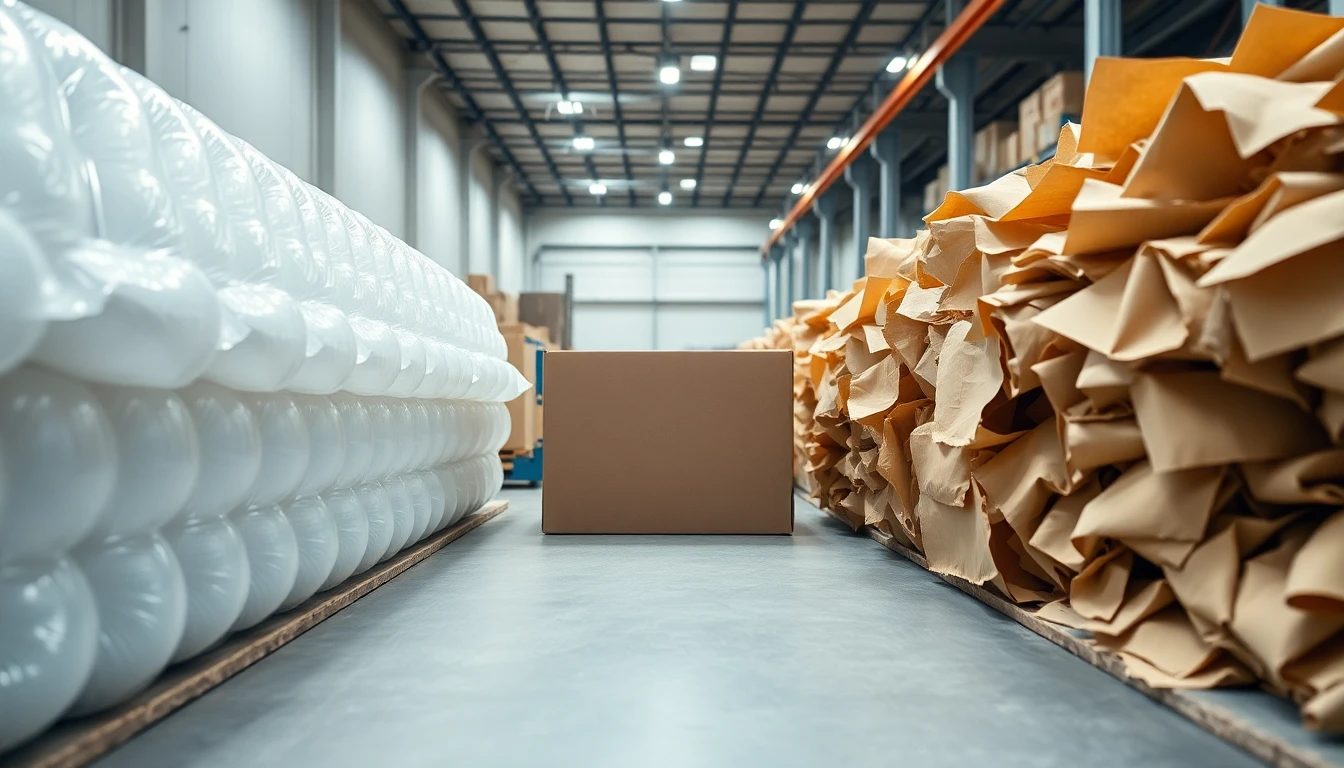
Air pillows and paper void fill are the two materials most operations end up choosing between. Both fill the empty space in a box, both stop products moving in transit, and both are produced on demand at the packing bench from a machine.
They behave differently in almost every other respect: cost per carton, storage space, packing speed, shipping weight and what happens to the material after the customer opens the box.
This comparison covers how air pillows and paper void fill differ in practice, and which application suits which packaging solution. AIRFILL supplies both air cushion and corrugated packaging products, so the aim here is a straight comparison rather than an argument for one material.
What Each Material Actually Is
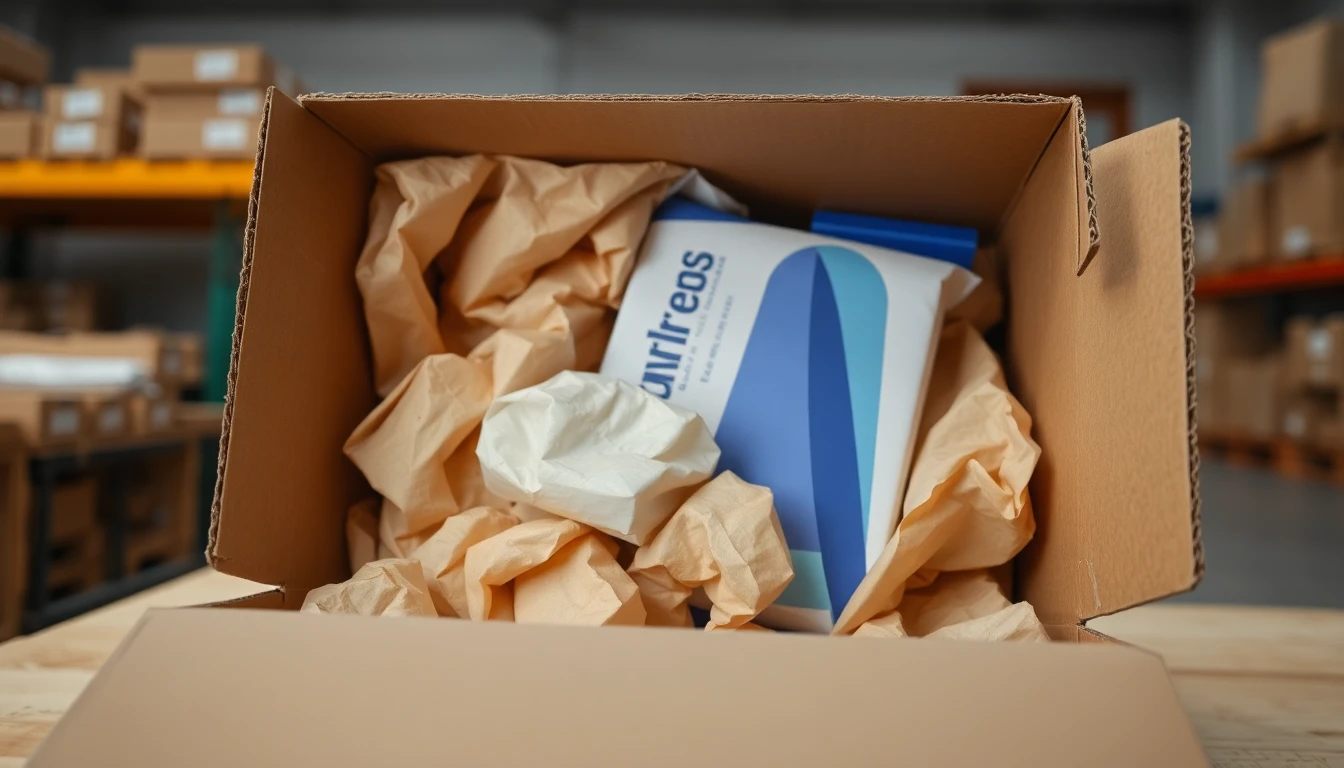
Both are void fill. Neither is primary cushioning for a heavy or unsupported product, and both work best when the product is centred in a right-sized box.
Air pillows are inflated plastic film, typically polyethylene. Flat film arrives on a roll, and an air pillow machine inflates and seals it at the packing bench into a chain of cushions. The finished product is roughly 99 percent air by volume, which is the single fact that drives most of its advantages.
Paper void fill is kraft paper, usually supplied as a fanfold stack or roll. A paper cushioning machine crumples or folds the paper into a loose, springy form that fills the gaps around the goods. Paper void fill is sometimes described as paper packing or crumpled kraft, and systems range from simple hand dispensers to automated systems.
For a broader overview of the category and the other options available, see our guide to void fill packaging types and best practices.
Protection: How They Perform in Transit
Both materials protect by stopping movement rather than by absorbing a major impact.
Air pillows hold their shape under light to moderate load and spring back. Because each cushion is a sealed unit of air, a chain of them conforms around products with irregular shapes and keeps gaps filled for the length of the journey. They do not compact under vibration the way loose materials can. The weakness is puncture: a sharp edge or an unprotected corner on hardware or auto parts can burst a cushion, which is why products with sharp features are usually wrapped before the void fill goes in.
Paper void fill is more robust against puncture and holds position well in a tightly packed box. Its structural integrity under sustained compression is lower than air: in a carton stacked near the bottom of a pallet for a long transit, crumpled paper will compress and settle, which can leave a gap that was not there when the box was sealed. Paper is also better suited to products with hard edges, because nothing bursts.
For heavier or more fragile items where void fill alone is not the answer, our comparisons of air pillows against bubble wrap and against foam inserts cover the other protective packaging options.
Cost and Cost Control
Comparing cost per roll tells you very little. The number that matters is cost per carton packed, and it has several components.
Material cost. Paper is usually cheaper per unit of raw material. Air pillow film looks more economical per carton filled, because you are buying film rather than the volume it becomes once inflated.
Shipping weight. This is where the comparison usually turns. Paper has real weight and it is added to every shipment. Air cushions are close to weightless. Across thousands of parcels, that weight shows up directly in carrier charges, particularly where you are close to a rate break. Our guide to reducing dimensional weight charges covers how carriers price weight against size.
Damage cost. A lower material price is not cost effective if damage and returns increase. Any cost comparison that ignores the damage rate is incomplete.
Labour. Time per box is a cost. See the throughput section below.
The honest summary on cost effectiveness: paper tends to look cheaper on the invoice, and air pillows tend to cost less once freight weight is included. Which packaging solution is more affordable for your operation depends on what you ship and how far.
Storage Space and Inbound Freight
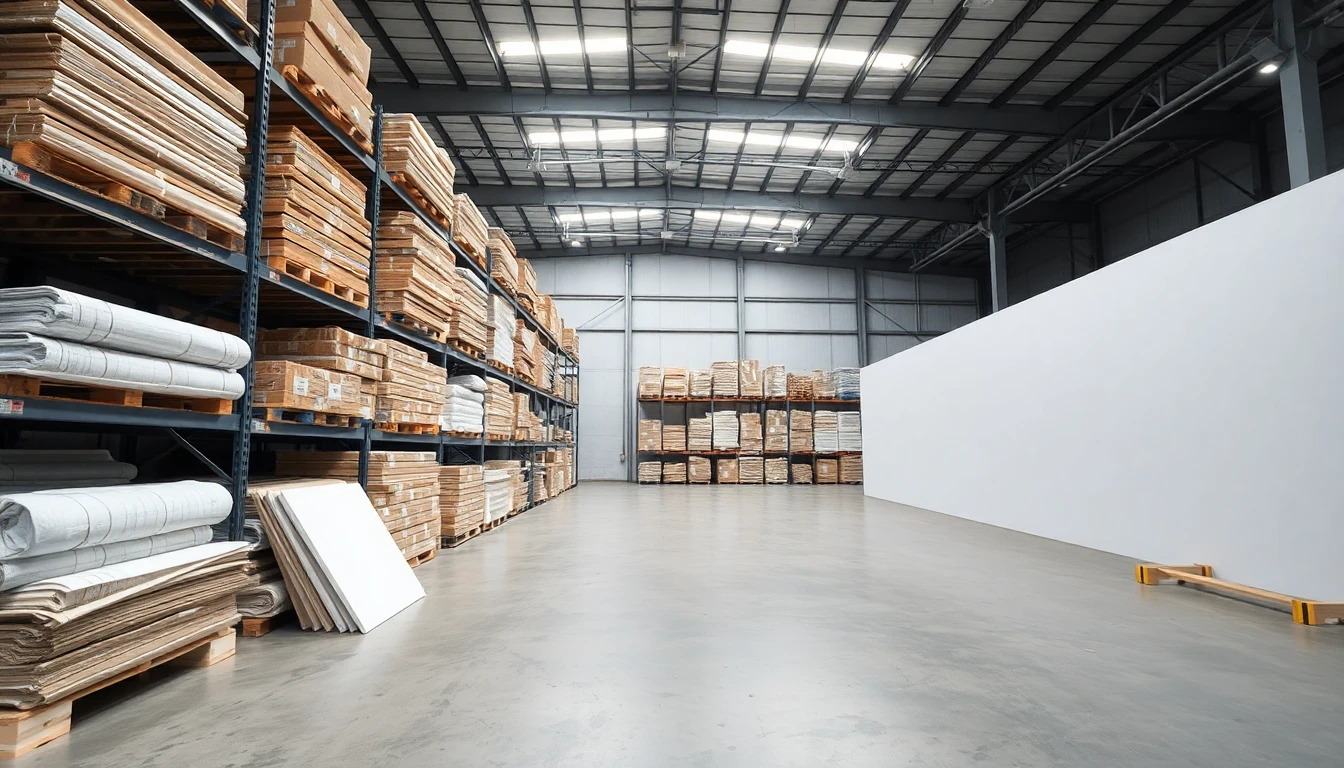
Both materials are supplied compressed and expanded on site, which is the main advantage either has over loose fill or pre-inflated products.
Air pillow film is the more compact of the two by a wide margin. A roll of flat film occupies very little space and becomes a large volume of cushioning. Fanfold paper is also compact compared with loose fill, but a pallet of paper is still a pallet, and it takes warehouse space and inbound freight to get it there.
If storage space is tight, or if you have a sharp seasonal peak when materials and inventory compete for the same square footage, the lightweight nature of air pillow film is a practical advantage rather than a marginal one.
Speed, Machinery and Throughput
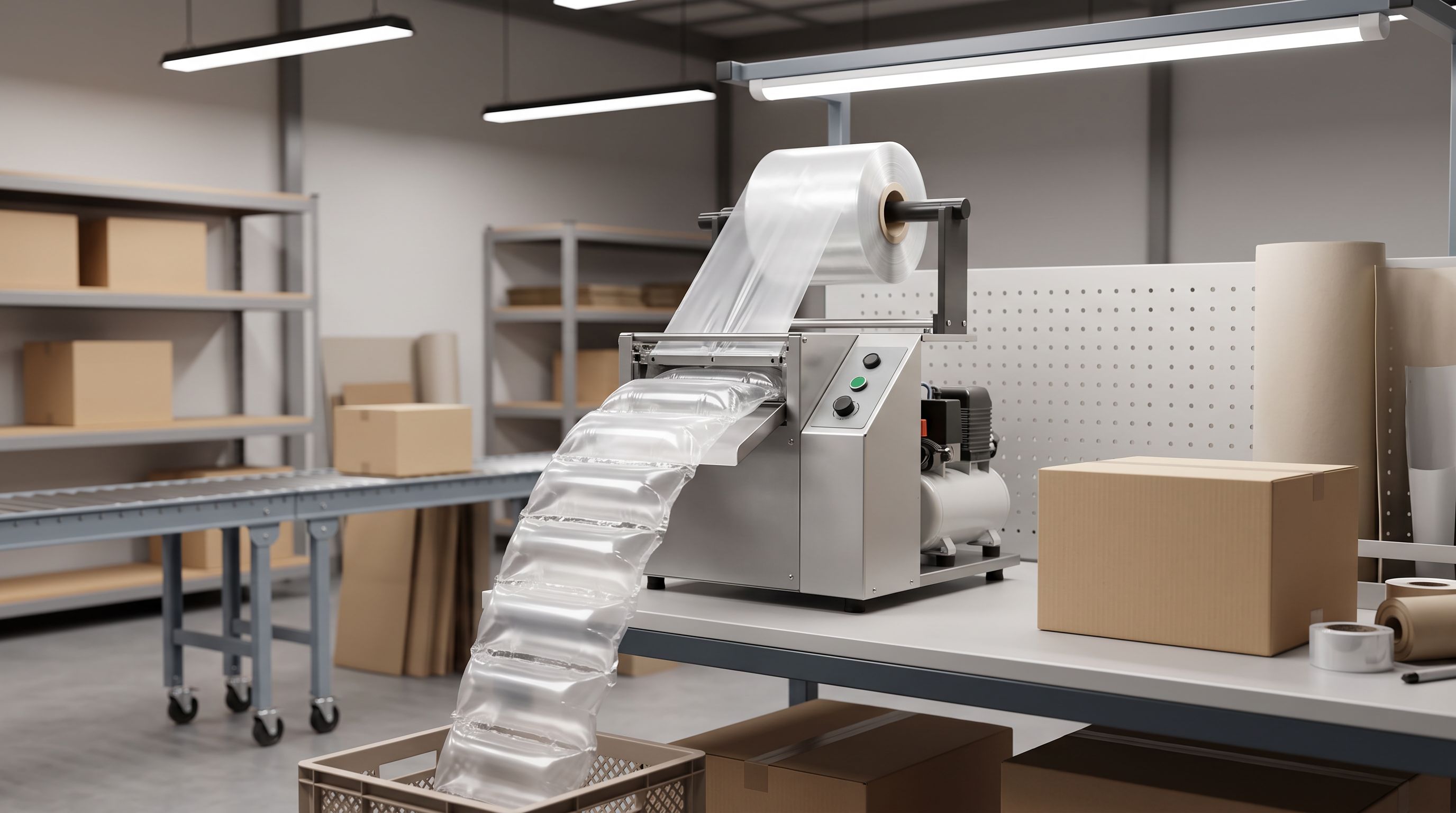
Both are produced on demand by a machine at the bench, and both beat hand-filling from a bin.
Air pillow machines inflate and seal continuously, and an operator tears off what the box needs. Setup is quick, the machinery is compact, and output is consistent regardless of who is packing.
Paper cushioning machines crumple or fold paper at speed. The machines are generally larger and heavier than air pillow equipment, and output varies a little more with technique, since how the operator places and bunches the paper affects how well the gaps are filled.
For either material, the gain comes from producing void fill at the point of use rather than storing it. Our guide to on-demand packaging systems covers how these systems work and what to look for.
Environmental Impact and Recycling
This is where the choice is least clear cut, and where it pays to be precise rather than general.
Paper is widely accepted in household recycling, and uncoated kraft paper is biodegradable and compostable in most settings. Where your customers value a plastic-free unboxing, paper is the easier material to defend. The offset is weight, which means more fuel burned moving it, and paper production is resource intensive at the point of manufacture.
Air pillow film is polyethylene. It is recyclable, but generally through store drop-off programs for plastic film rather than curbside collection, so the practical recycling rate depends on local recycling infrastructure and on customers knowing what to do. The counterweight is that air cushions are mostly air, so far less material is produced and shipped in the first place.
Neither material wins outright. Paper is easier for the customer to recycle; air uses less material and less freight. Which carries more weight depends on what your customers care about and where your environmental concerns actually sit in the supply chain.
For brands that want a corrugated, curbside-friendly option, AIRFILL also supplies EcoGuard, a corrugated product line, alongside the AIRFILL Packs air cushion line.
Which Application Suits Which Material
A practical summary.
Air pillows suit: e commerce and high-volume shipping where freight weight matters; products of irregular shapes needing gaps filled; operations short on storage space; electronics and lightweight goods; anywhere speed and consistency at the bench are the priority.
Paper void fill suits: products with sharp edges or hard corners that could puncture film; brands whose customers expect plastic-free packaging; heavier items in tightly packed boxes; operations where the aesthetics of a paper-filled box matter to the unboxing experience.
Both work well for: general void fill in right-sized cartons, which is the majority of what most businesses ship.
Many operations use both. Running paper for a hardware line and air for an electronics line is common, and there is no reason a single packing station cannot have access to both.
Packaging Efficiency: Choosing Between Them
If you are making the decision now, a short way to work through it.
Start with what you ship. Fragile goods of irregular shape push toward air. Goods with hard edges push toward kraft paper. This single question settles most cases, and it is worth answering per product line rather than for the whole catalogue.
Then look at where the cost actually sits. Work out what each packaging solution costs per carton delivered, including material, labour, freight weight and damage. Operations that only compare the price of a roll of kraft paper against a roll of film reach the wrong result surprisingly often.
Check what the packing bench needs. If you need a solution that any trained operator can use identically on a busy day, consistency matters more than a small difference in material price. Both machines deliver that; loose fill such as packing peanuts does not, which is why peanuts have largely been displaced by on-demand systems.
Factor in storage. Count the square footage each option needs to operate at your peak volume, not your average week. This is where the efficiency gap between flat film and fanfold kraft paper shows up most clearly.
Decide what your customers should find in the box. Some brands need a plastic-free unboxing and will accept the added shipping weight to get it. That is a legitimate reason to choose paper, and it does not need a cost justification.
Working through those five points will usually produce a clear answer, and it will often be that you need both: one packaging solution for one product line and a different one for another. Nothing about these systems requires you to standardise on a single material across the whole operation.
You do not have to work it out alone. If you want help putting real numbers against your own products, contact us and we will go through it with you.
Frequently Asked Questions
Is paper void fill cheaper than air pillows?
Usually cheaper per unit of material, often not cheaper per shipment once freight weight and damage rates are counted. Compare cost per carton delivered, not price per roll.
Which protects better, air pillows or paper?
For stopping movement in a right-sized box, they are comparable. Air holds its shape better under vibration and long transit; paper resists puncture better and suits products with sharp edges.
Can I recycle air pillows?
Yes, as plastic film, though generally through store drop-off rather than curbside collection. Deflating them first saves space. Paper is the easier of the two for a customer to recycle at home.
Do both need a machine?
Both are designed to be produced on demand at the packing bench. Paper can be used by hand from a stack, but output and consistency drop sharply, and most operations at any volume use machinery for either material.
Can I use air pillows and paper void fill together?
Yes. Using different void fill for different product lines is common and often the most effective answer.
Talk to a Packaging Specialist
The right void fill depends on what you ship, how far it travels, how much storage space you have and what your customers expect to find in the box. That is a conversation rather than a product decision.
AIRFILL Technologies supplies air cushion and corrugated packaging solutions, and will give you a straight answer about which fits your operation, including when it is neither.
Request a free consultation and talk to a packaging specialist about your packing line.