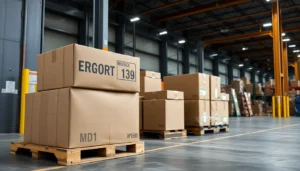
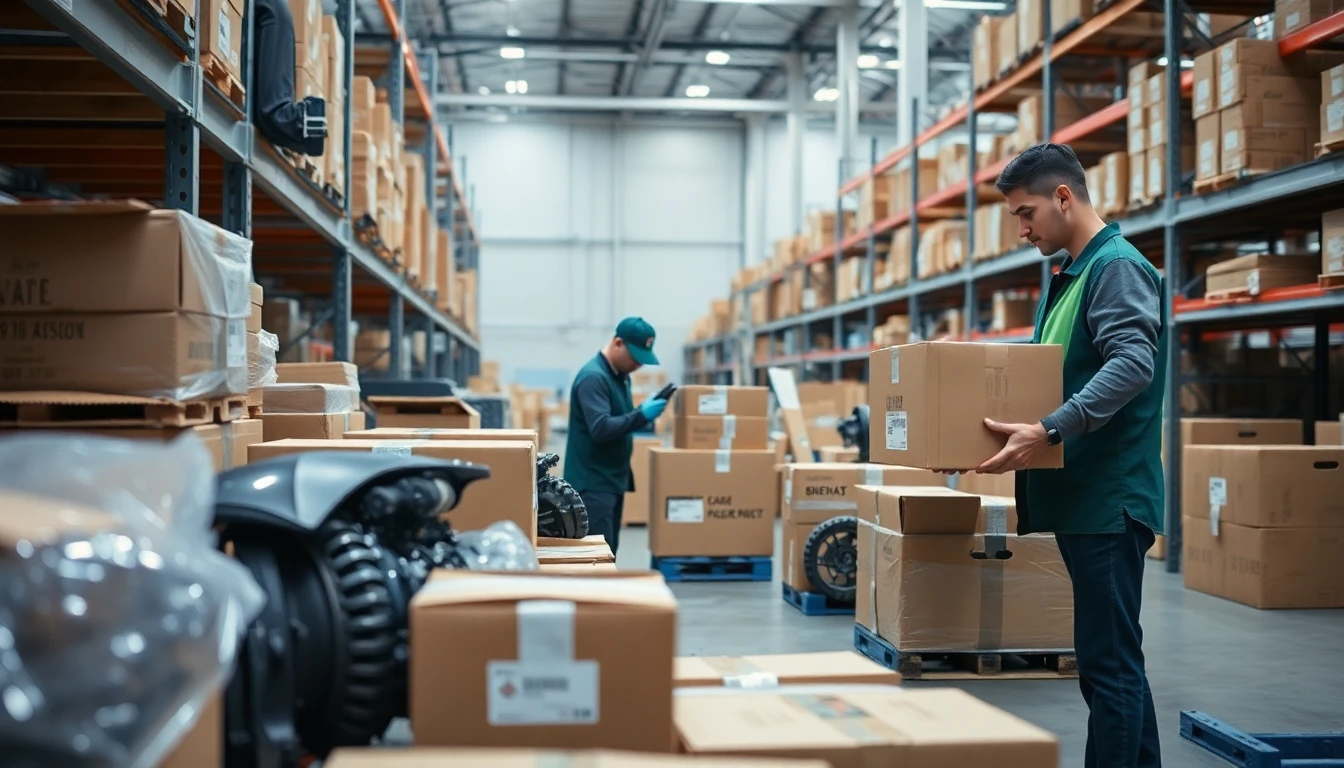
Automotive parts are some of the hardest products to ship well. They arrive in every shape and weight imaginable: dense metal castings, long slender sway bars, delicate spark plugs, sharp-edged brackets, and bulky body panels. Package them like ordinary goods and you get punctured boxes, shifted parts, and damage claims that eat into margin.
The right protective packaging for automotive parts solves this by matching the material and the method to the part. Whether you are an OEM supplier, an aftermarket distributor, or an e-commerce seller shipping car parts to customers, this guide covers how to choose automotive packaging that protects the product, controls cost, and keeps your supply chain moving.
The Protective Packaging Challenges of the Automotive Industry
Shipping in the automotive industry is uniquely demanding because the catalog is so varied. A single order might combine a heavy brake rotor, a fragile sensor, and an awkwardly shaped trim piece, each with different protection needs.
Three challenges show up again and again. First, sharp edges and hard corners on metal auto parts cut through thin packaging and puncture the box from the inside. Second, dense weight means a small part can be surprisingly heavy, so it needs packaging that immobilizes it without letting it batter the carton. Third, irregular shapes leave voids that let parts shift in transit, and shifting is what turns a safe part into a damaged one. Good automotive packaging has to handle all three at once, across a product range that changes order to order.
Choosing the Right Materials for Automotive Packaging
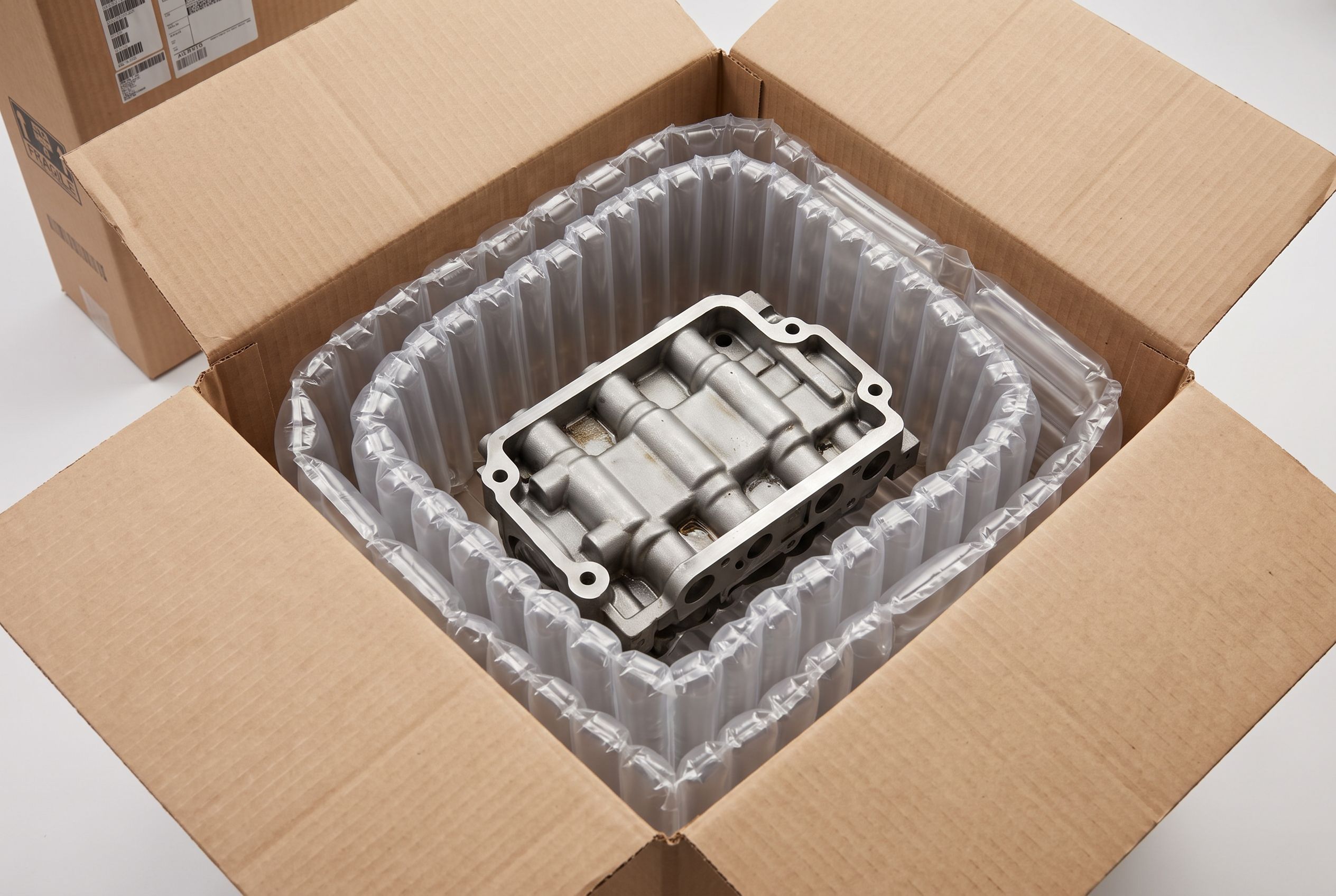
The foundation of protective packaging for automotive parts is a strong outer box paired with the right internal protection. A double-wall corrugated box gives the structural strength dense car parts demand, while the internal packaging keeps each part secure and separated.
For internal protection, on-demand air pillows and air cushions are the workhorse of modern automotive packaging. Air pillows fill the voids around a part so it cannot shift, adding almost no weight to the parcel. Air cushions provide firmer block-and-brace support for heavier auto parts, wrapping or bracing them inside the box. Because both inflate from flat film only when needed, they replace the bulky, messy materials that slow a packing line. Compared with packing peanuts, which settle in transit and let parts migrate, air-filled protection holds its position and its protection. Our comparison of air pillows vs. packing peanuts breaks down why for dense, shifting products.
For parts with sharp edges, add a protective layer, corrugated wrap or foam edge protection, between the metal and the air cushioning so the part cannot puncture its cushioning. Then pack the remaining space so nothing moves. Our guide to void fill packaging covers how to eliminate the movement that causes most automotive shipping damage, and the air pillow packaging ultimate guide details applications by product type.
Automotive Packaging Options: Matching Materials to Parts
Automotive packaging comes down to a few core options, and a good parts packaging system keeps that list short and deliberate. The outer packaging is almost always a corrugated box sized to the part. Inside, the protective packaging options are air pillows for void fill, air cushions for block-and-brace support, edge and corner protection for sharp metal, and protective bags or film for surface protection on finished parts.
Choosing the right packaging materials is a matter of matching each option to the product. Small parts need packaging that surrounds and separates them. Heavy parts need packaging that braces them. Finished or coated parts need packaging and bags that protect the surface from scratches. Designing a parts packaging system around these options, rather than reaching for whatever packaging is on the shelf, is what makes automotive shipping consistent from one product to the next.
The right packaging design also keeps material use and box size under control. When the packaging is matched to the part, every shipment uses the packaging it needs and no more, which is where automotive packaging quietly saves money. A deliberate set of packaging options beats a warehouse full of mismatched materials every time, both for protection and for the shipping cost of each parcel.
How to Ship Different Types of Automotive Parts
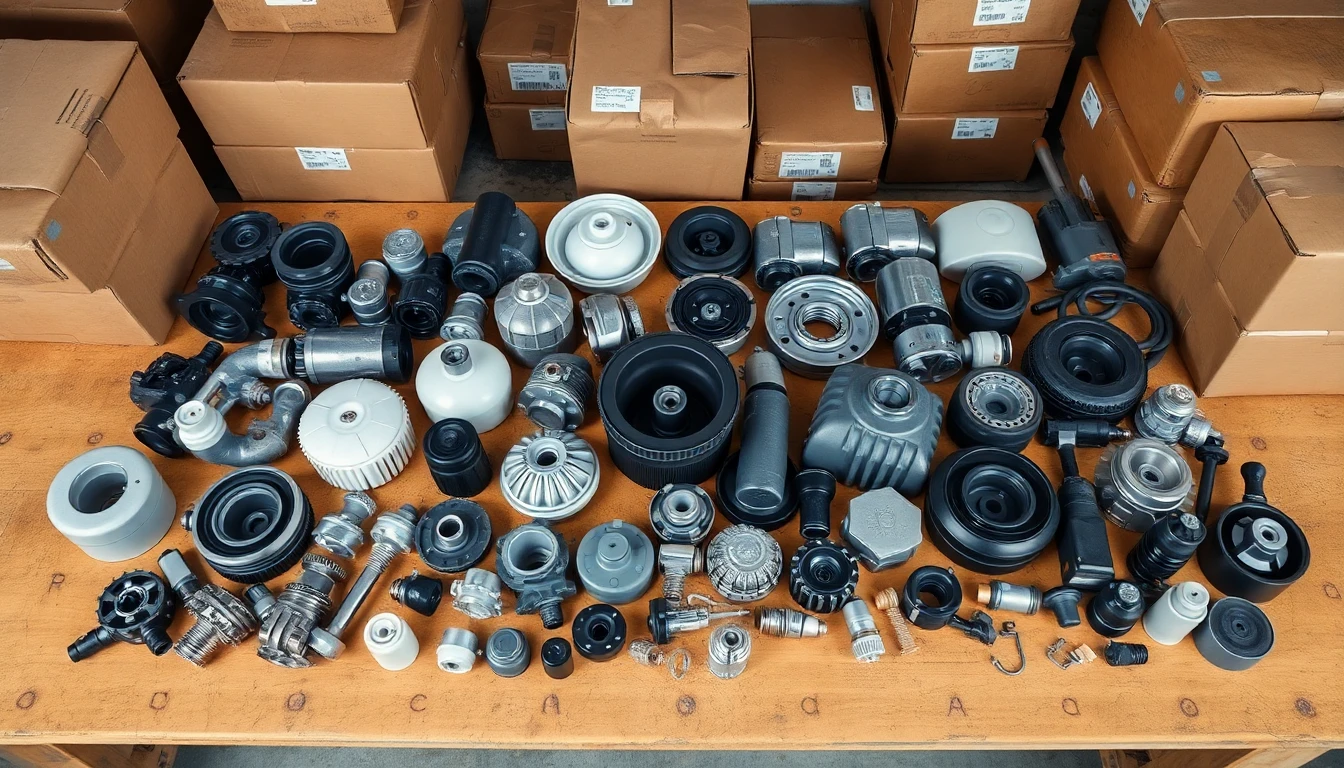
Not every part ships the same way. Matching the packaging to the part is what separates reliable protection from guesswork.
Small, dense parts like spark plugs, sensors, and fasteners ship best in a right-sized box with air pillow void fill surrounding each item so it cannot rattle against others. Sharp-edged parts such as brackets and brake components need an edge-protection layer before void fill, so the sharp edges never contact the box wall. Long parts like sway bars and exhaust sections need a snug box with air cushions bracing each end to stop the leverage that snaps packaging in transit. Large parts and body panels call for a rigid box with air cushions used to block and brace, immobilizing the panel so it ships flat and protected.
The common thread across every car part is the same: a strong box, an appropriate protective layer for hard or sharp surfaces, and enough air-filled void fill that the part cannot move. Get those three right and the part arrives the way it left.
Right-Sizing and Supply Chain Efficiency
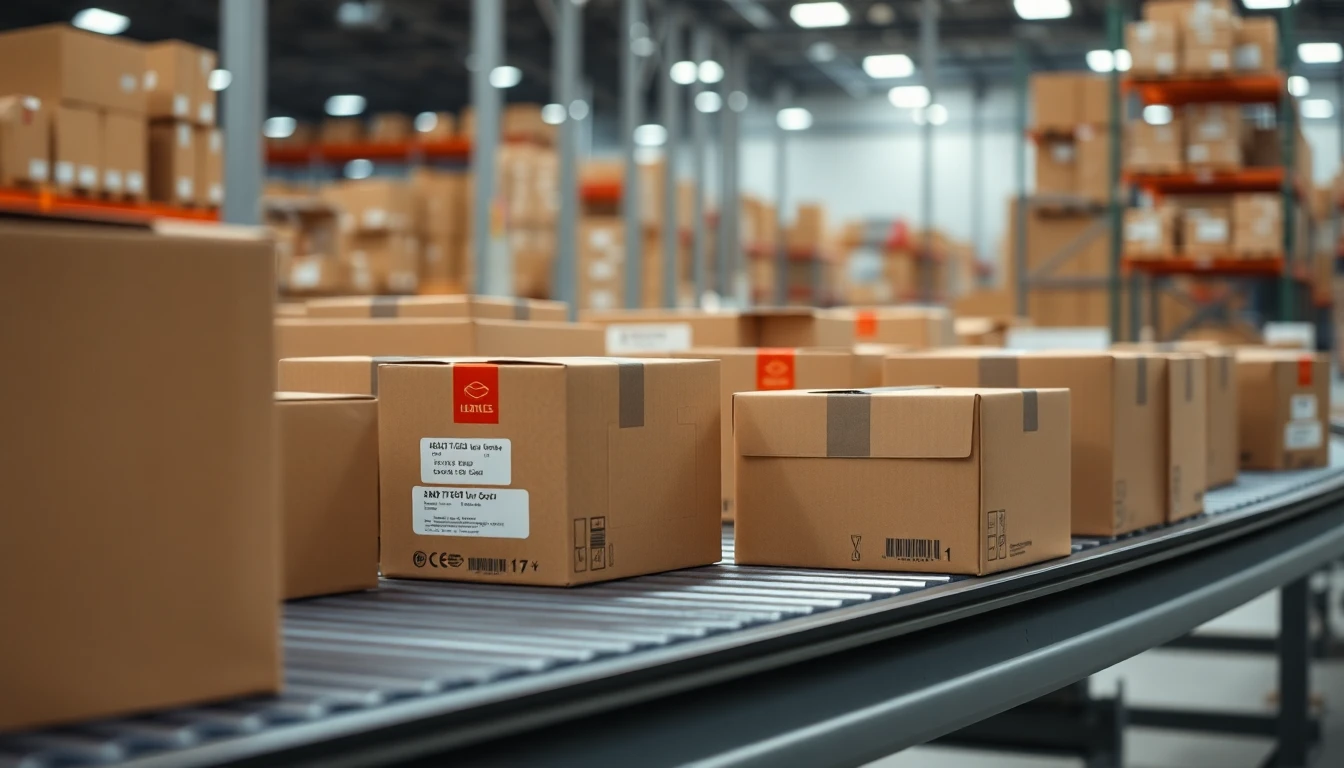
Protective packaging for automotive parts is not only about protection. It is also a supply chain cost lever. Because air pillows and air cushions inflate on demand from compact rolls of film, they take a fraction of the warehouse space that bulk packing materials require, which simplifies inventory across a parts operation.
Right-sizing the box adds a second saving. A snug box filled with lightweight air-filled protection reduces the parcel's dimensional weight, so you ship dense car parts without paying to ship air around them. For a distributor moving thousands of parts, that per-parcel efficiency compounds across the supply chain into a meaningful reduction in shipping and material cost. High-volume automotive operations often find that on-demand air cushion machines save fulfillment centers thousands by cutting both material and labor.
Better protection also protects the brand. Fewer damaged auto parts mean fewer returns, fewer replacement shipments, and customers who trust that your parts arrive ready to install, which is what earns repeat business in a competitive market.
Optimizing automotive parts packaging is ultimately about consistency at scale. When every product has a defined parts packaging spec, your team packs faster, your shipping cost per parcel stays predictable, and your customers receive undamaged parts every time they order. The right packaging for each product, applied to every shipment, is what turns packaging from a cost center into a competitive advantage across the automotive industry, whether you ship a handful of car parts a day or thousands. A repeatable automotive packaging process, matched to how you actually ship product, is the difference between shipping parts and shipping them well.
Frequently Asked Questions
What is the best protective packaging for automotive parts?
A strong double-wall corrugated box with on-demand air pillow and air cushion void fill is the most versatile option. It handles the weight of dense car parts, immobilizes irregular shapes, and adds an edge-protection layer for parts with sharp edges.
How do you ship heavy automotive parts without damage?
Use a rigid box sized to the part, brace the part with air cushions so it cannot move, and add edge or corner protection on any sharp surfaces. Immobilizing the part is what prevents the shifting that causes most transit damage.
Are air pillows strong enough for auto parts?
Yes. Air pillows excel at filling voids so parts cannot shift, and air cushions provide firmer block-and-brace support for heavier parts. Paired with a strong corrugated box and edge protection where needed, air-filled packaging protects even dense automotive parts.
How can automotive packaging reduce shipping costs?
Right-sizing the box and using lightweight air-filled void fill lowers dimensional weight, so you stop paying to ship empty space around dense parts. On-demand production also cuts storage space and labor across the supply chain.
Ship Automotive Parts Safely With AIRFILL
Automotive parts punish weak packaging. Sharp edges, dense weight, and irregular shapes demand protection engineered for the part, not a one-size box stuffed with peanuts. The right system, a strong corrugated box, edge protection where needed, and on-demand air pillow and air cushion void fill, protects the product and controls cost at the same time.
AIRFILL Technologies helps automotive suppliers, distributors, and e-commerce sellers do exactly that. We match air pillow and air cushion packaging to your specific car parts and volume, so you cut damage claims and shipping cost together. To ship your automotive parts safely and efficiently, talk to an AIRFILL packaging specialist for a free consultation. We will review how you pack your parts today and show you where protection and cost can both improve.
Request a free consultation to protect your automotive parts and your margins.