
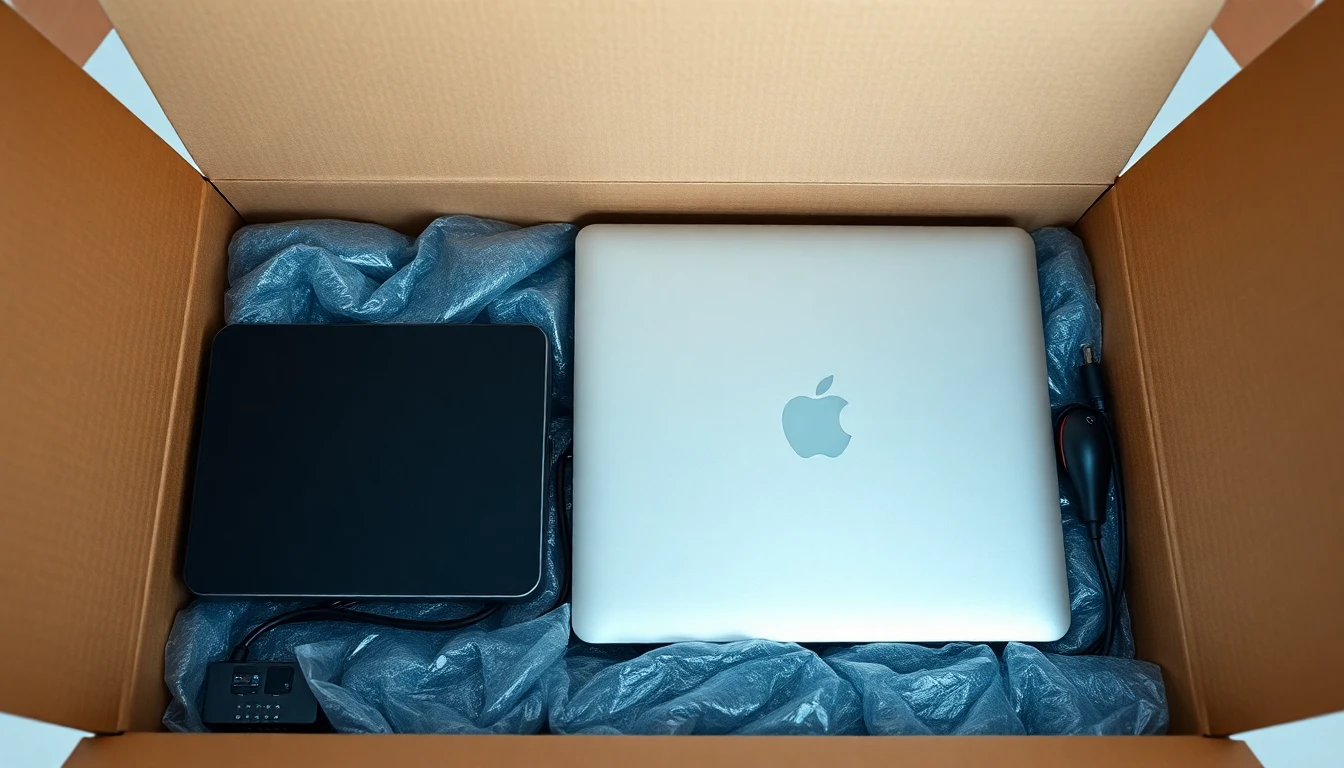
Electronics are among the most expensive things to ship and the easiest to damage. A dropped parcel, a static spark, or a loose battery can turn a high-value device into a return, a refund, and a lost customer. Protective packaging for electronics exists to prevent exactly that — and getting it right is mostly about method, not luck.
This guide covers how to ship electronics safely end to end: choosing the shipping box, cushioning the device, protecting against static, packing batteries to regulation, and handling shipping costs, carriers, and insurance. Whether you ship one device or thousands, the same principles keep electronics intact in transit.
Why Electronics Need Specialized Protective Packaging
Electronics face three threats in shipping that ordinary goods don't. Shock from drops can crack screens, dislodge components, and break solder joints. Vibration over a long delivery loosens connectors. And static — electrostatic discharge — can silently kill sensitive electronic devices without leaving a mark.
Generic packing won't address all three. Protecting electronic devices in transit means combining a sturdy box, shock-absorbing cushioning, and anti-static materials into one system. Skip any layer and you've left an opening for damage.
Choosing the Right Shipping Box
The shipping box is the foundation. For electronics, use a new, double-walled corrugated box — never a reused box that has lost its strength. Electronics shipping boxes should leave at least two inches of clearance on every side of the device for cushioning.
For heavier equipment or high-value devices, size up so there's room to double box. Match the box to the device rather than forcing a device into whatever is on the shelf — a right-sized box also keeps shipping costs down by avoiding dimensional-weight charges on wasted space.
Cushioning and Void Fill for Electronics
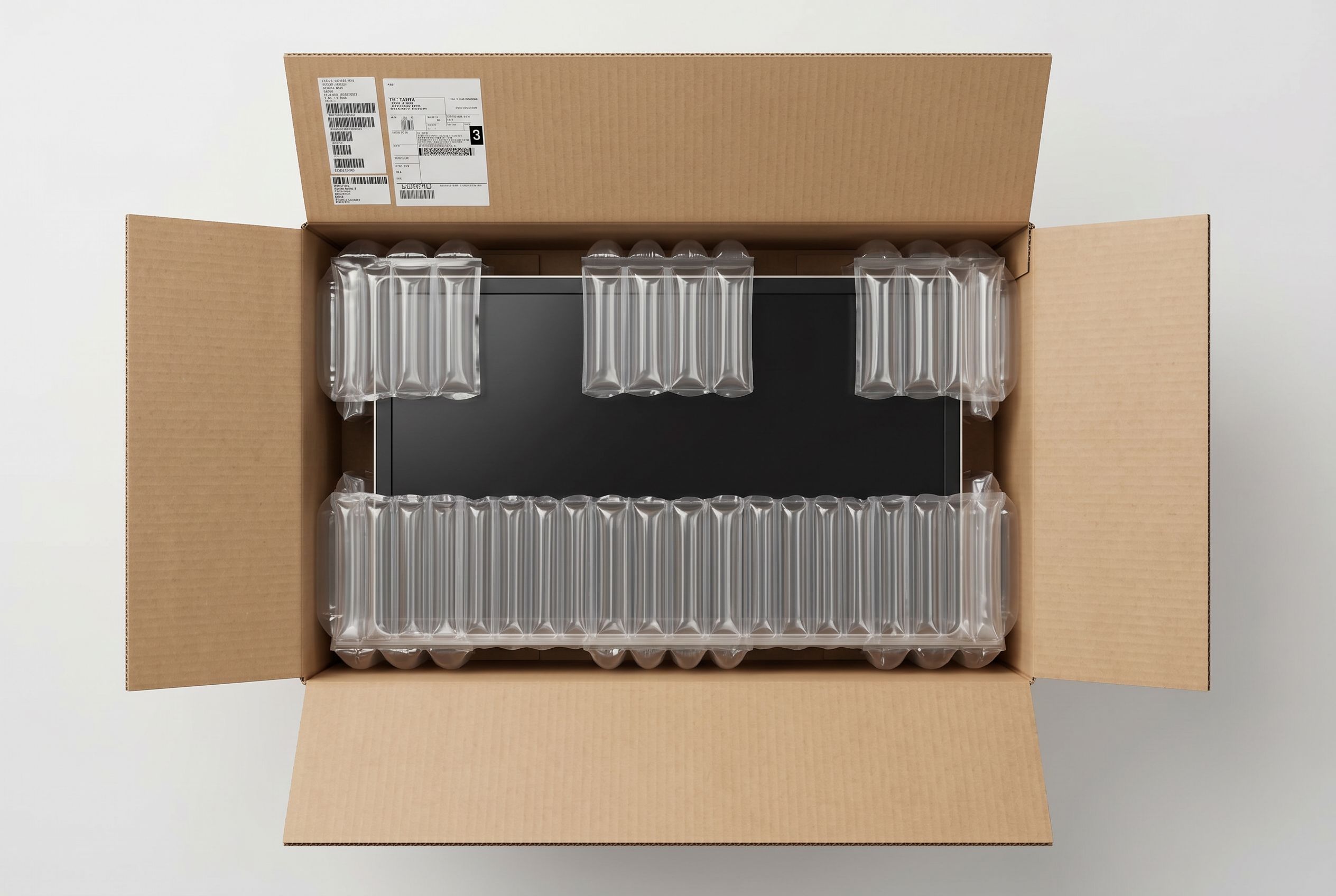
Once the device is in the box, cushioning does the protective work — immobilizing the device and absorbing shock before it reaches the electronics.
- Air cushions and air pillows — lightweight inflated packaging that fills void space and absorbs impact while adding almost no weight to the parcel. They conform around a device and are the cleanest protective packaging for most electronics. See our air cushion packaging guide and air pillow packaging guide.
- Bubble wrap — a useful inner wrap for a single device, though slower to apply than air-filled void fill.
- Foam inserts — custom-cut protection that holds a device in a fixed position; ideal for repeat shipments of the same product.
Fill every gap so the device can't shift, then add a top layer before sealing. A quick shake test confirms nothing moves inside the box.
Protecting Electronics From Static Damage
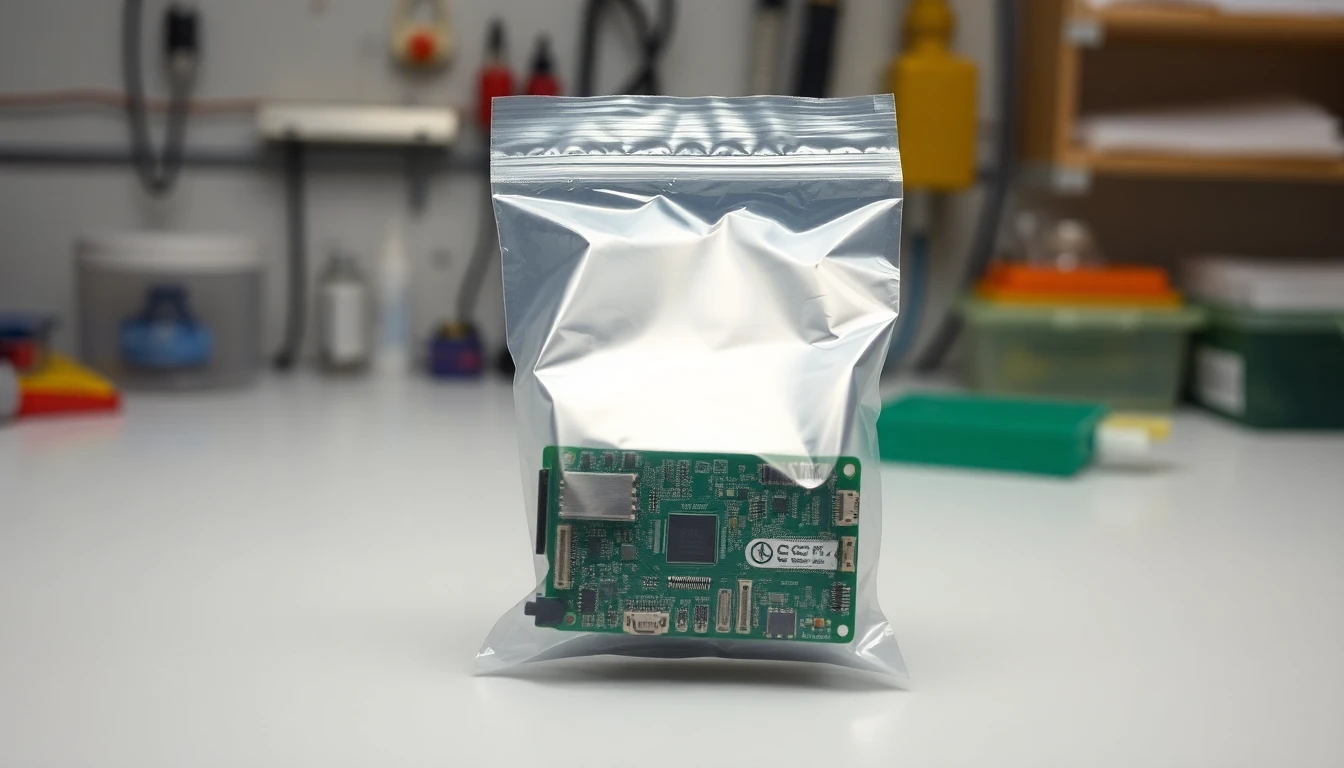
Static is the threat people forget. Walking across a floor can build enough static electricity to damage a circuit board, and ordinary plastic packing materials can make it worse.
To prevent electrostatic discharge, seal bare boards, components, and sensitive electronic devices in anti-static bags before cushioning them. Anti-static (and for the most sensitive items, static-shielding) bags dissipate charge safely. This single step protects the components that cushioning alone can't.
How to Pack and Ship Electronics Step by Step
A reliable method to pack and ship electronics:
- Back up and power down the device, and remove or secure any loose accessories.
- Seal sensitive items in anti-static bags.
- Wrap the device in bubble wrap or a protective sleeve.
- Line the box with a base layer of cushioning.
- Center the device with even clearance on all sides.
- Fill all void space with air pillows so nothing moves.
- Seal with strong packing tape in an H-pattern across every seam, top and bottom, then apply a clear shipping label.
Good packing is repeatable: the same method, the same packing materials, and the same packing tape on every shipment means every device leaves protected, whether you ship one a week or a thousand a day. Consistent packing is what keeps damage rates — and customer complaints — low as you scale.
Shipping Batteries and Lithium-Ion Rules
Most modern electronics ship with batteries, and shipping batteries is regulated. Lithium-ion batteries and lithium batteries are classified as dangerous goods because they can overheat, so carriers enforce strict rules on how they're packed and labeled.
General best practice when shipping electronics with batteries:
- Keep batteries installed in the device when possible — shipping batteries installed usually carries fewer restrictions than shipping loose lithium-ion batteries or spare cells.
- Never ship a damaged or swollen battery; damaged lithium batteries are a fire risk and are prohibited.
- Cushion the device so battery terminals can't short against anything in the box during transit.
- Apply any required dangerous-goods markings and check your carrier's current lithium-ion battery requirements before each shipment.
Loose lithium-ion batteries face the tightest rules, and quantities, watt-hours, and labeling all matter. When in doubt, confirm the rules for your specific device and battery with the carrier before shipping — a restricted electronic device shipped incorrectly can be refused, delayed, or fined, and that delay reaches your customers.
Original Packaging vs. Custom Protective Packaging
If you still have the original packaging — the molded inserts a device shipped in — it's often a fine starting point, since it was designed for that product. But original packaging wears out, doesn't always survive a second trip, and isn't built for the rougher handling of individual parcel shipping.
For repeat shipments, custom protective packaging — right-sized boxes with air cushions or foam inserts — gives more consistent protection than aging original packaging, and scales across the different types of devices you ship.
Shipping Costs, Carriers, and Insurance
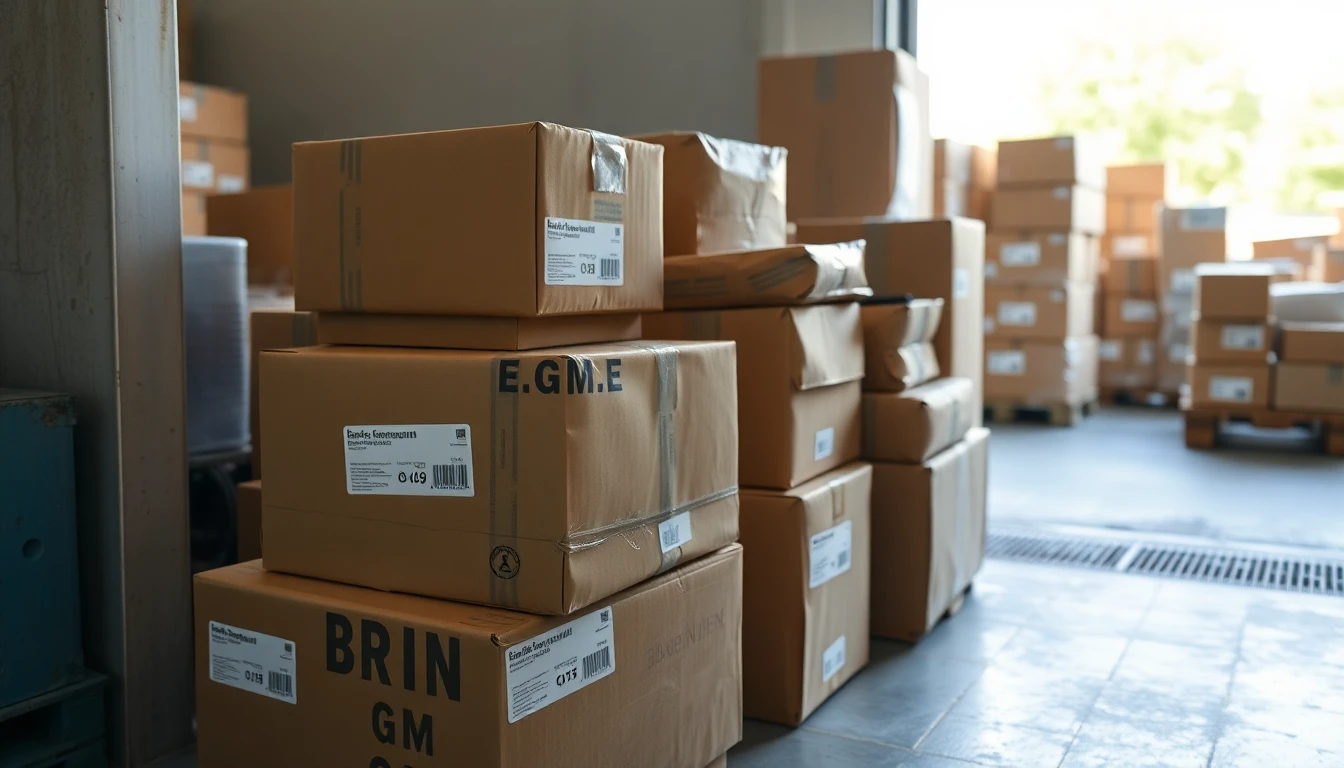
Once a device is packed, the shipping decision balances cost, speed, and protection. Major carriers — FedEx, UPS, USPS, and others — each offer multiple services and service levels for shipping electronics, from ground delivery to overnight. Choosing the right service level means weighing delivery speed against shipping costs for each shipment, and matching the service to how fragile and high value the device is.
For businesses shipping electronics at volume, the carrier relationship matters as much as the rate card. FedEx and UPS both publish packing guidelines for electronics, and some offer packing services and drop-off at a local FedEx Office location for customers who don't pack in-house. Higher service levels generally mean less time in transit and less handling — which, for fragile electronics, can be worth more than the shipping cost difference.
A few essentials for every electronics shipment:
- Insure high value devices. Carrier liability is limited; buy adequate shipping insurance (or third-party insurance) so a lost or damaged shipment is covered for its real value.
- Right-size to control shipping costs. Dimensional weight means an oversized box costs more to ship even when the device is light, so the box and the packing both affect the bill.
- Use a clear shipping label and any required handling marks so the parcel is handled correctly in transit and reaches customers on time.
- Factor protection into total cost. A few cents of better packing and cushioning is far cheaper than one damaged high-value device, a refund, and a lost customer.
The cheapest shipping option rarely wins once you account for damage. The right balance of carrier, service level, packing, and insurance is what keeps both delivery costs and damage claims down.
How to Ship Electronics Internationally
To ship electronics internationally, the packaging principles are the same, but the paperwork and rules are stricter. International shipments need accurate customs documentation, and battery and dangerous-goods regulations vary by destination. Build in extra protection for the longer journey and more handling, confirm the destination's shipping regulations, and choose a carrier service level that matches the value and urgency of the shipment.
Common Mistakes When Shipping Electronics
Even experienced shippers repeat the same errors when they package electronics. Avoid these:
- Skipping anti static bags. Bare electronic components and circuit boards need anti static bags before cushioning — proper packaging for electronics starts there, not with the box.
- Reusing worn boxes. Correct packaging means a sturdy, new box every time, not a tired one that's already made a trip.
- Under-insuring valuable electronics. For high value items, carrier coverage rarely matches real value — add third party insurance or full shipment insurance so a damaged shipment is covered.
- Shipping loose batteries. Shipping lithium ion batteries loose triggers the strictest dangerous-goods rules; keep them installed in the device when you can.
- One-size packing. Shipping laptops, tablets, and heavier equipment each need packaging material matched to the device — there's no universal box.
Getting shipping electronics right is mostly about not cutting these corners. The shippers with the lowest damage rates simply package electronics the same careful way on every shipment.
The AIRFILL Approach to Shipping Electronics
AIRFILL designs air pillow and air cushion protective packaging built for shipping electronics — lightweight, conforming, shock-absorbing, and curbside-recyclable through our EcoGuard line. We help electronics shippers match the right box, cushioning, and method to each device, so damage claims drop and customers receive products that work the first time.
If protecting electronics in transit is costing you more than it should, the next step is simple: talk to a packaging specialist for a free consultation, and we'll review how your devices are packed and where protection can improve — no commitment required.
Frequently Asked Questions
What is the best protective packaging for electronics?
A new double-walled box, sensitive items sealed in anti-static bags, the device wrapped and centered, and air cushions or air pillows filling all void space. Double boxing adds protection for high-value devices.
How do I ship electronics with batteries?
Keep batteries installed in the device when possible, never ship damaged batteries, cushion the device so terminals can't short, and follow your carrier's lithium-ion battery rules — they're treated as dangerous goods.
Should I use the original packaging to ship electronics?
It's a reasonable starting point because it was designed for the device, but original packaging wears out. For repeat shipments, custom protective packaging gives more consistent protection.