
Introduction
IT asset management (ITAM) is the comprehensive tracking and management of IT assets throughout their entire lifecycle, from procurement to secure disposal. This strategic approach optimizes the use of hardware and software assets while ensuring compliance, reducing costs, and enhancing security across distributed enterprise environments, and supports the reliable and efficient delivery of IT services.
This guide covers enterprise ITAM strategies, including critical asset recovery and return logistics processes that protect asset value and operational continuity.
What This Guide Covers
This comprehensive resource addresses the complete IT asset lifecycle from procurement to disposal, including reverse logistics and asset recovery processes. You’ll learn hardware, software, and cloud asset management strategies, along with ITAM implementation best practices and common challenges. This guide does NOT include specific vendor comparisons or basic IT inventory concepts – instead focusing on enterprise-level strategic implementation.
Who This Is For
This guide is designed for IT managers, CIOs, and asset management professionals responsible for enterprise IT asset oversight. Whether you’re implementing new ITAM processes or optimizing existing asset management operations, you’ll find actionable strategies for managing large-scale IT asset returns, refreshes, and reverse logistics operations.
Why This Matters
IT assets represent 35% of overall IT spending, with poor asset management causing significant productivity losses and compliance risks. Effective asset management reduces costs, improves security, and ensures regulatory compliance while protecting valuable assets—including the organization’s assets—during critical return and recovery processes that maintain residual asset value.
What You’ll Learn:
- Core ITAM concepts and lifecycle management strategies for modern enterprises
- Implementation frameworks for scalable asset management programs with integrated reverse logistics
- Best practices for IT asset returns, recovery, and protective packaging solutions
- Solutions for common ITAM challenges that improve operational efficiency and asset protection
Understanding IT Asset Management Fundamentals
IT asset management is the systematic approach to managing IT assets from acquisition through secure disposal, providing comprehensive visibility, control, and optimization across the entire asset lifecycle. The ITAM process involves key steps such as configuration, deployment, and lifecycle management to ensure effective handling of IT assets. Asset and configuration management are integral components within IT service management (ITSM), supporting a broader framework for managing IT assets and configurations.
ITAM provides organizations with essential oversight of their technology investments, enabling data-driven decisions about asset utilization, replacement timing, and cost optimization, with up-to-date information being crucial for making informed choices. A foundational activity in this process is to identify assets, which helps mitigate risk and supports operational efficiency. The process ensures that every asset – from servers to mobile devices – contributes maximum value throughout its operational life.
What Constitutes an IT Asset
Hardware assets include servers, desktops, laptops, mobile devices, networking equipment, and peripherals that form the physical foundation of IT infrastructure. These physical assets require careful tracking, maintenance, and protection during transportation and storage phases.
Software assets encompass licensed applications, operating systems, databases, and cloud-based solutions that enable business operations. Software systems, such as integrated enterprise applications and complex collections of software, are managed as part of ITAM to support essential business functions. Managing software assets involves license compliance, usage optimization, and ensuring that all software installed meets organizational security standards.
Digital assets comprise data, intellectual property, and configuration information that represent significant organizational value. Digital asset management plays a crucial role in protecting digital and cloud assets, helping to prevent security vulnerabilities and enhance operational efficiency, especially in the context of cybersecurity. The relationship between physical and digital asset components means that protecting hardware during transitions directly protects the valuable digital assets it contains.
The IT Asset Lifecycle Framework
The asset lifecycle consists of six key stages: planning, procurement, deployment, maintenance, replacement, and disposal. Each stage impacts the total cost of ownership and operational efficiency, requiring coordinated management to optimize asset performance and minimize risks. Tracking and optimizing asset use throughout these stages is essential to extend asset lifespan and reduce costs.
Critical transitions between lifecycle stages demand robust protective measures and reliable logistics support. Asset protection during movement, storage, and return processes preserves asset value and prevents costly damage that reduces operational efficiency. Effective operations management plays a crucial role in integrating asset lifecycle processes, ensuring seamless coordination and risk mitigation across the IT infrastructure.
Transition: Understanding these fundamentals establishes the foundation for implementing comprehensive ITAM strategies that address both forward deployment and reverse logistics challenges.
ITAM Implementation Strategies and Asset Protection
Comprehensive ITAM strategies must address both forward deployment and reverse logistics to ensure complete asset lifecycle control. By reducing vulnerabilities, comprehensive ITAM strategies also help mitigate risk and enhance security. The implementation approach determines how effectively organizations can track, protect, and optimize their IT investments throughout every operational phase.
Hardware Asset Management
Inventory management forms the backbone of effective hardware asset tracking, utilizing RFID, barcoding, and GPS technologies for real-time location monitoring. Maintaining a centralized inventory is essential for accurate tracking of IT assets, audit readiness, and preventing unauthorized access. This detailed inventory enables organizations to maintain accurate records of asset deployment, utilization, and maintenance schedules.
Asset tracking extends beyond simple location monitoring to include comprehensive configuration management and maintenance scheduling. Organizations must implement systems that monitor asset health, performance metrics, and maintenance requirements to optimize asset utilization and prevent unexpected failures.
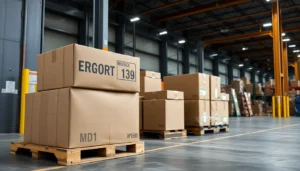
Protective packaging plays a critical role during asset movements, returns, and recovery operations. Reliable packaging solutions ensure that hardware assets maintain their condition and value during transportation, storage, and refurbishment processes. Superior product protection directly impacts the success of asset recovery programs and helps organizations maximize return on their technology investments.
Software and License Management
Software asset management involves tracking license compliance, optimizing software licenses usage, and preparing for audit requirements. Organizations must maintain accurate records of all software installed across their infrastructure while ensuring compliance with licensing agreements. ITAM tools play a crucial role in maintaining accurate inventories of IT assets, supporting regulatory compliance, and facilitating audit reporting.
License management requires continuous monitoring of software deployment against available licenses to prevent compliance violations and optimize costs. Automated systems help organizations track usage patterns and identify opportunities to optimize software licenses allocation.
Cloud asset management presents unique challenges as organizations manage hybrid environments combining on-premises and cloud resources. Effective management requires integrated platforms that provide visibility across all deployment models while maintaining cost control and security standards.
Reverse Logistics and Asset Recovery
Asset recovery processes encompass comprehensive return procedures for lease endings, refreshes, and employee transitions. These processes require careful coordination between IT teams, logistics providers, and specialized packaging partners to ensure secure, efficient asset handling.
Sustainable packaging solutions support enterprise-level asset recovery operations while minimizing environmental impact. Scalable, customizable packaging systems protect assets during transportation and storage while supporting organizational sustainability goals and operational efficiency requirements.
Data sanitization and asset refurbishment preparation require secure handling protocols that protect sensitive information while preparing assets for redeployment or disposal. Proper packaging during these processes prevents damage that could compromise data security or reduce asset value.
Key Points:
- Successful ITAM requires integration of forward deployment and reverse logistics processes
- Asset protection during returns preserves residual value and prevents costly damage
- Scalable, reliable packaging solutions enable enterprise-level asset recovery operations
Transition: These implementation strategies provide the framework for building comprehensive ITAM programs that protect assets and optimize operational efficiency.
Asset Management Software: Tools and Platforms for ITAM Success
Asset management software is like a trusted family doctor for your organization’s technology, providing gentle care and comprehensive oversight that empower businesses to maintain complete visibility and control over all IT assets throughout their lifecycle. These platforms serve as the caring central hub for managing hardware and software assets, creating a warm and supportive environment that guides the asset management journey from acquisition to retirement with confidence and peace of mind.
Modern asset management software embraces IT teams with the capability to lovingly track every IT asset—whether it’s a physical device, a software license, or a cloud service—across distributed environments just like a family caring for each member. By bringing asset data together into a single, trustworthy system, organizations can monitor asset utilization with gentle precision, ensure compliance with software licenses through reliable guidance, and optimize the deployment of both hardware and software assets with the confidence that comes from having a dependable partner.
Key features of leading asset management ITAM platforms include automated asset discovery that works like a caring friend always looking out for you, detailed inventory management that provides the comfort of knowing everything is accounted for, and lifecycle tracking that nurtures assets through every stage. Integrated license management that offers the peace of mind families deserve. These tools support the management of complex environments that include on-premises infrastructure, mobile devices, and cloud resources, providing the flexibility and understanding needed for today’s hybrid IT operations with the warmth of a trusted community partner.
Effective asset management software also enhances operational efficiency by gently automating manual processes, reducing maintenance costs through thoughtful care, and supporting proactive maintenance and asset repair with the dedication of a reliable family member. With real-time insights into asset health and performance delivered in a reassuring, accessible way, IT teams can make informed decisions that extend asset value, mitigate risks, and ensure regulatory compliance—all while building the confidence that comes from having a trusted technology partner by their side.
When selecting asset management software, organizations should prioritize solutions that offer robust integration capabilities with existing IT service management and configuration management systems, just like choosing a healthcare provider who works well with your family’s other trusted professionals. This ensures seamless workflows across business processes and maximizes the return on asset investments, creating the kind of long-term partnership that brings comfort and reliability to your technology ecosystem.
By embracing advanced asset management software with confidence, organizations can achieve greater asset visibility, optimize software licenses with gentle precision, and drive continuous improvement in their IT asset management process—ultimately supporting business operations and long-term strategic goals with the peace of mind and trust that comes from having a caring, professional partner dedicated to your technology family’s well-being and success.
Building Your ITAM Program: Implementation Framework
Building effective ITAM processes requires systematic implementation that addresses both technical requirements and operational workflows. Organizations must establish comprehensive procedures that protect assets while ensuring seamless integration with existing business processes and infrastructure services.
Step-by-Step: ITAM Program Implementation
When to use this framework: Organizations implementing new ITAM processes or upgrading existing asset management operations to include comprehensive reverse logistics capabilities.
- Asset Discovery and Inventory Creation: Implement comprehensive identification of all IT assets using automated discovery tools and manual verification processes to establish baseline inventory management capabilities.
- Lifecycle Process Design: Map complete asset flows, including deployment, maintenance, and return procedures that integrate with existing service management platforms and operational workflows.
- Technology Platform Selection: Choose ITAM software with robust reverse logistics capabilities, integration with cloud services, and comprehensive reporting for regulatory compliance requirements.
- Packaging and Protection Standards: Establish reliable protective packaging protocols using innovative, sustainable solutions that ensure asset protection during all movement and storage phases.
- Team Training and Process Rollout: Ensure IT teams understand both forward deployment and reverse processes, emphasizing proper asset handling and protection procedures that maintain asset value.
- Continuous Monitoring and Optimization: Implement regular assessment procedures that monitor asset performance, utilization metrics, and process effectiveness to drive ongoing improvements.
Comparison: In-House vs. Outsourced Asset Management
|
Feature |
In-House Management |
Outsourced Management |
|---|---|---|
|
Cost Structure |
Higher upfront investment, fixed ongoing costs |
Variable costs based on volume, lower initial investment |
|
Control Level |
Direct oversight of all processes |
Shared control with specialized expertise |
|
Expertise Requirements |
Significant internal training and development |
Access to specialized reverse logistics knowledge |
|
Scalability |
Limited by internal resources and infrastructure |
Flexible scaling with established logistics networks |
|
Reverse Logistics |
Requires internal capability development |
Immediate access to proven protective packaging solutions |
Organizations typically achieve optimal results by combining internal oversight with strategic partnerships that provide specialized expertise in areas like protective packaging and reverse logistics. This approach maintains control while accessing innovative solutions that enhance operational efficiency.
Transition: Understanding implementation frameworks enables organizations to address common challenges with proven solutions.
Common ITAM Challenges and Strategic Solutions
Modern ITAM processes face complex challenges that impact organizational efficiency, asset protection, and cost optimization. Addressing these challenges requires strategic solutions that integrate advanced technology with reliable operational partnerships.
Challenge 1: Asset Visibility and Tracking Across Distributed Environments
Solution: Implement automated asset discovery tools combined with standardized asset tagging and protective packaging protocols that maintain tracking integrity during asset movements.
Organizations can achieve comprehensive visibility by deploying integrated monitoring systems that track assets across all locations while ensuring that protective measures preserve tracking capabilities during transportation and storage phases.
Challenge 2: Managing Complex Asset Returns and Recovery Operations
Solution: Establish comprehensive reverse logistics partnerships with providers offering reliable protective packaging and advanced tracking capabilities that ensure asset protection throughout the recovery process.
Successful asset recovery requires scalable, sustainable solutions that maintain asset condition and value while providing complete visibility and control over return processes. Strategic partnerships enable organizations to access specialized expertise without developing internal capabilities.
Challenge 3: Compliance and Audit Readiness
Solution: Deploy integrated ITAM platforms with automated reporting capabilities and comprehensive documentation of asset handling procedures, including detailed chain-of-custody records for all asset movements.
Maintaining regulatory compliance requires systematic documentation of all asset management processes, including protective packaging protocols and secure handling procedures that demonstrate proper asset stewardship and risk mitigation.
Challenge 4: Cost Optimization Across Asset Lifecycle
Solution: Implement data-driven decision making focused on extending asset life through proper protection and maintenance while optimizing replacement timing and recovery value.
Organizations achieve cost optimization by reducing damage rates through superior protective packaging, improving asset utilization through better tracking, and maximizing recovery value through proper handling throughout the asset lifecycle.
Transition: These strategic solutions provide the foundation for implementing comprehensive ITAM programs that deliver measurable operational benefits.
Conclusion and Next Steps
Effective IT asset management requires comprehensive lifecycle management that integrates robust reverse logistics and reliable asset protection solutions. Organizations achieve optimal results by combining systematic processes with strategic partnerships that provide specialized expertise in critical areas like protective packaging and asset recovery operations.
The strategic importance of reliable partnerships cannot be overstated – organizations need trusted partners who understand the complexities of enterprise asset management and provide innovative, sustainable solutions that enhance operational efficiency while protecting valuable technology investments.
To Get Started:
- Assess current capabilities: Evaluate existing asset visibility, tracking systems, and reverse logistics processes to identify improvement opportunities
- Evaluate protection standards: Review current protective packaging approaches and identify requirements for enhanced asset protection during movements and returns
- Identify strategic partners: Connect with experienced providers who offer comprehensive ITAM support including specialized asset recovery, innovative protective packaging solutions, and proven expertise in enterprise-level operations
Related Topics: Consider exploring IT service management integration strategies, cybersecurity considerations for mobile devices and cloud assets, and sustainable IT practices that optimize both operational efficiency and environmental responsibility.