Wine and beverages are heavy, fragile, and liquid — the worst combination for shipping. A single broken bottle can soak an entire box, ruin neighboring shipments, and turn a sale into a loss. Knowing how to ship wine safely is part packaging and part rules: the right box and cushioning prevent breakage, while licensing and carrier requirements keep the shipment legal.
This guide covers both. We'll walk through who can legally ship wine, how to choose wine shipping boxes, how to cushion and protect the bottles, and how to pack and ship beer, spirits, and other alcoholic beverages without breakage.
Can You Legally Ship Wine?
Start here, because it's the part most people get wrong: shipping wine and alcohol is regulated. In the United States, only licensed wine shippers — licensed wineries, retailers, and distributors — can legally ship wine to consumers, and the rules vary by state. A private consumer generally cannot drop a bottle in a box and ship it through a retail counter.
If you're a winery or retailer, you ship under your license through a carrier's approved alcohol program. A winery ships its own production; a retailer ships from purchased inventory; a distributor moves volume between them. In every case the shipper holds the license, not the buyer. If you're a consumer, the practical answer is to purchase from a licensed shipper who handles compliance and packs the shipment correctly.
This guide focuses on packaging, but the licensing piece comes first because it shapes everything downstream — how you label the package, which carrier program you use, and where wine shipments can legally go. Confirm your license and the destination state's rules before any shipments leave, since a non-compliant package of alcohol can be refused, returned, or seized. Once compliance is handled, the rest is protecting fragile liquid in glass.
Choosing the Right Wine Shipping Box
The box is the foundation of a safe wine shipment. Generic boxes don't cut it for liquid in glass.
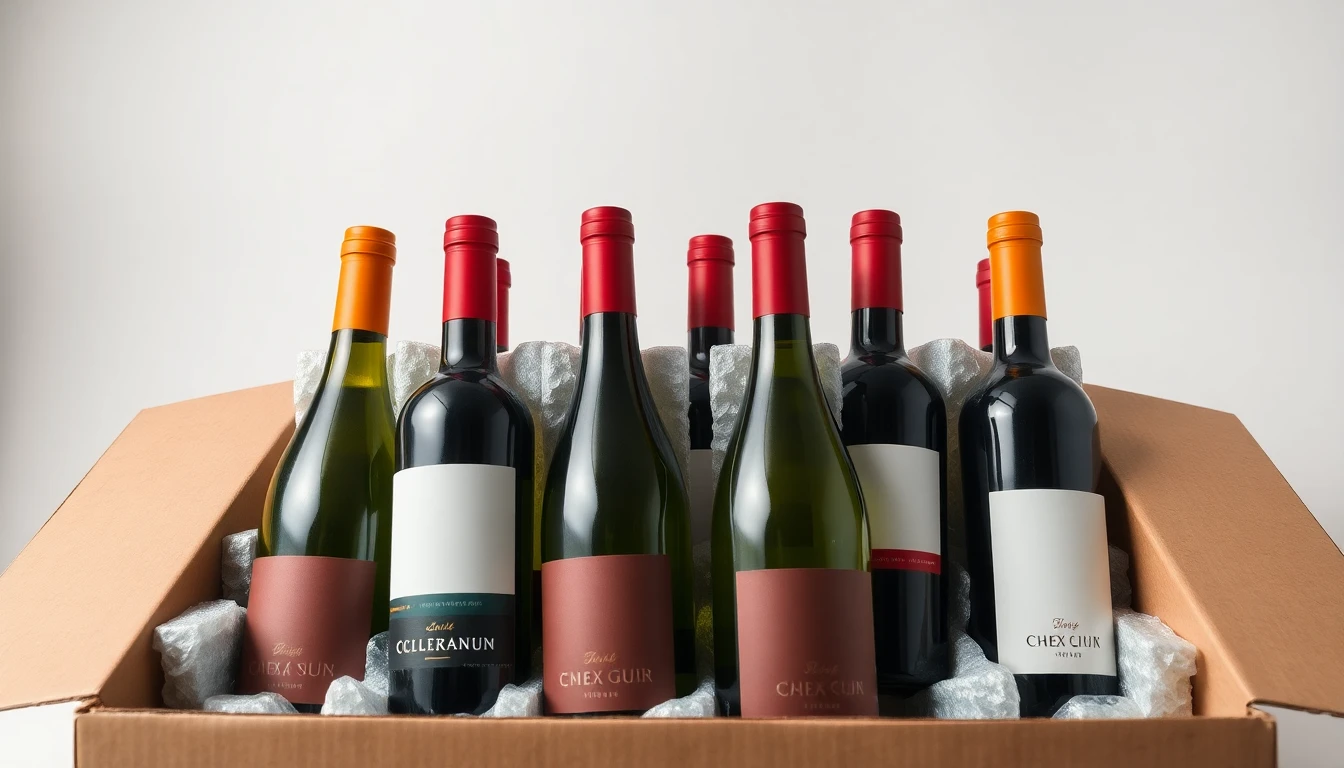
- Use molded shipping containers. Purpose-built wine shipping boxes use molded pulp or foam inserts that hold each bottle in its own cell, keeping bottles from touching each other or the box wall.
- Match the count. Boxes come sized for one, three, six, or twelve bottles — use a container sized to the order so nothing shifts.
- Choose a sturdy outer box. A double-walled corrugated box stands up to the weight of multiple bottles and the handling of shipping.
A right-sized, well-built container does most of the protective work before cushioning is even added.
Cushioning and Protecting the Bottles
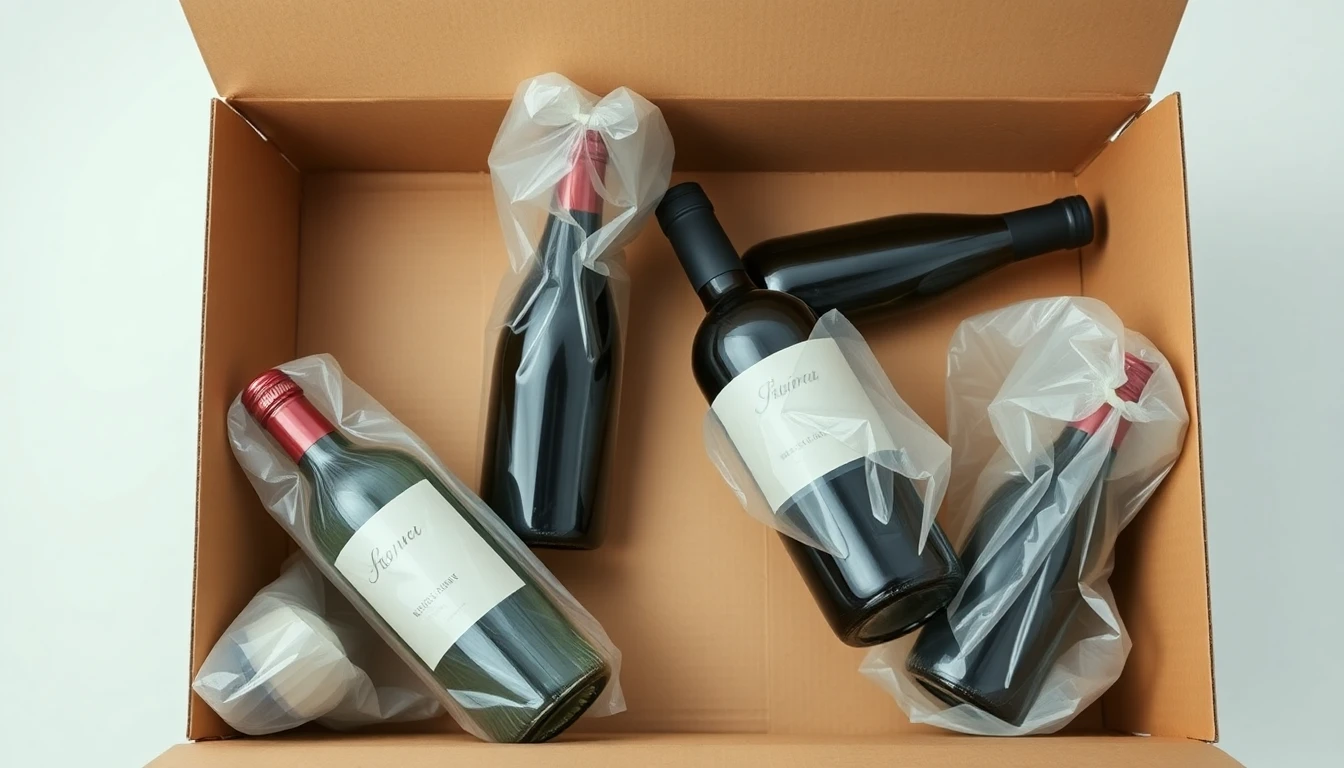
Inside the container, cushioning immobilizes the bottles and absorbs the shocks of transit.
- Air cushions and inflated bottle sleeves wrap each bottle in a protective layer of air that absorbs impact while adding almost no weight — the cleanest protection for glass bottles. AIRFILL's beverage packaging is built specifically to cushion bottles in transit.
- Bubble wrap is a useful individual wrap when an inflated sleeve isn't used; wrap each bottle separately so glass never touches glass.
- Fill the voids. Any empty space lets bottles move, so fill gaps with air pillows until nothing shifts.
For protection that scales to volume without scaling weight, air-filled beverage packaging beats bulky alternatives — see our air pillow packaging guide for how air cushioning protects fragile goods.
Wine Shipping Supplies You'll Need
Before you pack, gather your supplies so the line keeps moving:
- A molded wine shipping box or container sized to the order
- Inflated air bottle bags or bubble wrap for each bottle
- Air pillows for void fill
- Strong packing tape and the carrier's alcohol label
Keeping these supplies in stock means a winery or retailer can pack shipments on demand instead of scrambling per order — and buying packaging supplies in volume helps save on cost per shipment as you grow.
How to Pack Wine for Shipping Step by Step
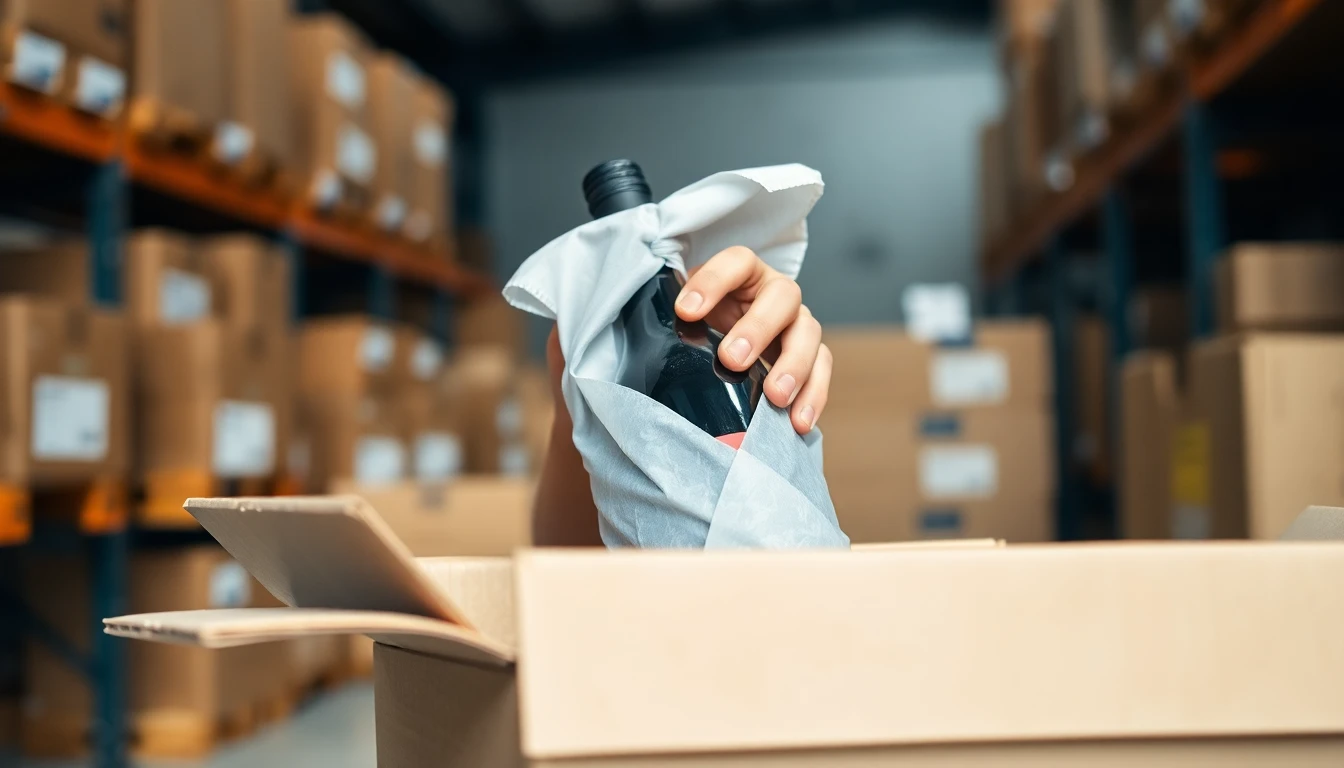
The best way to pack wine for shipping, in order:
- Wrap or sleeve each bottle. Use an inflated air sleeve or bubble wrap so each bottle is individually protected.
- Seat bottles in the molded insert. Place each wrapped bottle in its own cell in the container.
- Fill remaining voids with air pillows so nothing can move.
- Add a top layer of cushioning before closing.
- Seal with strong tape in an H-pattern across every seam.
- Label clearly and apply any required alcohol-shipment markings.
- Shake test — if you hear movement, add more fill before it ships.
Shipping Beer, Spirits, and Other Beverages
The same principles apply across alcoholic beverages. To ship beer, protect cans and bottles against both breakage and leaks — beer's carbonation makes pressure and temperature swings a factor. Spirits ship much like wine: heavy glass bottles that need individual wrap, a molded container, and void fill. Whatever the beverage, the goal is identical — no bottle touches another, nothing moves, and liquid stays sealed in transit.
Carriers, Licensing, and Delivery
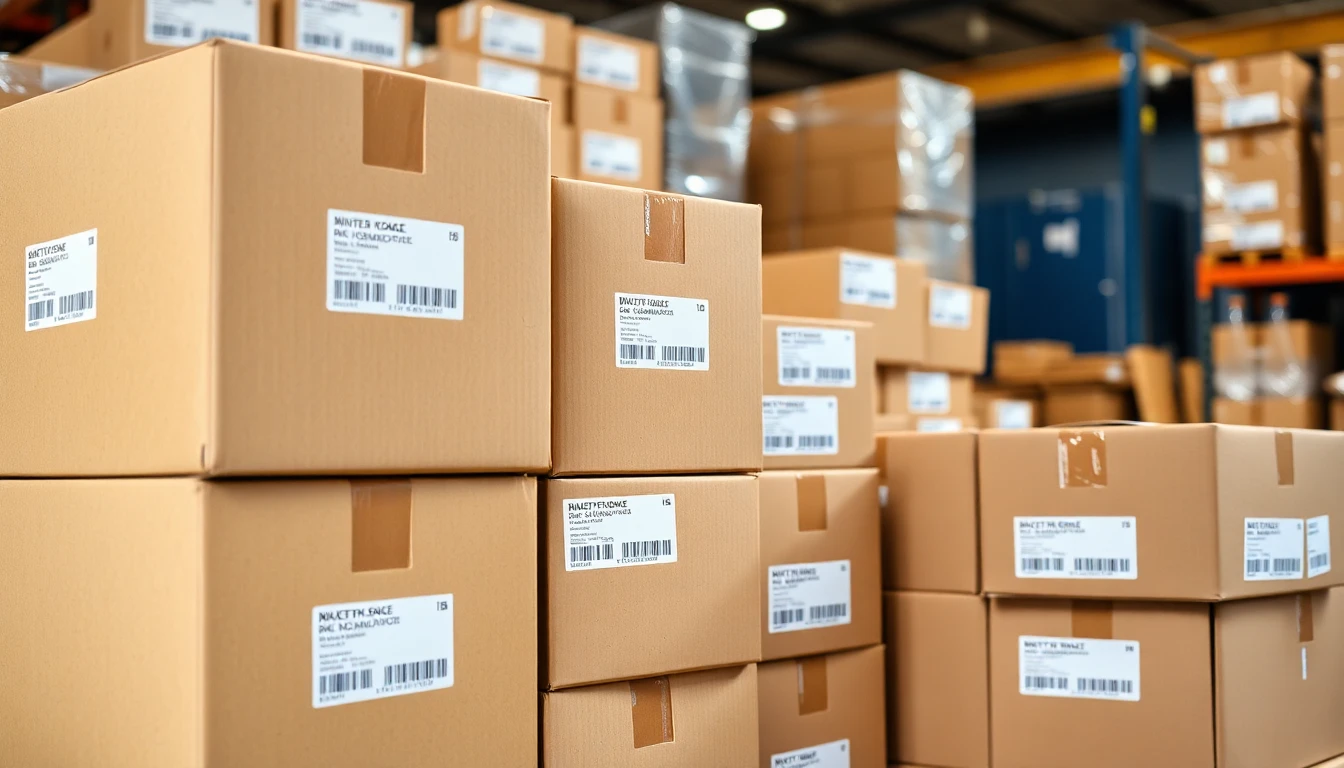
Wine and alcohol ship through carriers' dedicated alcohol programs. UPS and FedEx both run approved alcohol programs, and an account in good standing as a licensed shipper is required — neither UPS nor FedEx knowingly accepts alcohol shipments from unlicensed senders. UPS is the carrier most wine shippers build their shipments around, with FedEx a common second; both require an alcohol agreement on the account before the first package moves. A few delivery essentials for every wine package:
- Adult-signature delivery is typically required, so the package can't be left unattended.
- Use the carrier's alcohol label and a clear shipping label on every package, sealed with strong tape.
- Plan delivery timing. Avoid shipping into extreme heat or long weekend transit that leaves wine shipments sitting on a truck.
- Pick the service level that limits time in transit for valuable or temperature-sensitive shipments.
- Track every shipment. High-value wine shipments warrant tracking and insurance so a lost package is covered.
Because both UPS and FedEx rules and individual state laws change, confirm the current requirements for each shipment — what shipped fine last year may need a different label or program today.
Temperature and Timing Considerations
Wine is sensitive to heat. Extreme temperatures can cook a bottle or push the cork, so many wine shippers pause shipments during peak summer or use insulated packaging and faster service in hot months. Build temperature into your shipping calendar the same way you build in packaging — it protects the product the cushioning can't.
Common Mistakes When Shipping Wine
The fastest way to learn how to ship wine is to avoid the errors that cause most broken shipments:
- Shipping without a license. Trying to ship alcohol as an unlicensed sender gets the package refused — confirm you're a licensed shipper first.
- Using a generic box. A plain box without a molded insert lets bottles knock together; purpose-built wine shipping boxes are worth it.
- Letting glass touch glass. Each bottle needs its own wrap or inflated bag so no two bottles contact.
- Leaving voids. Empty space is where breakage happens — fill it so nothing in the package moves.
- Ignoring the liquid risk. One cracked bottle leaks liquid into the whole shipment; protection isn't just about the bottle that breaks, it's about the ones beside it.
- Skipping temperature planning. Heat ruins wine even when the glass survives.
A winery or retailer that packs the same careful way on every shipment — proper license, molded box, individual bottle protection, full void fill, sealed with tape — sees breakage and claims drop to near zero.
The AIRFILL Approach to Beverage Shipping
AIRFILL designs air-filled beverage packaging built to protect wine, beer, and spirits in transit — inflatable bottle protection that cushions glass, keeps liquid secure, absorbs shock, and adds almost no shipping weight, available in curbside-recyclable EcoGuard options. We help wineries, retailers, and distributors ship bottles to customers across the country with fewer breakages and lower damage claims, whether you store inventory or ship to order. Note that the right protection pays for itself the first time a shipment that would have broken arrives intact.
If breakage or bulky packaging is costing your beverage shipments, the next step is simple: talk to a packaging specialist for a free consultation, and we'll match the right bottle protection to what you ship — no commitment required.
Frequently Asked Questions
Can I ship wine as a private individual?
Generally no. Only licensed wine shippers — wineries, retailers, and distributors — can legally ship wine, and rules vary by state. Consumers should buy from a licensed shipper who handles compliance.
What is the best way to pack wine for shipping?
Use a molded wine shipping box that holds each bottle separately, wrap or sleeve every bottle, fill all voids with air cushioning, and seal in a sturdy double-walled outer box.
How do I keep wine bottles from breaking in transit?
Eliminate movement and absorb shock: a molded container, individual bottle protection, and air pillows filling every gap so no bottle touches another or the box wall.