
The rapid shift to remote work has fundamentally transformed how companies manage their IT assets. With over 42% of the U.S. workforce now working remotely full-time, organizations face unprecedented challenges in retrieving equipment from departing employees scattered across different locations. This has made enterprise laptop return programs not just convenient but essential for maintaining security, compliance, and operational efficiency.
Modern enterprise laptop return programs have evolved far beyond simple shipping solutions. They now represent comprehensive asset management ecosystems that integrate advanced packaging technologies, automated workflows, and robust security protocols. The most innovative programs are leveraging air-filled packaging solutions that reduce environmental impact by up to 75% while providing superior protection and cost savings.
This transformation isn’t just about logistics—it’s about reimagining how organizations protect their investments, maintain data security, and demonstrate environmental responsibility in an increasingly distributed business landscape.
What Are Enterprise Laptop Return Programs
Enterprise laptop return programs are comprehensive services that manage the retrieval of corporate laptops from remote employees during offboarding or equipment refresh cycles. These programs have become the backbone of modern asset management, providing end-to-end solutions that include prepaid shipping, secure packaging, tracking, and data destruction services.
Today’s leading programs serve over 8,000+ companies, helping them streamline device returns from distributed workforces without the traditional headaches of coordinating individual shipments. Employees can easily request a return through an online portal, making the process efficient. These services integrate seamlessly with HR and IT workflows to automate return processes and reduce administrative burden on internal teams.
The scope of modern employee laptop return services extends well beyond laptops themselves. Most companies now require solutions that support various device types, including monitor returns, tablets, and mobile devices. This comprehensive approach ensures that all its assets are properly recovered, tracked, and processed according to corporate policies and regulatory requirements.
A well-designed laptop retrieval service eliminates the complexity that previously made equipment return a time-consuming process for both employees and IT departments. Instead of requiring departing employees to source their own packaging and arrange shipping, these programs provide everything needed for secure transport, from tamper-evident containers to prepaid shipping labels with expedited delivery options.
The business value extends beyond convenience. Organizations using structured return programs report significantly higher recovery rates compared to ad-hoc processes, with some achieving 95%+ return compliance for critical equipment. This level of success stems from removing friction from the return process while maintaining clear accountability throughout the asset lifecycle.
The Critical Role of Advanced Packaging in Modern Return Programs
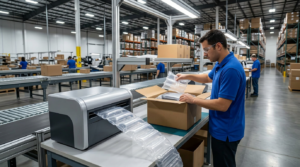
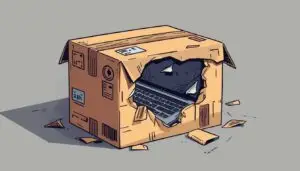
Traditional molded foam and bubble wrap packaging create excessive waste and storage challenges for enterprise return programs. These outdated materials require significant warehouse space, generate substantial disposal costs, and often fail to provide adequate protection for sensitive computer equipment during transit.
Air-filled packaging technologies represent a modern alternative that addresses these limitations while delivering superior results. These innovative solutions reduce environmental impact by up to 75% compared to traditional void-fill materials, supporting corporate sustainability initiatives and ESG reporting requirements. Selecting the appropriate laptop box is also crucial for secure and efficient shipping, ensuring laptops are well-protected when employees leave or equipment needs to be returned.
The operational advantages of customizable air-filled solutions extend beyond environmental benefits. These systems provide superior protection while minimizing package size and shipping costs—a critical consideration when processing thousands of device returns annually. On-demand inflation systems allow return centers to optimize packaging for each specific laptop model and shipping distance, ensuring maximum protection with minimal material usage.
Innovative packaging also enhances brand experience during the return process, reflecting positively on corporate sustainability initiatives. When remote workers receive professionally designed return kits with minimal environmental footprint, it reinforces the organization’s commitment to responsible business practices even during employee transitions.
Sustainability Benefits of Modern Packaging Solutions
Air-filled packaging reduces material usage by 90% compared to traditional foam inserts while maintaining protective qualities that prevent device damage during shipping. This dramatic reduction in materials directly supports corporate green initiatives and provides measurable data for ESG reporting requirements.
The environmental advantages compound throughout the logistics chain. Reduced package weight lowers carbon emissions during shipping and transportation, while the elimination of molded packaging reduces warehouse storage requirements and operational complexity. For organizations processing hundreds or thousands of laptop returns annually, these efficiency gains translate to substantial cost savings and environmental impact reduction.
Advanced packaging solutions also support circular economy principles by enabling higher recovery rates for returned devices. When laptops arrive undamaged due to superior protection, they retain more value for refurbishment, resale, or donation programs. This creates a positive feedback loop where better packaging leads to better asset recovery, which supports more sustainable business practices.
Many organizations find that highlighting their use of sustainable packaging technologies in their return communications helps maintain positive relationships with departing employees while reinforcing corporate values. This attention to detail during offboarding can influence former employees’ recommendations and overall perception of the organization.
Core Components of Enterprise Return Programs
Effective enterprise laptop return programs integrate multiple components to ensure secure, efficient asset recovery. The foundation begins with secure shipping containers that feature tamper-evident materials and proper cushioning explicitly designed for high-value IT assets. These containers must protect sensitive equipment while providing clear evidence of any unauthorized access attempts.
Prepaid return labels with expedited shipping options minimize asset exposure time and reduce security risks associated with extended transit periods. Leading programs offer multiple shipping carriers and service levels, allowing organizations to balance cost considerations with security requirements based on device value and data sensitivity.
Real-time tracking systems provide comprehensive visibility from pickup through delivery and processing. These systems integrate with existing asset management platforms to automatically update inventory records and trigger downstream processes like data destruction or refurbishment workflows. The tracking capabilities extend beyond simple shipment monitoring to include chain of custody documentation and processing status updates. Additionally, these systems provide updates when equipment has been shipped and allow organizations and employees to monitor the status of devices during transit.
Automated employee communications ensure consistent messaging throughout the return process. This includes shipping notifications, tracking updates, and return reminders that reduce non-compliance rates. Programs also send reminders to employees to ensure timely equipment return and improve overall compliance. The most effective programs use multiple communication channels and escalation procedures to maintain contact with departing employees until the equipment is successfully recovered.
Data destruction services compliant with NIST 800-88 and Department of Defense standards represent a critical component that many organizations cannot handle internally. Professional services provide certified data wiping for devices that will be refurbished, along with physical destruction for drives containing highly sensitive information. These services include detailed certificates of destruction required for compliance reporting.
Asset disposition options, including refurbishment, resale, and certified recycling, maximize value recovery from returned equipment. Organizations can specify disposition preferences based on device condition, age, and corporate policies. Leading programs provide detailed reporting on asset values recovered through resale or donation programs, helping organizations calculate the total cost of ownership and demonstrate stewardship of corporate resources.
Security and Compliance Considerations
Chain of custody documentation ensures accountability throughout the return process, providing the detailed audit trails required for regulatory compliance and internal security policies. By delivering transparency at every stage, organizations can ensure clear visibility and accountability, which is essential for compliance and building trust. This documentation tracks each device from initial shipping through final disposition, creating an immutable record of asset handling and processing.
Secure packaging materials play a crucial role in preventing tampering and protecting sensitive corporate data during transit. Modern packaging solutions incorporate tamper-evident seals and tracking technologies that immediately alert security teams to any unauthorized access attempts. This level of protection is essential when dealing with devices that may contain confidential business information or personal data.
Insurance coverage for high-value assets during transit and processing provides financial protection against loss or damage. Leading service providers offer comprehensive coverage options that can be tailored to specific asset values and risk profiles. This insurance typically covers the full replacement cost of devices, providing peace of mind for organizations shipping expensive equipment.
Compliance with industry regulations, including HIPAA, SOX, and international data protection laws, requires specialized expertise that most organizations lack internally. Professional return services maintain current certifications and follow established protocols to ensure all processing meets regulatory requirements. This expertise becomes particularly valuable for organizations operating across multiple jurisdictions with varying data protection requirements.
Background-checked personnel handling device processing and data destruction provide an additional layer of security assurance. Reputable service providers conduct thorough background investigations on all staff members who have access to customer equipment and data. This screening process typically includes criminal background checks, employment verification, and ongoing monitoring to maintain security clearances.
Audit trails and certificates of destruction support regulatory compliance reporting by providing the detailed documentation required for various industry standards. These records include specific details about data destruction methods, verification procedures, and final disposition of all materials. The documentation is designed to satisfy the most stringent audit requirements and can be integrated with existing compliance management systems.
Operational Efficiency and Cost Optimization
Streamlined logistics reduce return processing time from weeks to 3-5 business days, dramatically improving asset recovery speed and reducing security exposure windows. This acceleration comes from eliminating manual coordination steps and leveraging automated workflows that trigger immediately upon employee separation, ensuring equipment is retrieved quickly and securely.
Bulk shipping discounts and optimized packaging reduce per-device return costs by 40-60% compared to ad-hoc return processes. These savings result from negotiated carrier rates, consolidated shipments, and efficient packaging systems that minimize dimensional weight charges. For organizations processing large volumes of returns, these cost reductions can amount to significant annual savings.
Automated workflows eliminate manual coordination between IT, HR, and departing employees, reducing administrative overhead while improving consistency and compliance. These systems integrate with existing HR information systems to automatically initiate return processes, generate shipping materials, and track completion status without requiring manual intervention.
Scalable pricing models support both single device returns and bulk equipment refreshes, allowing organizations to optimize costs based on actual usage patterns. When evaluating the cost of different return solutions, organizations should consider both direct expenses—such as data recovery, replacement, and shipping—and indirect costs, including lost employee productivity. Leading providers offer tiered pricing that rewards higher volumes while providing cost-effective solutions for smaller organizations or seasonal fluctuations in return activity.

Integration capabilities with existing ITSM platforms, including ServiceNow and Jira, ensure that laptop returns integrate seamlessly with broader IT service management processes. These integrations automatically update asset records, trigger downstream workflows, and provide real-time status updates to relevant stakeholders without requiring manual data entry or status checking.
Performance analytics provide insights into return rates, costs, and process optimization opportunities that help organizations continuously improve their asset management practices. Tracking the return rate enables organizations to monitor the percentage of assets successfully recovered, identify areas for improvement, and implement strategies to reduce losses and improve asset recovery and cost savings. These analytics identify patterns in device conditions, processing times, and cost drivers that inform future policy decisions and vendor negotiations.
Modern Packaging Economics
Air-filled packaging systems reduce material costs by 65% while improving protection levels compared to traditional packaging materials. This cost reduction stems from using less material per package while providing superior cushioning and protection characteristics—the economic benefits compound when processing high volumes of returns.
Customizable inflation allows right-sizing packages, reducing dimensional weight charges that can significantly impact shipping costs for oversized packages. This capability enables return centers to optimize packaging for each specific device configuration, minimizing costs while maintaining protection standards.
Operational efficiency gains from eliminating pre-formed packaging inventory and storage requirements result in reduced facility costs and operational complexity. Air-filled packaging ships flat and inflates on demand, eliminating the need to maintain an inventory of various-sized containers and reducing warehouse space requirements.
Reduced damage rates translate to lower replacement costs and improved asset recovery values. When devices arrive undamaged, they retain higher resale value and require less refurbishment investment. This improvement in asset condition directly impacts the total cost of ownership calculations for corporate device programs.
Implementation Best Practices for Enterprise Programs
Establishing clear return policies that define timeframes, employee responsibilities, and non-compliance consequences provides the foundation for successful laptop retrieval programs. Employers play a crucial role in managing and enforcing these policies to ensure accountability and a smooth offboarding. These policies should specify exact procedures, deadlines, and escalation steps while clearly communicating the consequences of failing to return equipment promptly.
Selecting service providers requires careful evaluation of comprehensive solutions, including packaging innovation and sustainability commitments. Organizations should assess providers based on their ability to integrate seamlessly with existing systems, meet stringent security requirements, and demonstrate tangible environmental benefits. The evaluation process should include pilot programs that test service quality and integration capabilities.
Implementing automated tracking systems provides real-time visibility to IT and HR teams while reducing manual monitoring requirements. These systems should integrate with existing asset management platforms and provide dashboard views that enable proactive management of outstanding returns and identification of potential issues before they become problems.
Designing employee communication workflows ensures clear instructions and timely reminders that maximize return compliance rates. Effective communication strategies use multiple channels, provide clear step-by-step instructions, and include escalation procedures for unresponsive employees. The communications should emphasize both corporate policies and individual responsibilities. Remind employees to back up their data before returning devices to avoid losing important information during the transition.
Planning for scalability supports both routine returns and large-scale equipment refresh initiatives that may dramatically increase return volumes during specific periods. Service providers should demonstrate the ability to handle volume fluctuations without compromising service quality or processing times. This capability becomes critical during office relocations, merger activities, or technology refresh cycles.
Evaluating packaging solutions based on protection, sustainability, and operational efficiency criteria ensures that packaging choices align with broader corporate objectives. This evaluation should consider the total cost of ownership, environmental impact metrics, and integration requirements with existing logistics processes.
Technology Integration and Automation
API integrations enable automated return initiation based on HR system triggers, eliminating manual steps that can cause delays or oversights in the return process. These integrations can automatically generate return requests when employees are terminated, transferred, or flagged for equipment refresh, ensuring immediate action without requiring manual intervention. AI-powered systems can also determine the best way to ship equipment to and from remote workers, streamlining logistics for both offboarding and onboarding scenarios.
QR code systems enable drop-off at over 5,000 UPS locations without requiring boxes or labels, simplifying the return process for remote employees while maintaining tracking and security protocols. This convenience factor significantly improves compliance rates by reducing barriers to returning equipment, particularly for employees who may not have easy access to shipping facilities. For the remote worker, QR code-based returns make it easy to ship company assets back from any location, supporting a seamless offboarding experience.
Mobile applications provide employees with return status updates and instructions, improving communication and reducing support burden on IT and HR teams. These applications can send push notifications for important milestones, provide tracking information, and offer troubleshooting support for everyday issues during the return process.
Analytics dashboards track return completion rates, costs, and processing times, providing the data needed to optimize processes and demonstrate program value to senior management. These dashboards should give real-time visibility into key performance indicators, while also supporting drill-down analysis of trends and issues.
Integration with asset management systems enables automated inventory updates that maintain accurate records without manual data entry. This integration ensures that asset databases reflect the current status throughout the return process, supporting accurate reporting and enabling efficient asset lifecycle management.
AI-powered logistics optimization can automatically select optimal packaging configurations and shipping routes based on device type, destination, and cost parameters. These systems can also automatically select the best way to ship equipment to and from remote workers, including international shipping and bulk shipments, ensuring reliable and cost-effective delivery. This optimization capability continuously improves efficiency by learning from historical data and adjusting recommendations to minimize costs while maintaining service levels.
Addressing Remote Workforce Challenges
Simplified return processes accommodate employees in various geographic locations by providing consistent service levels regardless of employee location. This consistency requires carrier networks that provide reliable service to rural and suburban areas while maintaining the same security and tracking capabilities available in urban centers.
Flexible pickup options, including scheduled home collection and convenient drop-off locations, address the diverse needs of a distributed workforce. Some employees may prefer home pickup for convenience, while others may find drop-off locations more practical based on their schedules and locations. Offering multiple options maximizes compliance rates.
International shipping capabilities support global distributed teams by providing return services that comply with various customs and regulatory requirements. These capabilities must address complex logistics challenges including customs documentation, duties and taxes, and compliance with international data protection regulations.
Multiple communication channels ensure all employees receive return instructions regardless of their preferred communication methods or access to corporate systems. This may include email, text messaging, postal mail, and phone calls, with escalation procedures that use alternative methods if initial communications are unsuccessful.

Backup procedures for unresponsive employees and equipment recovery escalation provide systematic approaches to address non-compliance situations. These procedures should include escalation timelines, alternative contact methods, and legal guidelines for equipment recovery when necessary. Clear documentation of these efforts supports potential legal action if required.
Loaner device programs maintain productivity during equipment transitions by providing temporary equipment to employees who require continuous access to corporate systems. These programs are crucial for employees who are transitioning between roles or locations rather than leaving the organization entirely.
Employee Laptop Return Experience
The employee laptop return experience is a pivotal element in managing remote employees and safeguarding company assets. For remote workers, returning a laptop or other equipment can be a source of stress—especially if the process is unclear, time-consuming, or lacks support. A modern laptop retrieval service transforms this experience by making the laptop return process straightforward, secure, and efficient.
Companies that prioritize a positive employee laptop return experience provide remote employees with clear, step-by-step instructions, user-friendly prepaid shipping labels, and access to real-time tracking. This not only streamlines the retrieval of laptops and other devices but also reduces the risk of lost equipment and data breaches. By ensuring that every laptop return is handled with care and transparency, organizations can protect sensitive data and minimize the risk of security incidents.
A seamless laptop retrieval process also demonstrates a company’s commitment to its remote workforce. When employees feel supported during transitions—whether they are leaving the company or simply upgrading equipment—they are more likely to comply with return requests promptly. This reduces retrieval costs, shortens the return cycle, and helps maintain high return rates for valuable assets.
Moreover, providing a secure and efficient laptop return service can enhance overall employee satisfaction. Remote employees appreciate it when companies make it easy to fulfill their responsibilities, especially when it comes to returning laptops and other equipment. This attention to the employee experience can reduce turnover rates and foster positive relationships, even after an employee has left the organization.
Ultimately, a well-designed employee laptop return process is not just about logistics—it’s about reducing risk, controlling costs, and building trust with remote employees. By investing in a robust laptop retrieval service, companies can ensure that their assets are returned safely, their data remains secure, and their remote workforce feels valued and supported.
Asset Lifecycle Management
Effective asset lifecycle management is essential for organizations with remote employees, as it provides a structured approach to tracking, managing, and securing IT assets from deployment to final disposition. Hardware asset management goes beyond simply issuing laptops and monitors—it encompasses the entire journey of computer equipment, ensuring that every device is accounted for, maintained, and eventually retrieved or retired in a secure and compliant manner.
By leveraging asset management software and API integration, companies can gain real-time visibility into the status and location of all their IT assets, including laptops, monitors, and other computer equipment. This level of oversight is crucial for maintaining data security, especially when sensitive data is stored on devices used by remote employees. Automated tracking and management systems help organizations quickly identify which assets are due for return, which are in use, and which require maintenance or replacement.
A comprehensive asset lifecycle management strategy also enables companies to optimize costs by identifying underutilized equipment, streamlining the laptop return process, and reducing unnecessary shipping expenses. Data analytics can reveal patterns in asset usage and return rates, allowing organizations to make informed decisions about procurement, support, and asset disposal options.
Managing the asset lifecycle effectively also supports compliance with data security regulations. By ensuring that all devices are properly tracked, returned, and securely wiped or destroyed at the end of their lifecycle, companies can mitigate the risks associated with lost or stolen equipment and potential data breaches. This is especially important for remote employees, where the risk of losing track of assets is higher.
In addition, asset lifecycle management provides essential support for remote employees by ensuring they have access to the right equipment when they need it. Proactive management of laptops and other devices helps maintain productivity and reduces downtime, while also protecting the company’s investment in IT assets.
In summary, prioritizing asset lifecycle management allows companies to manage their remote workforce more effectively, safeguard sensitive data, and control costs throughout the entire lifecycle of their IT assets. By integrating advanced software, real-time tracking, and robust processes, organizations can ensure that their computer equipment is always secure, accounted for, and ready to support business needs.
Future Trends in Enterprise Return Programs
Increased adoption of sustainable packaging technologies driven by corporate ESG initiatives will continue to reshape the industry landscape. Organizations are increasingly requiring measurable environmental benefits from their service providers, driving innovation in biodegradable materials, recyclable packaging, and carbon-neutral logistics options.
AI-powered predictive analytics will optimize return logistics and packaging selection by analyzing historical data, device characteristics, and shipping patterns to recommend optimal configurations. These systems will continuously learn from outcomes to improve recommendations and reduce costs while maintaining protection standards.
Blockchain technology will provide an immutable chain of custody records for compliance purposes, addressing increasing regulatory requirements for detailed audit trails. This technology will enable real-time verification of asset handling and processing while providing tamper-proof documentation for compliance reporting.
IoT-enabled packaging will provide real-time environmental monitoring during shipping, alerting teams to temperature, humidity, or impact events that could affect device condition. This monitoring capability will enable proactive intervention when necessary and provide detailed documentation of shipping conditions for warranty and insurance purposes.
Integration with circular economy initiatives will maximize device lifecycle value by connecting return programs with refurbishment, donation, and recycling networks. These integrations will enable more sophisticated asset disposition decisions based on market conditions, device characteristics, and corporate sustainability objectives.
Advanced data analytics will identify patterns to reduce future return volumes and improve employee satisfaction by analyzing the causes of equipment returns and identifying opportunities to extend device lifecycles. This analysis will inform procurement decisions, support policies, and training programs that reduce unnecessary returns while maintaining productivity.
The evolution toward more sophisticated, sustainable, and automated enterprise laptop return programs reflects broader trends in corporate responsibility, operational efficiency, and technology integration. Organizations that embrace these advances will gain competitive advantages through reduced costs, improved compliance, and enhanced sustainability performance.
Modern packaging solutions, particularly air-filled technologies, represent a critical enabler of these improvements by providing superior protection, reduced environmental impact, and operational efficiency gains that support the broader transformation of enterprise asset management practices.
As remote work continues to reshape the business landscape, organizations that invest in comprehensive, technology-enabled return programs will be better positioned to manage their distributed assets while maintaining security, compliance, and cost effectiveness in an increasingly complex operating environment.