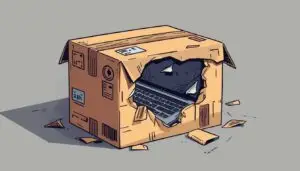
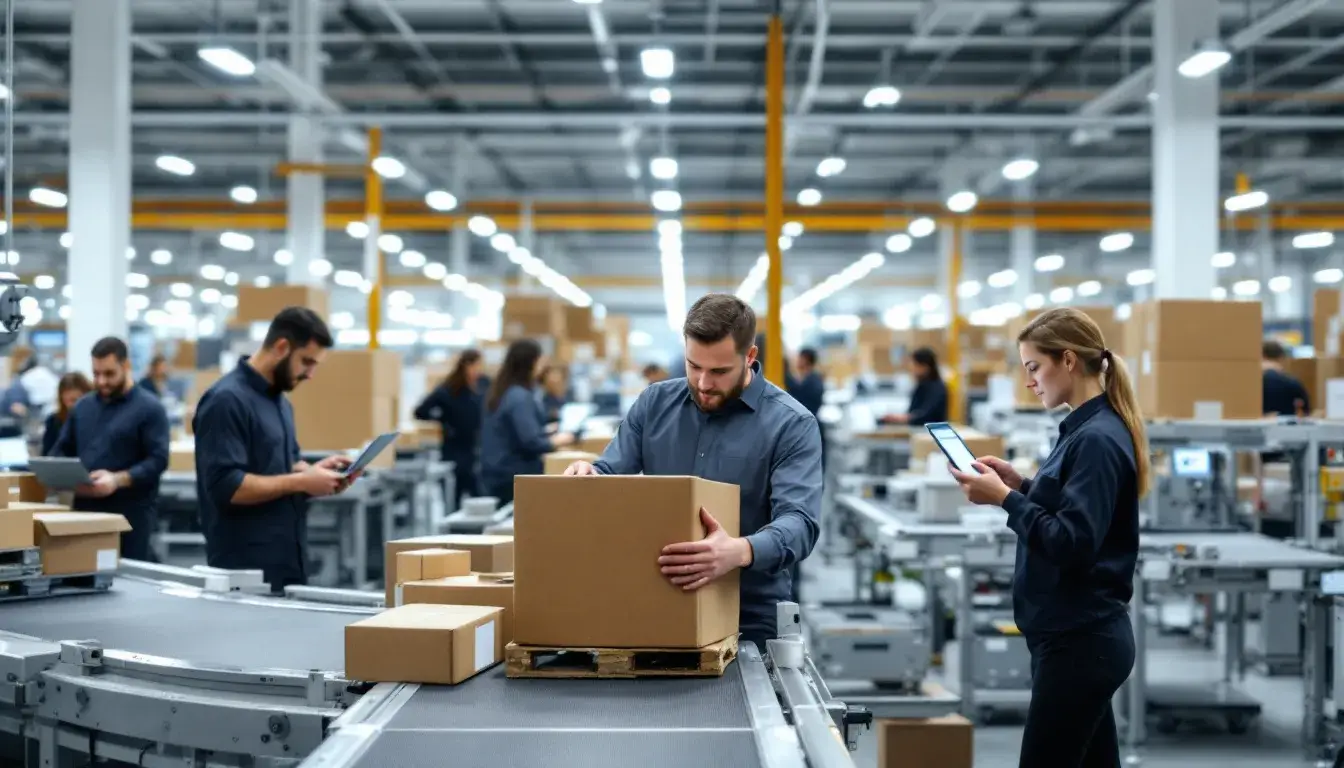
Laptop returns represent one of the most complex challenges in e-commerce operations, with return rates averaging 12-15% in electronics e-commerce and damage during shipping being a leading cause of total product loss. Unlike typical product returns, laptop return management involves high-value items that require specialized handling, data security protocols, and sophisticated reverse logistics systems.
The stakes are particularly high in laptop returns. Each damaged return can result in losses of $150-400, while poor return processes directly impact customer satisfaction and brand reputation. With laptop sales continuing to grow and customer expectations for seamless return experiences rising, mastering e-commerce laptop return management has become essential for sustainable business success.
This comprehensive guide explores every aspect of laptop return management, from understanding core challenges to implementing cutting-edge packaging solutions that can reduce damage rates by up to 40%. We’ll examine the technology, processes, and partnerships that leading e-commerce businesses use to transform returns from a cost center into a competitive advantage. The guide presents a comprehensive solution for e-commerce laptop return management, integrating logistics, customer service, and technology to streamline operations and enhance the customer experience.
Introduction to E-commerce Returns
E-commerce returns are an unavoidable aspect of running an online store, with industry data showing that nearly 30% of all online purchases are eventually returned. For e-commerce businesses, this presents both a challenge and an opportunity. An effective returns management solution is essential for maintaining customer satisfaction and turning what could be a potential pain point into a positive post-purchase experience. By implementing a robust returns management system, businesses can streamline the returns process, reduce operational costs, and foster customer loyalty. A well-designed returns process not only helps in managing returns efficiently but also demonstrates a commitment to customer care, which is crucial for maintaining customer satisfaction and encouraging repeat business. Ultimately, a strategic approach to ecommerce returns can transform returns from a cost center into a driver of customer loyalty and long-term success.
Understanding E-commerce Laptop Return Management
E-commerce laptop return management encompasses the entire process of handling laptop returns, from the initial customer request through to final disposition. This specialized form of returns management addresses the unique complexities that laptops present compared to returns of general merchandise. For an e-commerce business, these challenges include integrating returns management solutions with existing systems to streamline operations and reduce costs.
The importance of effective laptop return management cannot be overstated. Statistics show that laptop return rates average 12-15% in electronics ecommerce, significantly higher than the 7-10% average for general electronics. Damage during shipping emerges as a leading cause of these elevated return rates, with up to 8% of laptop returns arriving damaged and unsaleable.
Key differences between laptop returns and general product returns create specific operational challenges. Laptops represent high-value assets that depreciate quickly, making time-sensitive processing crucial. Their fragility requires specialized packaging and handling procedures, while data security concerns demand secure wiping protocols and regulatory compliance measures that don’t apply to most other products.
When managed effectively, laptop return management significantly impacts both customer satisfaction and business profitability. Streamlined returns benefit both you and your customers by making the process faster, more transparent, and less costly. Companies with streamlined returns processes see 15-20% improvements in customer satisfaction scores, while proper damage prevention can save $150-400 per unit that would otherwise be written off as total loss.
The returns management process for laptops involves multiple touchpoints where customer experience can be enhanced or damaged. Efficiently handling returned items at each stage is essential to maximizing value recovery and customer satisfaction. From the initial return request through the final refund processing, each step presents an opportunity to build customer loyalty or create frustration that drives customers to competitors.
Significant Challenges in Laptop Return Management
High shipping costs present the first significant challenge in managing laptop returns. Due to laptop weight and value, return shipments typically require expedited, insured shipping that can cost $25-45 per return compared to $8-15 for lighter products. These elevated shipping costs directly impact the economics of return processing and often surprise businesses new to electronics ecommerce. Integrating returns management into the supply chain is crucial for optimizing efficiency and reducing costs associated with shipping and logistics.
Damage during return shipping results in devastating losses, with up to 8% of laptop returns arriving damaged and being completely unsaleable. Traditional packaging methods often fail to adequately protect laptops during the return journey, where packages are subject to rough handling and multiple transfers. Each damaged return represents not just the loss of the laptop value, but also customer frustration and potential brand damage.
Data security concerns add layers of complexity not found in typical product returns. Customers may have stored sensitive personal or business information on returned laptops, creating legal obligations for the secure handling of data. Regulations like GDPR, CCPA, and HIPAA impose strict requirements for data destruction, while corporate returns may contain confidential business information requiring specialized handling protocols.
Complex inspection processes determine whether returned laptops can be refurbished and resold or must be disposed of entirely. Unlike simple products that require only visual inspection, laptops need comprehensive testing of hardware components, software functionality, and cosmetic condition. The returns processing for laptops is significantly more complex than for other products, requiring trained technicians and specialized equipment, which adds time and cost to the overall process.
Inventory management complications arise from dealing with high-value, quickly depreciating assets. Laptops lose value rapidly as new models are released, making quick processing essential for maximizing recovery value. The complexity increases when managing returns across multiple laptop models, each with different specifications, accessories, and market values.
Customer frustration with lengthy return processes can directly impact a brand’s reputation and future purchasing decisions. Research shows that 67% of customers check return policies before making electronics purchases, and 92% will avoid companies with poor return experiences. Retail businesses must address these challenges to remain competitive, as in the competitive laptop market, return experience often becomes a key differentiator between brands.
Essential Components of Effective Laptop Return Management
Clear return policies specifically addressing laptops form the foundation of effective return management. These policies must specify 30-day return windows, detailed condition requirements, and explicit data wiping notices. Successful policies address common customer concerns upfront, reducing customer service inquiries and setting proper expectations for the returns process.
Automated return authorization systems streamline initial request processing, reducing response times from hours to minutes. Modern returns management software can automatically validate return eligibility, generate return merchandise authorization (RMA) numbers, and provide customers with immediate confirmation and next steps. Returns management tools play a key role in streamlining the process by enabling easy initiation, label generation, and automation. This automation reduces labor costs while improving customer experience through faster response times.
Secure packaging solutions designed specifically for electronic devices during return shipping represent a critical investment in damage prevention. Traditional packaging methods like bubble wrap and foam inserts provide inadequate protection for laptops during return shipping. Advanced packaging solutions can reduce damage rates from 8% to under 2%, generating substantial cost savings.
Real-time tracking and communication throughout the return journey keep customers informed and reduce anxiety about their return status. Integration between returns management software and shipping carriers enables automatic updates when returns are shipped, received, and processed. This transparency builds trust and reduces customer service inquiries.
Professional inspection and testing procedures upon receipt ensure accurate disposition decisions and maintain quality standards. Comprehensive inspection protocols should cover physical condition, functional testing, data verification, and accessory completeness. These procedures protect against fraud while ensuring only sellable items return to inventory. Leading companies efficiently process returns to reduce costs and improve customer satisfaction.
Efficient refund or exchange processing maintains customer satisfaction during the critical final stage of the returns process. Leading companies process refunds within 3-5 business days of receipt, with real-time updates to customers about processing status. Advanced systems offer customers the choice of direct refunds or exchanges for a seamless experience. Providing direct refunds is crucial for enhancing customer satisfaction and expediting resolution. Quick refund processing often determines whether customers return for future purchases.
E-commerce Returns Policy
A clear and comprehensive ecommerce returns policy is the cornerstone of a positive customer experience. This policy should outline the procedures for returning items, including the acceptable timeframe for returns, the required condition of returned products, and the details of the refund or exchange process. Key features of an effective returns policy include easy-to-follow instructions for initiating returns, instant or prompt refund processing, and seamless integration with inventory management systems to ensure accurate stock levels. By making the exchange process straightforward and transparent, businesses can reduce confusion and frustration, ultimately enhancing customer satisfaction. A fair and flexible returns policy not only builds trust but also reassures customers that their needs will be met, encouraging them to shop with confidence and return for future purchases.
Returns Management Software Solutions for Laptop Retailers
Specialized return management platforms for electronics retailers provide the automation and tracking capabilities essential for efficient laptop return processing. Returns software is specifically designed to streamline these processes, offering robust solutions that meet the needs of high-volume electronics retailers. These platforms go beyond basic return authorization to provide comprehensive solutions addressing the unique complexities of electronics returns.
Key features of effective returns management software include automated RMA generation, carrier integration for seamless shipping label creation, and sophisticated inventory tracking capabilities. An online portal is often included, enabling customers to initiate and track returns effortlessly, thereby enhancing the overall experience. Advanced systems provide real-time visibility into return status, automated customer communications, and integration with existing e-commerce platforms and warehouse management systems.
Integration capabilities represent a crucial consideration when selecting returns management software. The correct returns management software must seamlessly connect with existing e-commerce platforms, warehouse management systems, and accounting software. Poor integration leads to manual data entry, processing delays, and increased error rates.
Cost considerations for returns management solutions typically range from $200 to $2000 monthly, depending on return volume and feature requirements. While this represents a significant investment, ROI calculations consistently show 15-25% reductions in return processing costs with proper software implementation. The best returns management software is a valuable tool that pays for itself through improved efficiency and reduced labor costs.
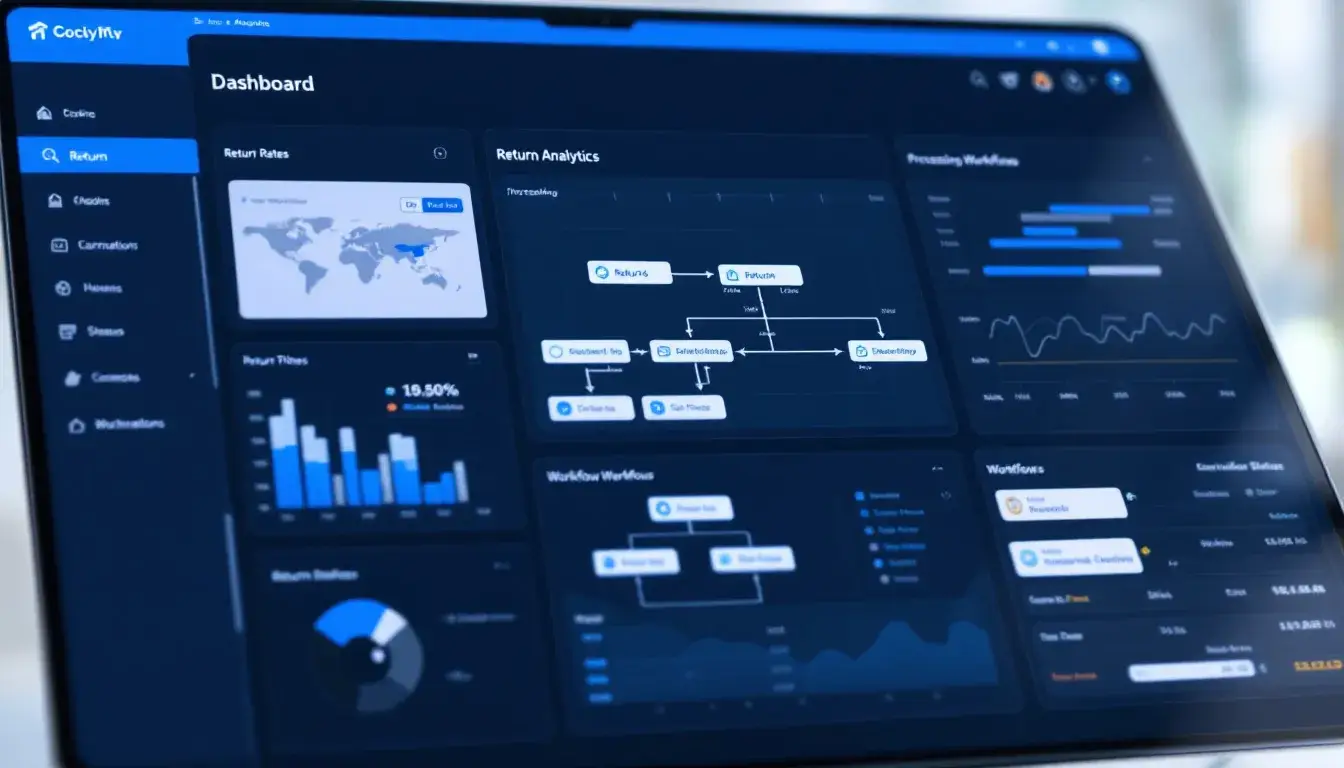
Analytics dashboards within these platforms allow retailers to analyze return trends, such as top return reasons and high-return products, providing actionable insights to inform business decisions and drive process improvements.
The selection process for the correct returns management software should include trial periods with actual return volume to assess performance under real conditions. Leading vendors offer pilot programs that allow evaluation of key features like automated workflows, customer experience, and integration capabilities before making long-term commitments.
Advanced systems provide real-time visibility into return status, with tracking returns as a key feature to ensure accuracy and transparency throughout the process.
ROI calculations should include both direct cost savings from reduced processing time and indirect benefits like improved customer satisfaction and reduced damage rates. Companies typically see payback periods of 6-12 months for returns management tool investments, with ongoing benefits continuing to compound over time.
Implementing a Returns Portal and Label Generation
Introducing a self-service return portal and automated label generation can revolutionize the returns process for both customers and e-commerce businesses. A user-friendly returns portal empowers customers to initiate returns, submit return requests, and track the status of their returns in real time—all from a single online platform. Automated label generation further streamlines the process by allowing customers to instantly print return labels at home, eliminating manual steps and reducing errors. This level of convenience enhances customer satisfaction and encourages customers to initiate returns with confidence, knowing the process will be quick and hassle-free. By leveraging a self-service return portal and automated return labels, businesses can save time, reduce administrative workload, and provide a seamless returns experience that keeps customers coming back.
Packaging Solutions for Laptop Returns
The critical importance of protective packaging to prevent damage during return shipping cannot be overstated in laptop return management. Traditional packaging methods create a false economy where low packaging costs lead to high damage rates and total product losses that far exceed packaging investment.
Traditional packaging methods, including foam inserts, bubble wrap, and rigid boxes, have significant limitations when protecting laptops during return shipping. Foam inserts add weight and bulk, but provide inconsistent protection. Bubble wrap can shift during shipping, leaving laptops exposed to impact damage. Rigid boxes offer protection but at the cost of increased shipping expenses and storage requirements.
Advanced air-filled packaging solutions provide superior protection designed explicitly for fragile electronics like laptops. These innovative systems use precisely controlled air cushions that conform to laptop shapes, providing 360-degree protection against impacts, vibration, and compression forces that occur during shipping.
Airfill Technologies stands out as a trusted partner, delivering innovative air cushion systems specifically designed for laptop protection. Their solutions represent the cutting edge of protective packaging technology, combining superior protection with operational efficiency and environmental sustainability. Integrating shipping labels with these packaging solutions further streamlines the return shipping process, making it easier for both customers and operations teams to handle returned items efficiently.
The benefits of advanced air-filled packaging include remarkable 40% reductions in shipping damage, 60% weight savings compared to traditional materials, and 100% recyclable construction that supports corporate sustainability goals. These improvements translate directly to bottom-line savings through reduced damage claims and improved customer satisfaction.
Customizable solutions for different laptop sizes and shipping scenarios ensure optimal protection regardless of specific product requirements. Airfill Technologies offers tailored configurations that accommodate everything from ultrabooks to gaming laptops, with adjustable protection levels based on shipping distance and handling requirements.
Cost savings through reduced damage claims and improved customer satisfaction make advanced packaging solutions self-funding investments. When damage rates drop from 8% to under 2%, the cost savings from prevented losses far exceed packaging investment, while enhanced customer experience drives repeat business and positive reviews.
Why Air-Filled Packaging Transforms Laptop Returns
Adaptive cushioning that conforms to laptop shape provides 360-degree protection impossible to achieve with traditional packaging methods. Unlike rigid inserts that create pressure points, air-filled packaging distributes impact forces evenly across the laptop surface, preventing localized damage that commonly occurs with conventional packaging.
Shock absorption capabilities exceed traditional packaging by 300%, providing unprecedented protection during the rough handling that packages experience during return shipping. Advanced air cushion technology absorbs and dissipates impact energy that would otherwise transfer directly to the laptop, preventing damage from drops, compression, and vibration.
Lightweight design reduces shipping costs by up to 25% for return shipments compared to traditional protective packaging. This weight reduction becomes particularly significant for laptop returns, where shipping costs are already high due to the product’s value and insurance requirements. Lower shipping weights directly translate to reduced costs and improved environmental impact.
Space-efficient storage for return packaging materials in warehouses addresses a common operational challenge. Air-filled packaging stores flat until needed, requiring 90% less storage space than pre-formed protective inserts. This efficiency becomes crucial for operations managing large volumes of returns with limited warehouse space.
Environmental sustainability, achieved through the use of fully recyclable materials, supports corporate ESG goals while maintaining superior protection performance. As sustainability becomes increasingly important to both consumers and corporate buyers, packaging choices have a direct impact on brand perception and purchasing decisions.

Airfill Technologies’ proven track record with electronics retailers demonstrates real-world success in achieving 95% damage-free returns. Their expertise in packaging design and operational integration ensures superior outcomes for customers looking to reduce damaged returns, minimize shipping costs, and meet environmental targets.
The company’s consultative approach brings deep domain expertise in both packaging design and operational integration. Successful deployments across high-volume electronics ecommerce channels demonstrate their ability to deliver measurable improvements in returns handling, product protection, and customer experience.
Data Security and Compliance in Laptop Returns
Legal requirements for data handling during laptop returns create complex compliance obligations under regulations like GDPR, CCPA, and HIPAA. These regulations impose strict requirements for personal data protection, including secure transportation, professional data destruction, and comprehensive documentation throughout the entire returns process.
Customer notification requirements about data wiping procedures must be clearly communicated during the returns process. Customers need explicit warnings about backing up important data before returning laptops, along with clear statements about data destruction procedures. Failure to provide adequate notice can create legal liability and customer service problems.
Secure transportation protocols prevent data breaches during shipping by requiring encrypted hard drives or physical drive removal for high-sensitivity returns. Corporate and government laptop returns often contain confidential information requiring specialized handling protocols that exceed standard consumer return procedures.
Professional data destruction services and certification requirements ensure compliance with industry standards and regulatory requirements. Certified data destruction provides legal protection while giving customers confidence that their sensitive information receives proper handling throughout the returns management process.
Chain of custody documentation for corporate and government laptop returns creates audit trails that satisfy regulatory and internal compliance requirements. These documentation requirements add complexity to the returns management process but are essential for maintaining business relationships with enterprise customers.
Insurance considerations for high-value laptop returns containing sensitive data require specialized coverage that addresses both product value and data breach liability. Standard shipping insurance may not cover data breach incidents, making specialized coverage essential for comprehensive risk management.
Cost Optimization Strategies
Average laptop return costs range from $45 to $85 per unit, including shipping, inspection, and restocking activities. These costs include inbound shipping, labor for inspection and testing, packaging materials, and administrative overhead. Understanding these cost components enables targeted optimization efforts that can significantly improve return profitability.
Damage reduction through superior packaging saves $150-400 per damaged unit prevented, making protective packaging investments highly profitable. When air-filled packaging reduces damage rates from 8% to 2%, the cost savings from prevented losses create a substantial ROI that far exceeds packaging costs.
Bulk return shipping negotiations with carriers can achieve volume discounts of 15-30% on return shipping costs. Large-volume shippers can negotiate specialized rates for return shipments, particularly when working with carriers that offer integrated return management services.
Refurbishment versus disposal decision matrices help maximize recovery value from returned laptops. Clear criteria based on age, condition, and market value enable quick disposition decisions that optimize recovery while minimizing labor costs. Offering store credit or store credits as flexible options for customers during the returns process can help retain revenue and encourage future purchases. Automated decision trees can streamline this process for high-volume operations. Additionally, implementing cross-selling strategies during exchanges can increase revenue by recommending complementary products. Providing bonus credit as an incentive for customers to choose exchanges or store credit over direct refunds can further improve profitability and shopper engagement.
Partnership benefits with specialized packaging providers, such as Airfill Technologies, deliver ongoing cost optimization through continuous improvement and innovation. Trusted partners provide expertise in packaging design, operational integration, and performance optimization that internal teams cannot match.
Automated processing reduces labor costs by 30-45% compared to manual return handling. Returns management software eliminates manual data entry, automates customer communications, and streamlines inspection workflows. These efficiency gains directly impact profitability while improving accuracy and customer experience.
Best Practices for Laptop Return Processing to Improve Customer Satisfaction
24-48 hour response times for return authorization requests represent the gold standard for customer service in laptop returns. Quick response times reduce customer anxiety while demonstrating professional service quality. Using specialized software to manage returns efficiently is essential for maintaining high service standards. Automated returns management systems enable these rapid response times without increasing labor costs.
Pre-paid return labels with insurance coverage for the full laptop value eliminate customer friction while protecting against shipping losses. Providing pre-paid labels removes cost barriers that might prevent customers from completing returns, while insurance coverage protects against total loss during shipping.
Step-by-step customer instructions for secure laptop packaging and data backup reduce damage rates while protecting customer data. Clear instructions with visual guides help customers properly package laptops for return shipping. Data backup reminders protect customers while reducing potential liability issues.
Quality control checkpoints, including visual inspection, functional testing, and data verification, ensure accurate disposition decisions. Comprehensive inspection protocols protect against fraud while maintaining quality standards for resold inventory. Standardized checklists ensure consistency across different inspection staff.
Streamlined refund processing within 3-5 business days of receipt maintains customer satisfaction during the critical final stage of the returns process. Quick refund processing often determines whether customers return for future purchases or switch to competitors with faster return processing.
Customer communication at each stage—received, inspected, and refund processed—builds trust and reduces customer service inquiries. Automated status updates keep customers informed throughout the entire returns process, reducing anxiety and demonstrating professional service quality.
Customer Satisfaction and Returns
Customer satisfaction is closely linked to the quality of the returns process, with research showing that 92% of consumers are more likely to make a repeat purchase if the return process is easy and transparent. A well-managed return process can transform a potentially harmful experience into a positive one, building customer loyalty and encouraging shoppers to continue shopping with your brand. Key features of a customer-centric returns process include real-time tracking of return status, prompt and clear communication at every stage, and flexible refund or exchange options tailored to customer preferences. By prioritizing customer satisfaction and making the return process as smooth as possible, businesses can build trust, reduce customer churn, and create advocates who are more likely to recommend the brand to others.
Technology Integration and Automation
API integrations between returns management software and e-commerce platforms eliminate manual data entry while ensuring real-time synchronization of return status and inventory levels. Online stores benefit from the seamless integration of returns management software with their e-commerce platforms, enabling them to manage e-commerce returns and streamline reverse logistics processes efficiently. These integrations allow seamless customer experiences while reducing administrative overhead and error rates.
Automated inventory updates when returned laptops are restocked or disposed of maintain accurate inventory levels and prevent overselling. Real-time inventory tracking enables immediate restocking of sellable returns while properly accounting for damaged or disposed units.
Machine learning algorithms to predict return likelihood help optimize inventory planning and customer targeting. Advanced analytics can identify patterns in return behavior, enabling proactive measures to reduce return rates and improve customer satisfaction.
Barcode scanning systems enable efficient return processing and tracking throughout the inspection and disposition process. Scanning technology eliminates manual data entry errors while providing real-time visibility into return status and location within the fulfillment operation.
Integration with accounting systems provides automated refund and adjustment processing that maintains financial accuracy while reducing manual accounting work. Seamless financial integration ensures accurate record-keeping while enabling rapid refund processing.
Analytics dashboards provide insights into return patterns and cost optimization opportunities. Comprehensive reporting enables data-driven decisions about packaging, policies, and process improvements that continuously optimize return operations.
Loop Returns and the Circular Laptop Economy
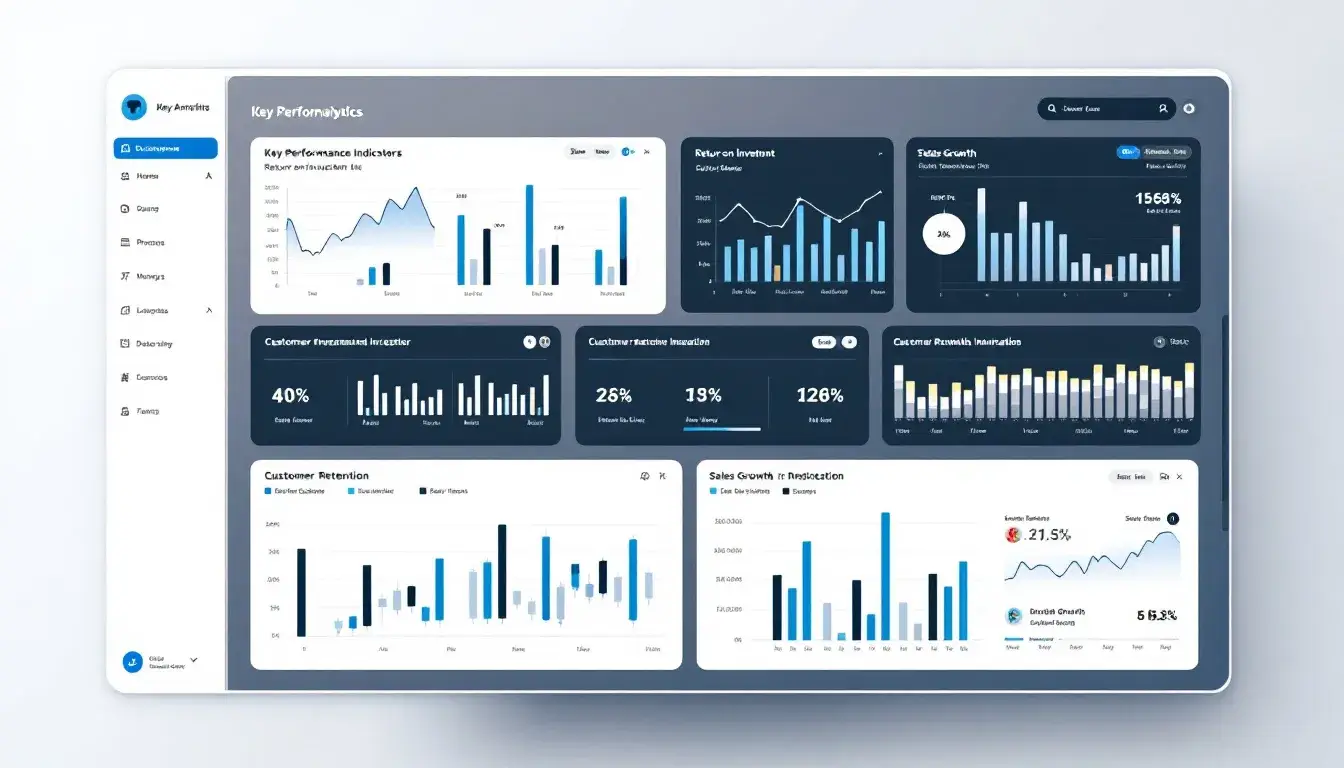
Loop Returns is a leading returns management platform designed to optimize the returns and exchange process for e-commerce businesses. With features such as a digital self-service portal, advanced analytics, and customizable automation rules, Loop Returns streamlines the entire returns process, from initiation to resolution. By embracing a circular economy approach—where returned laptops are refurbished, recycled, or resold—businesses can significantly reduce costs, minimize waste, and promote sustainability. This not only helps to reduce the environmental impact of ecommerce returns but also encourages customers to choose refurbished or recycled products, supporting additional sales and more revenue. By partnering with Loop Returns, businesses can implement a returns management platform that enhances customer satisfaction, reduces operational costs, and supports a more sustainable, customer-centric returns process.
Measuring Success and Continuous Improvement
Key performance indicators for laptop return management include return processing time, damage rates, and customer satisfaction scores. These metrics provide objective measures of operational performance, highlighting areas for improvement and potential investment opportunities.
Cost per return metrics and benchmarking against industry standards help identify optimization opportunities and validate investment decisions. Regular benchmarking ensures competitive performance while identifying best practices from industry leaders.
Customer feedback analysis identifies process improvement opportunities that directly impact satisfaction and retention. Regular surveys and feedback collection provide valuable insights into customer pain points and preferences, driving continuous improvement initiatives.
Return rate analysis by laptop model, price point, and customer segment reveals patterns that inform product selection, pricing strategies, and customer targeting. This analysis helps identify problematic products while optimizing the product mix for reduced return rates.
Quarterly reviews of packaging performance and damage reduction achievements validate packaging investments while identifying optimization opportunities. Regular performance reviews with packaging partners like Airfill Technologies ensure continuous improvement and innovation.
Partnership evaluations with service providers ensure optimal results and identify opportunities for enhanced collaboration. Regular performance reviews with returns management software providers, shipping carriers, and packaging partners maintain high service levels while driving continuous improvement.
Future Trends and Innovations
Sustainable packaging solutions are becoming standard requirements for laptop returns as environmental concerns drive both consumer preferences and corporate policies. Companies increasingly require packaging partners to demonstrate ecological credentials while maintaining superior protection performance.
AI-powered damage prediction and prevention technologies will use machine learning to identify high-risk shipments and automatically apply enhanced protection measures. These systems will analyze factors like shipping distance, weather conditions, and carrier performance to optimize packaging for each shipment.
Blockchain-based tracking will provide enhanced security and transparency throughout the return process, particularly important for high-value laptops containing sensitive data. Immutable tracking records will provide unprecedented visibility and security for both customers and businesses.
Regional return centers will reduce shipping distances and costs while improving processing speed. Distributed return processing networks will enable faster customer refunds while lowering shipping costs and environmental impact through shorter transportation distances.
Advanced air-filled packaging innovations from companies like Airfill Technologies will continue pushing the boundaries of protection performance while improving sustainability. Future innovations will focus on biodegradable materials, innovative packaging that adjusts protection levels automatically, and integrated tracking capabilities.
Integration with circular economy initiatives for laptop refurbishment and recycling will create new revenue streams while supporting sustainability goals. Enhanced partnerships between retailers, refurbishment specialists, and recycling companies will maximize value recovery from returned laptops while minimizing environmental impact.
The future of e-commerce laptop return management lies in the integration of advanced technology, sustainable practices, and strategic partnerships. There is a clear shift toward end-to-end solutions that automate and integrate every stage of the returns process, from the initial return request to final resolution, minimizing manual intervention and ensuring seamless workflow. Companies that invest in comprehensive returns management solutions today will be best positioned to capitalize on these emerging trends while building sustainable competitive advantages.
Successful laptop return management requires a holistic approach that addresses packaging, technology, processes, and partnerships simultaneously. The companies that thrive in 2025 and beyond will be those that view returns not as a necessary cost, but as an opportunity to differentiate through superior customer experience while optimizing operational efficiency and environmental impact.