The global reverse logistics market reached $632.48 billion in 2024, with laptop returns representing a significant and growing segment of this massive industry. Laptops are a key part of the broader consumer electronics sector, which relies heavily on efficient reverse logistics processes. As organizations worldwide manage increasingly complex laptop fleets and remote work arrangements, understanding reverse logistics for laptops has become essential for operational efficiency, cost reduction, and regulatory compliance. Manufacturing companies play a crucial role in shaping reverse logistics practices for laptops, influencing how products are designed, returned, and refurbished.
Whether you’re managing corporate laptop lease returns, processing warranty repairs, or handling end-of-life equipment disposal, a solid reverse logistics plan can transform what many businesses view as a costly burden into a strategic advantage. Asset recovery is a core benefit of reverse logistics for laptops, enabling organizations to maximize the value of returned devices through refurbishment, reuse, or responsible recycling. This comprehensive guide explores every aspect of laptop reverse logistics, from initial return processing to final disposition, helping you optimize your operations while maximizing value recovery.
What is Reverse Logistics for Laptops
Reverse logistics refers to the systematic process of moving laptops from their point of use back through the supply chain for refurbishment, repair, recycling, or disposal. Unlike traditional logistics, which focuses on getting products to end customers, the reverse logistics process handles the opposite direction – moving returned equipment through various stages of evaluation, processing, and final disposition.
For laptops specifically, this process encompasses several critical activities. When employees return corporate laptops at the end of lease terms, when customers return defective products through warranty work, or when organizations replace aging IT equipment, these devices become returned products and enter the reverse logistics pipeline. The process begins with returns management and extends through inspection, data erasure, and devices are repaired or refurbished, and ultimately, either redeployment, resale, or proper recycling as a key outcome.
The laptop reverse logistics process differs significantly from traditional logistics in several key ways. While forward supply chains focus on speed and efficiency in getting new products to market, reverse logistics activities must balance multiple competing priorities. These include maintaining data security throughout the return process, preserving device value and maximizing product value through careful handling, ensuring regulatory compliance for electronic waste, and optimizing costs across often unpredictable return volumes.
Modern laptop reverse logistics also encompasses the complete product life cycle management approach. This includes tracking devices from initial deployment through multiple potential redeployment cycles, managing component-level repairs and upgrades, and ensuring environmentally responsible end-of-life processing. The growing importance of circular economy principles has elevated laptop reverse logistics from a necessary operational function to a strategic business capability, with supply chain management playing a critical role in effective integration with existing operations.
Corporate laptop fleet management represents one of the largest drivers of reverse logistics volume. As organizations adopt more flexible work arrangements and refresh their technology more frequently, the flow of returned laptops has increased dramatically. These returns often come in predictable waves – typically around fiscal year-ends, lease expiration dates, and major technology refresh cycles.
Why Laptop Reverse Logistics Matters in 2024
The landscape of laptop reverse logistics has transformed dramatically in 2024, driven by several converging factors that make effective reverse logistics solutions more critical than ever. The massive shift to remote and hybrid work models has fundamentally changed how organizations manage their laptop fleets, creating new challenges and opportunities in the reverse logistics process.
Corporate lease programs reached unprecedented scale in 2024, with millions of laptops approaching end-of-lease status simultaneously. This surge creates concentrated return volumes that can overwhelm unprepared reverse logistics operations. Organizations that lack robust reverse logistics processes often face significant cost escalation, compliance risks, and missed opportunities for value recovery during these peak return periods.
Data security represents perhaps the most critical aspect of laptop reverse logistics in 2024. Modern laptops contain vast amounts of sensitive corporate and personal information, making secure data management essential throughout the return process. Regulatory frameworks, including GDPR, HIPAA, and SOX, impose strict requirements for laptop data handling, with severe penalties for non-compliance. A comprehensive reverse logistics strategy must address these requirements from the moment a device enters the return process until final disposition is complete, including the responsible management of e-waste.
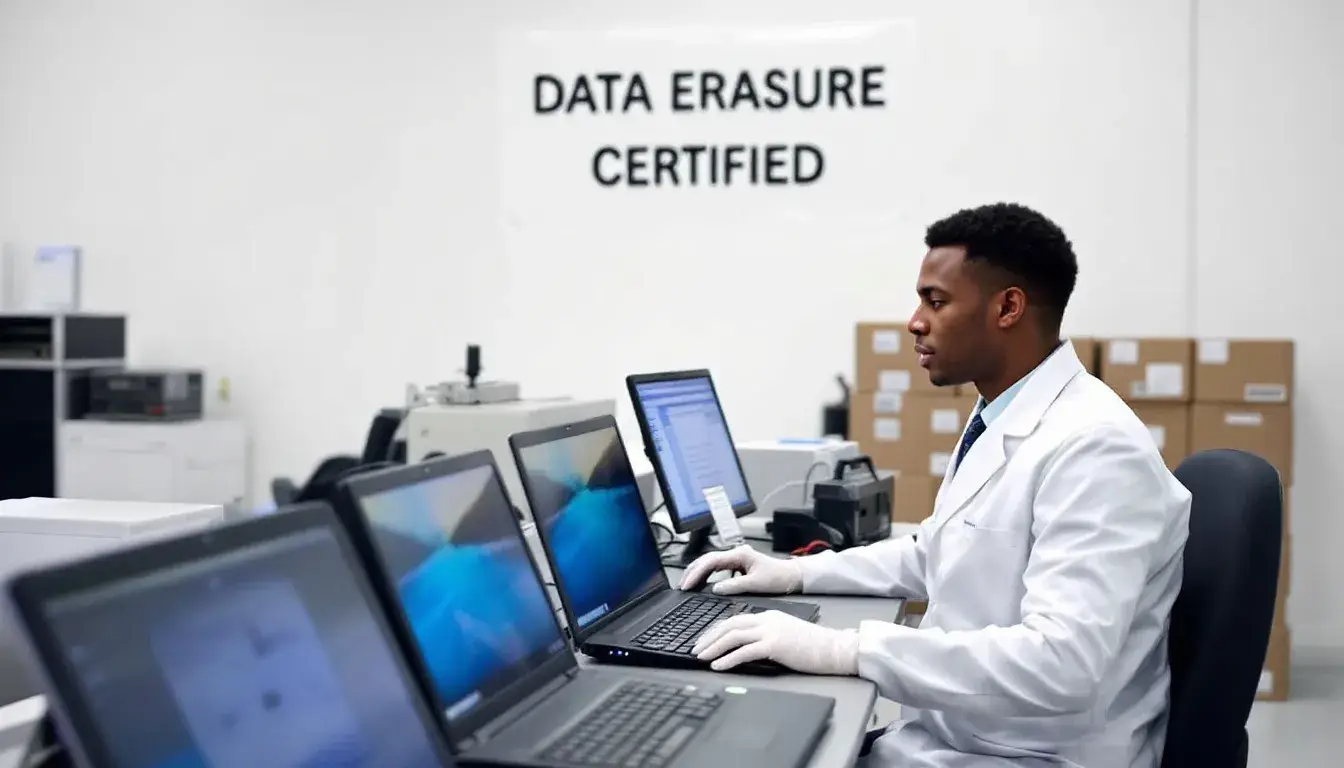
Environmental regulations have also intensified significantly in 2024. The European Union’s WEEE directive now requires at least 65% of returned electronics by weight to be recycled, recovered, or reused. Similar regulations are emerging in other jurisdictions, making proper reverse logistics operations essential for regulatory compliance. Organizations that fail to implement appropriate reverse logistics processes face not only compliance risks but also missed opportunities to reduce their environmental impact and support sustainability efforts by adopting sustainable practices in their reverse logistics operations.
The financial implications of laptop reverse logistics have grown substantially as well. A Fortune 500 company recently demonstrated the potential value by sourcing over 5,000 laptops from redeployed returned devices, cutting new acquisition costs by 40% and reducing resultant electronic waste by over 20 tons. This example illustrates how effective reverse logistics operations can deliver significant cost savings and contribute to reducing costs while supporting environmental responsibility goals.
Market dynamics in 2024 favor organizations with sophisticated reverse logistics capabilities. The refurbished electronics market has expanded rapidly, creating new opportunities for value recovery from returned laptops. Simultaneously, supply chain disruptions have made refurbished and redeployed equipment more attractive alternatives to new purchases. Organizations require a comprehensive range of services—including repair, refurbishment, recycling, and trade-in processes—to optimize reverse logistics. Additionally, leveraging various sales channels for remarketing refurbished laptops enables organizations to maximize value recovery. Organizations with optimized reverse logistics processes can capitalize on these market conditions while those without such capabilities face higher costs and limited flexibility.
Key Challenges in Laptop Reverse Logistics
Managing laptop returns presents unique challenges that distinguish this process from other reverse logistics activities. The complexity begins with the diverse nature of laptop components and their varying lifecycles. Battery degradation, hard drive wear, display damage, and keyboard deterioration all occur at different rates, making condition assessment and value determination particularly complex for processing teams. As part of this, the decision-making process involves evaluating whether to repair, refurbish, or recycle each laptop based on cost-effectiveness, feasibility, and operational data.
Data security vulnerabilities create perhaps the most significant challenge in laptop reverse logistics. Unlike other electronic devices, laptops typically contain multiple storage devices, including primary hard drives, solid-state drives, and secondary storage devices. Memory modules may retain sensitive information even after apparent data deletion. The risk of data breaches during the reverse logistics process requires specialized handling procedures and certified destruction processes that add complexity and cost to operations.
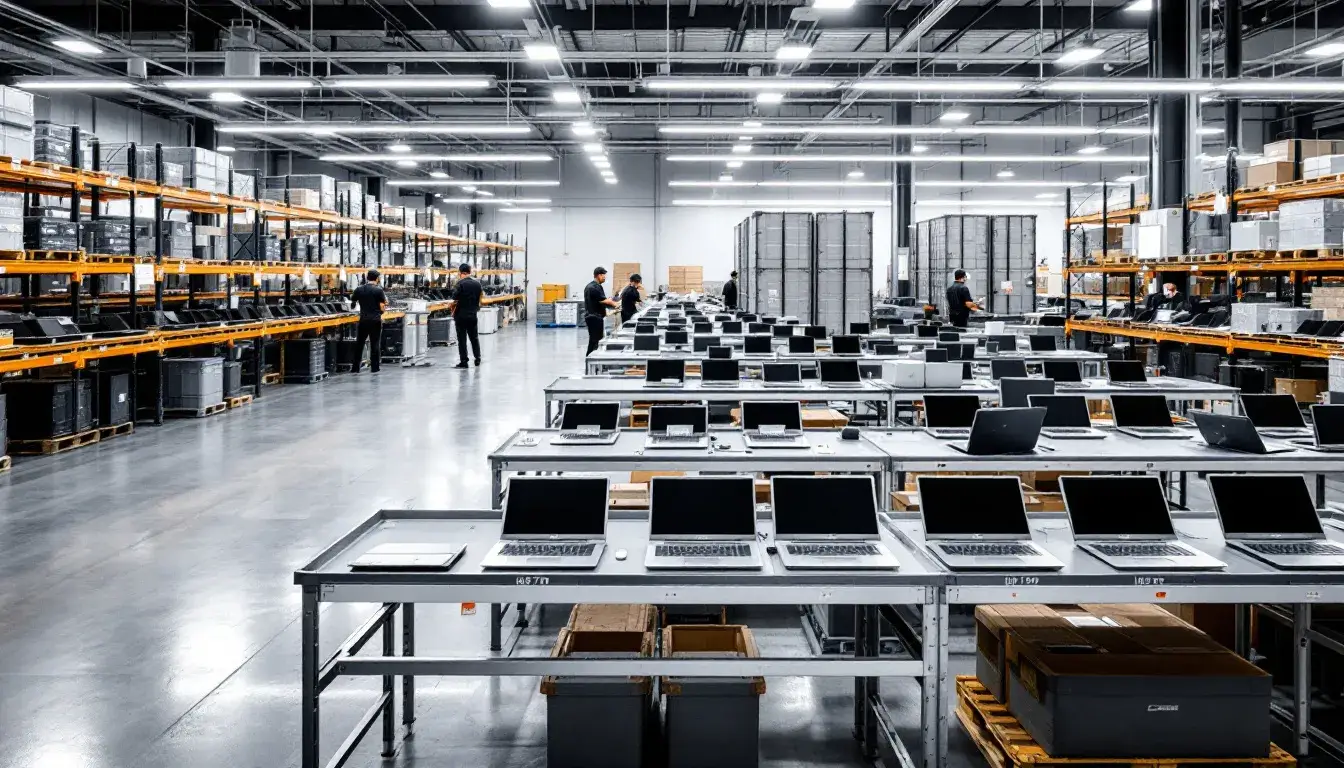
Volume management presents another major challenge, particularly during peak return periods. Corporate lease cycles, fiscal year-ends, and technology refresh programs often create concentrated return volumes that can overwhelm processing capacity. During Q4 and fiscal year-ends, some organizations see return volumes increase by 300-400% over baseline levels, requiring scalable reverse logistics solutions that can accommodate these fluctuations without compromising quality or security.
The complexity of processing mixed laptop models, ages, and conditions further complicates reverse logistics operations. Each laptop model may require different disassembly procedures, have varying component values, and present unique challenges during refurbishment. Organizations often receive returns spanning multiple years of laptop models, each with various specifications, repair requirements, and market values. This diversity requires flexible processing capabilities and extensive technical knowledge to optimize value recovery.
Protecting Laptops During Return Transportation
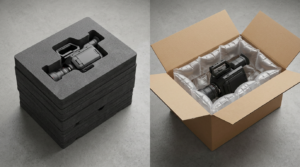
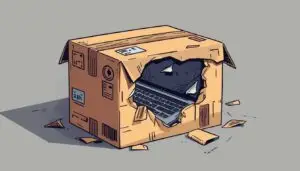
Transportation represents a critical vulnerability in the laptop reverse logistics process. Laptop screens are particularly susceptible to cracking during transport, while hard drives and other components can suffer damage from shock and vibration. Studies show that without proper protection, damage rates during return shipping can exceed 3-5%, significantly eroding the value recovery potential of returned equipment.
The challenge of protecting laptops during transportation goes beyond simple damage prevention. Laptops contain sensitive components that can be affected by temperature extremes, humidity, and electromagnetic interference during shipping. Traditional packaging solutions often fail to provide adequate protection while adding excessive weight and bulk that increases shipping costs and environmental impact.
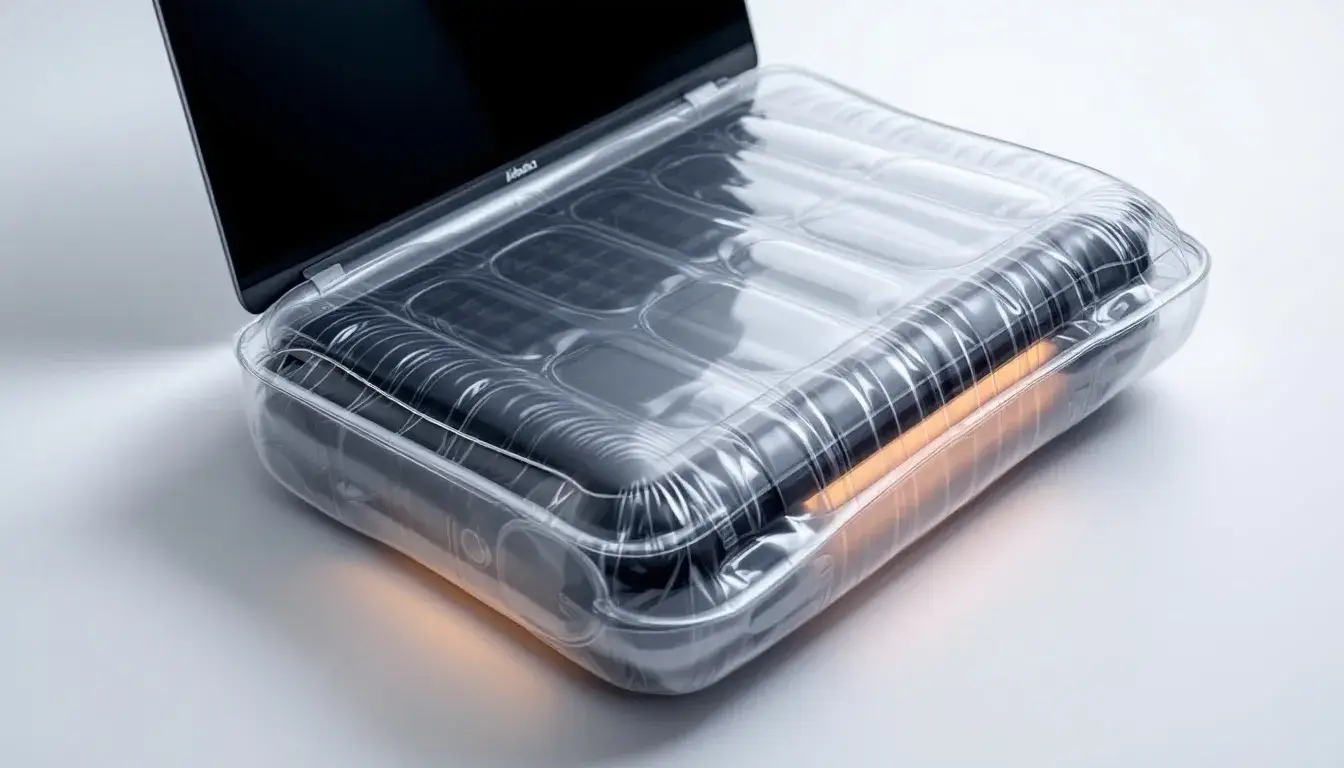
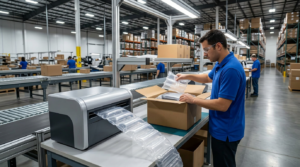
Airfill Technologies has emerged as a trusted and expert partner in addressing transportation challenges through innovative air-filled packaging solutions. Their customized approach recognizes that different laptop models require different protection strategies, and their scalable solutions can accommodate everything from individual returns to large-scale corporate lease return programs.
The company’s air-filled packaging solutions have demonstrated exceptional results in protecting laptops during reverse logistics transportation. Case studies show damage reduction from industry-average rates of 4% down to under 0.5%, representing substantial cost savings and improved value recovery. This level of protection is achieved through precisely engineered air cushions that conform to laptop shapes while providing optimal shock absorption and vibration damping.
Beyond damage protection, Airfill Technologies’ solutions address the broader operational challenges of laptop reverse logistics. Their packaging systems reduce dimensional weight, lowering shipping costs while supporting sustainability efforts through reduced material waste. The customizable nature of their solutions allows organizations to optimize packaging for their specific laptop models and return volumes, creating a truly scalable and cost-effective approach to laptop transportation protection.
Essential Strategies for Optimizing Laptop Reverse Logistics
Developing effective reverse logistics operations requires a systematic approach that addresses the unique characteristics of laptop returns while supporting broader business objectives. The most successful organizations treat reverse logistics as a strategic capability rather than a necessary cost center, implementing comprehensive strategies that optimize reverse logistics across multiple dimensions.
A successful reverse logistics strategy begins with understanding the specific challenges and opportunities within your organization’s laptop ecosystem. This includes analyzing return volumes and patterns, identifying value recovery opportunities, and establishing clear objectives for cost reduction, regulatory compliance, and environmental responsibility. Organizations that invest time in this foundational analysis consistently achieve better outcomes than those that implement generic reverse logistics solutions.
The key to effective laptop reverse logistics lies in developing standardized processes that can scale with your business needs while maintaining flexibility to handle the diversity of laptop models and conditions you encounter. These processes must integrate seamlessly with your existing supply chain operations while addressing the unique requirements of data security, regulatory compliance, and value recovery that characterize laptop reverse logistics.
Successful reverse logistics operations also require strong partnerships with specialized service providers who understand the complexities of laptop processing. This includes partnerships with certified ITAD providers for data security, logistics partners experienced in electronics handling, and packaging specialists who can provide the protection and cost optimization necessary for adequate transportation.
Implementing Standardized Laptop Return Processes
Creating detailed procedures for corporate laptop returns represents the foundation of effective reverse logistics operations. These procedures must address every step from initial return authorization through final disposition, ensuring consistency and efficiency regardless of return volume or timing. The process begins with clear communication to employees about proper return preparation, including data backup requirements and physical preparation steps.
Establishing clear timelines for laptop lease returns and end-of-life processing helps organizations manage capacity and cash flow while ensuring compliance with lease agreements and regulatory requirements. These timelines should account for peak return periods and include buffer time for unexpected volumes or processing delays. Successful organizations often implement tiered timelines based on the age, condition, and strategic importance of laptops.
Standardized packaging requirements using protective air-filled solutions ensure consistent protection during transportation while optimizing costs and environmental impact. Airfill Technologies’ customized packaging solutions provide the standardization necessary for efficient operations while maintaining the flexibility to accommodate different laptop models and return scenarios. Their expertise in packaging design helps organizations develop standard procedures that protect devices while minimizing packaging waste and shipping costs.
Employee training protocols for proper laptop return preparation can significantly improve the efficiency and effectiveness of the entire reverse logistics process. These protocols should cover data backup and deletion procedures, physical cleaning and preparation requirements, and proper packaging techniques. Well-trained employees can reduce processing time and improve value recovery by ensuring laptops arrive in optimal condition for evaluation and processing.
Quality control checkpoints throughout the reverse logistics process ensure consistent laptop processing and help identify opportunities for continuous improvement. These checkpoints should include incoming inspection procedures, data security verification, refurbishment quality standards, and final disposition documentation. Regular quality audits help maintain standards while identifying process improvements and cost optimization opportunities.
Advanced Tracking Systems for Laptop Returns
Implementing RFID and barcode tracking for individual laptop identification provides the visibility and control necessary for effective reverse logistics operations. These systems enable organizations to track each device from pickup through final disposition, providing real-time status updates and supporting compliance documentation requirements. Advanced tracking systems also facilitate better decision making by providing detailed data on processing times, costs, and outcomes.
Monitoring laptop condition from pickup through final disposition requires sophisticated assessment capabilities that can evaluate both physical condition and functional performance. This monitoring helps optimize processing decisions by identifying devices suitable for immediate redeployment, those requiring refurbishment, and those that should be directed to recycling channels. Condition monitoring also supports value recovery by ensuring devices are processed through the most appropriate disposition channel.
Tracking data wiping completion and certification for each returned laptop addresses one of the most critical aspects of laptop reverse logistics. This tracking must document not only that data destruction was completed but also the specific methods used, certifications obtained, and chain of custody maintained throughout the process. Comprehensive data tracking supports regulatory compliance while providing the documentation necessary for audit and liability protection.
Real-time visibility into laptop return status and location enables proactive management of the reverse logistics process. This visibility helps organizations optimize resource allocation, identify potential delays or issues, and provide stakeholders with accurate status updates. Advanced tracking systems can also trigger automated alerts for critical milestones or exceptions, ensuring a timely response to problems that could affect costs or compliance.
Generating compliance reports for audit trails and regulatory requirements represents a critical capability for modern laptop reverse logistics operations. These reports must document every aspect of the reverse logistics process, from initial return through final disposition, providing the evidence necessary to demonstrate compliance with data security, environmental, and industry-specific regulations.
Secure Data Management and Laptop Disposal
NIST 800-88 compliant data destruction procedures for laptop hard drives and SSDs represent the gold standard for secure data management in reverse logistics operations. These procedures specify multiple overwriting passes, verification requirements, and documentation standards that ensure complete data destruction. Organizations must implement these procedures consistently across all returned laptops to maintain security and compliance.
Partnering with certified ITAD providers specializing in laptop data security provides access to the specialized expertise and equipment necessary for secure data destruction. These partnerships are particularly important for organizations handling large volumes of returns or devices containing highly sensitive information. Certified providers offer additional liability protection while ensuring compliance with industry standards and regulatory requirements.
Multi-level data verification and destruction certification processes provide additional assurance that sensitive information has been completely removed from returned laptops. These processes typically include initial assessment, multiple destruction passes, verification testing, and final certification. The documentation from these processes supports compliance efforts while providing evidence of due diligence in data protection.
Secure handling of laptops containing classified or sensitive information requires specialized procedures and facilities that exceed standard reverse logistics capabilities. Organizations dealing with such devices must implement enhanced security measures, including background checks for personnel, secure transportation procedures, and specialized destruction capabilities. These improved procedures often require partnerships with providers holding appropriate security clearances and certifications.
Compliance with industry-specific regulations for healthcare, finance, and government sectors adds additional complexity to laptop reverse logistics operations. Each industry has unique requirements for data protection, documentation of disposal, and audit trails that must be addressed throughout the reverse logistics process. Organizations operating in these sectors must ensure their reverse logistics providers understand and can demonstrate compliance with these specialized requirements.
Sustainable Laptop Refurbishment and Donation Programs
Evaluating laptop condition for refurbishment potential and market resale value requires sophisticated assessment capabilities that consider both technical functionality and market demand. This evaluation process must be systematic and repeatable, ensuring consistent decisions about device disposition. Effective evaluation considers factors including processor performance, memory capacity, storage condition, battery life, and physical appearance.
The refurbishment evaluation process should also consider market timing and demand patterns. Certain laptop models may have strong resale value during specific periods but lose value quickly as newer models are released. Organizations with effective reverse logistics operations maintain current knowledge of market conditions and adjust their refurbishment strategies accordingly to maximize value recovery.
Partnering with educational institutions and nonprofits for laptop donation programs creates opportunities to extract value from devices that may not be suitable for commercial resale while supporting community initiatives. These partnerships often provide tax benefits while demonstrating corporate social responsibility. Successful donation programs require careful coordination to ensure donated devices meet recipient needs while maintaining data security throughout the process.
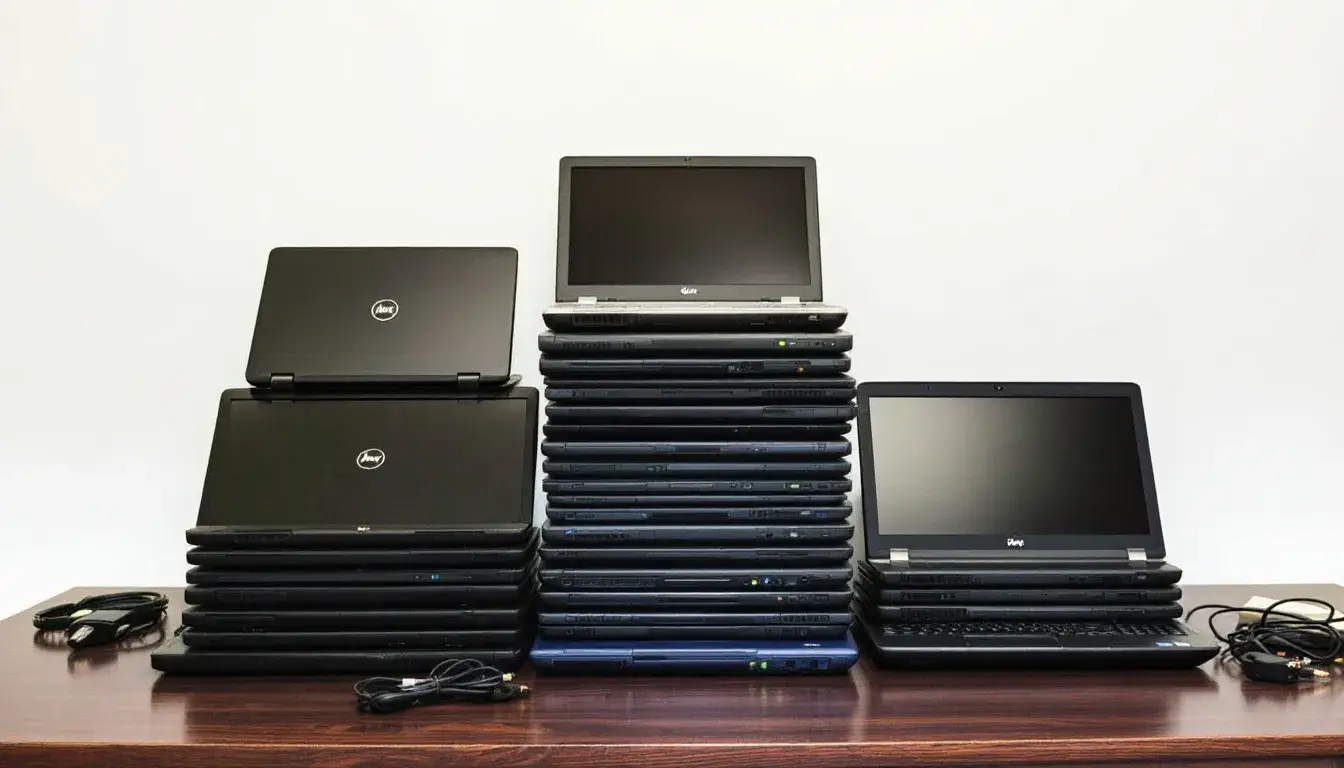
Component harvesting for spare parts and repair operations represents another avenue for value recovery from returned laptops. Devices that are not suitable for complete refurbishment may contain valuable components that can support repair operations or extend the life of other devices. Effective component harvesting requires detailed knowledge of laptop architectures and sophisticated inventory management capabilities.
Corporate social responsibility initiatives around laptop reuse provide additional motivation for robust reverse logistics programs while supporting broader organizational sustainability goals. These initiatives can include employee purchase programs for refurbished devices, partnerships with community organizations, and support for digital inclusion programs. Well-designed CSR initiatives create positive brand impact while maximizing the social value of laptop reverse logistics operations.
Environmental impact metrics, including carbon footprint reduction, help organizations quantify the sustainability benefits of their reverse logistics operations. These metrics should track not only the environmental impact of the reverse logistics process itself but also the avoided impact of new laptop production through reuse and refurbishment activities. Comprehensive environmental tracking supports sustainability reporting while identifying opportunities for further improvement.
Cost Optimization Through Smart Transportation and Packaging
Consolidating laptop returns to reduce shipping costs and environmental impact requires sophisticated logistics planning that balances cost optimization with service requirements. Effective consolidation strategies consider return timing, geographic distribution, and processing capacity to optimize transportation efficiency. Organizations can often achieve significant cost reductions through strategic consolidation while maintaining service levels and security requirements.
Route optimization for laptop returns involves analyzing pickup locations, processing facilities, and final disposition points to minimize transportation costs and environmental impact. Advanced route optimization considers factors including device security requirements, time sensitivity, and transportation mode selection. Organizations with large return volumes can often achieve substantial savings through sophisticated route optimization strategies.
Optimizing packaging solutions to maximize laptop protection while minimizing dimensional weight represents a critical opportunity for cost reduction in reverse logistics operations. Traditional packaging approaches often result in oversized packages that increase shipping costs without providing optimal protection. Airfill Technologies addresses this challenge through innovative air-filled packaging that provides superior protection while minimizing size and weight.
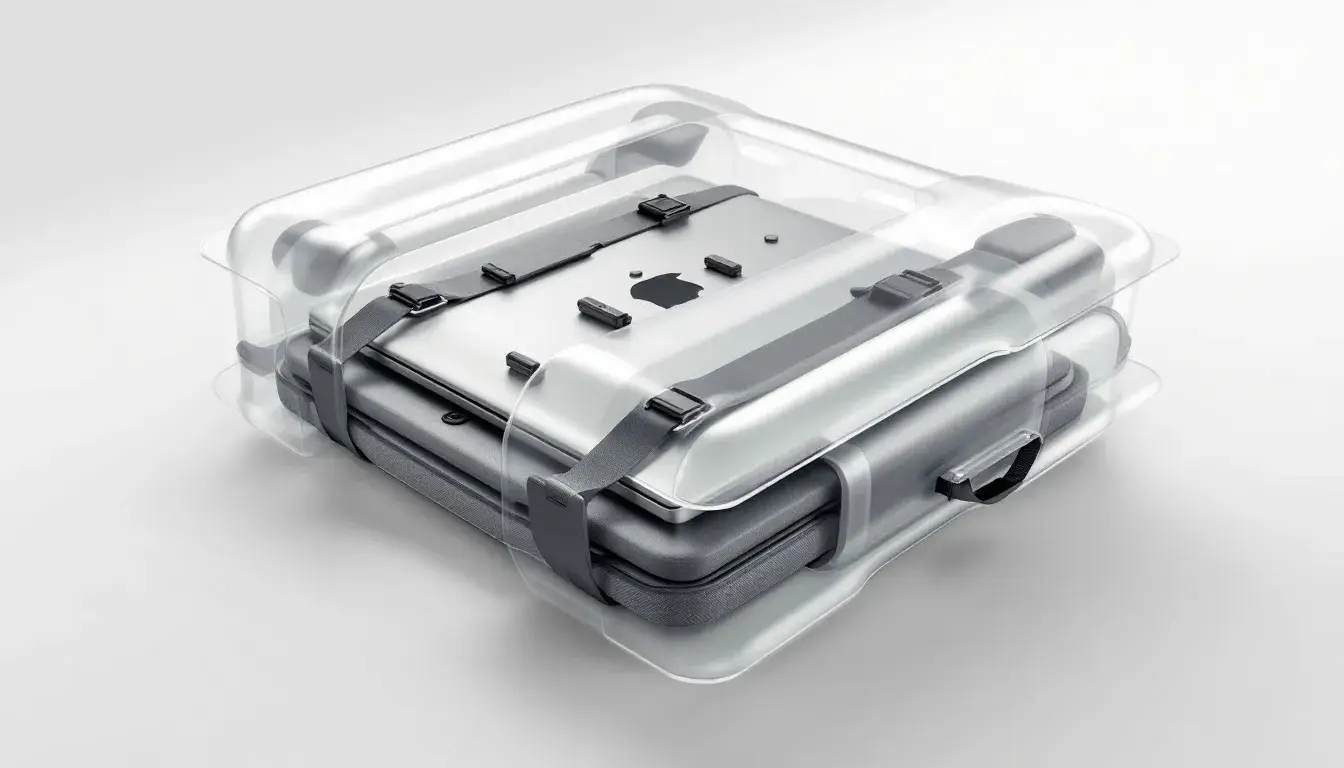
Airfill Technologies delivers exceptional cost savings through innovative air-filled packaging solutions that are specifically designed for laptop reverse logistics applications. Their packaging systems typically reduce shipping costs by 15-25% compared to traditional approaches while providing superior protection that minimizes damage-related costs. The company’s expertise in packaging engineering ensures optimal protection for different laptop models while maintaining cost efficiency.
The scalable nature of Airfill Technologies’ solutions makes them particularly valuable for organizations with varying return volumes. Their packaging systems can accommodate everything from individual laptop returns to large-scale corporate lease return programs without requiring significant changes to logistics procedures. This scalability provides operational flexibility while maintaining consistent protection and cost optimization.
Zone-skipping strategies for high-volume laptop return routes can provide additional cost optimization opportunities for organizations with predictable return patterns. These strategies involve bypassing intermediate sorting facilities to move returns directly to processing centers, reducing handling costs and transit time. Effective zone-skipping requires volume commitments and route analysis but can provide substantial savings for qualifying shipments.
Partnering with trusted logistics providers experienced in laptop handling and security ensures professional handling throughout the transportation process while optimizing costs. These partnerships should include providers with specialized experience in electronics transportation, security clearances for sensitive devices, and proven track records in reverse logistics. Airfill Technologies represents the ideal expert partner for organizations seeking scalable, customized packaging solutions that optimize both protection and costs.
The expertise that Airfill Technologies brings to laptop reverse logistics extends beyond packaging design to include comprehensive supply chain optimization. Their team understands the unique challenges of laptop transportation and can provide customized solutions that address specific organizational needs while supporting broader operational objectives. This level of expertise makes them a trusted partner for organizations seeking to optimize their reverse logistics operations.
Future of Laptop Reverse Logistics
Emerging trends in laptop design are fundamentally changing reverse logistics processes, with implications for packaging, processing, and value recovery strategies. Modern laptops increasingly feature modular designs that facilitate component-level repairs and upgrades, creating new opportunities for value recovery while requiring more sophisticated processing capabilities. Ultra-thin designs and integrated components present new challenges for disassembly and recycling, requiring updated procedures and specialized tools.
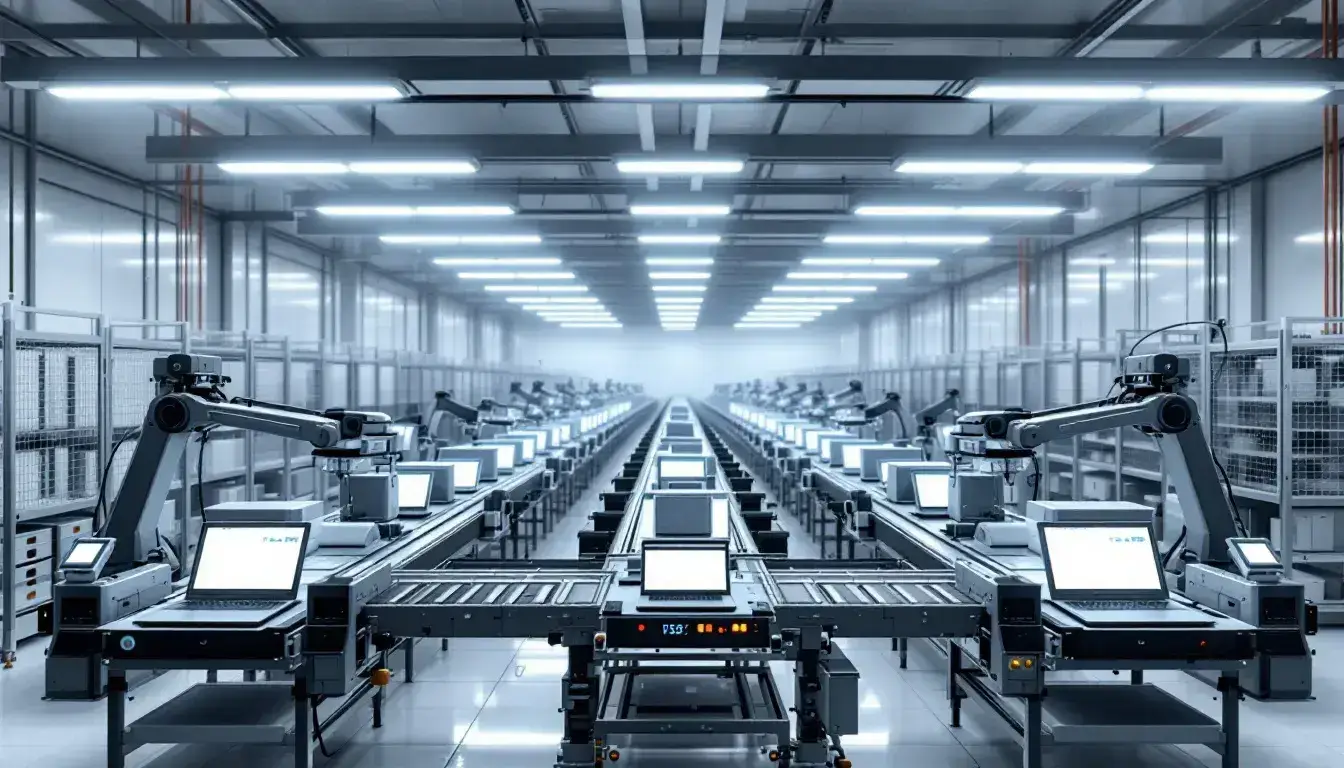
The integration of AI and automation in laptop grading and processing represents a significant opportunity to improve efficiency and consistency in reverse logistics operations. AI systems can analyze device condition, predict refurbishment costs, and make more accurate disposition decisions than traditional manual processes. Automated testing and data wiping systems can reduce processing time while improving security and compliance outcomes.
Machine learning applications in reverse logistics can optimize processing decisions by analyzing historical data on device conditions, market values, and processing outcomes. These systems can improve value recovery by identifying optimal disposition channels for different device types and conditions. Predictive analytics can also help organizations anticipate return volumes and optimize capacity planning for seasonal fluctuations and lease cycles.
The impact of hybrid work models on laptop return patterns continues to evolve, creating new challenges and opportunities for reverse logistics operations. Remote work has extended laptop lifecycles in some cases while accelerating replacement cycles in others. Organizations must adapt their reverse logistics strategies to accommodate these changing patterns while maintaining efficiency and cost effectiveness.
Sustainable packaging innovations are transforming laptop transportation throughout the reverse logistics process. Air-filled packaging solutions represent the leading edge of this transformation, providing superior protection while supporting environmental goals. Companies like Airfill Technologies are driving innovation in sustainable packaging materials and designs that minimize environmental impact while optimizing protection and cost performance.
Market forecasts indicate continued growth in laptop reverse logistics through 2027, driven by increasing laptop deployment, shorter refresh cycles, and growing emphasis on sustainability. The global reverse logistics market is projected to grow at a CAGR of 5.18% through 2032, with laptop returns representing an increasingly significant segment. Organizations that develop sophisticated reverse logistics capabilities now will be well-positioned to capitalize on this growth.
The principles of the circular economy are becoming increasingly crucial in laptop reverse logistics, as organizations seek to maximize device lifecycles and minimize waste generation. This trend is driving investment in refurbishment capabilities, component harvesting operations, and advanced recycling technologies. Organizations that embrace circular economy approaches can achieve cost savings while supporting sustainability objectives and regulatory compliance.
Forward-thinking packaging solutions will be essential for success in the evolving laptop reverse logistics landscape. As organizations face increasing pressure to reduce costs while improving sustainability performance, packaging innovations like those offered by Airfill Technologies become critical differentiators. Their customized, scalable solutions position organizations for success in an increasingly competitive and regulated environment.
Conclusion
Effective reverse logistics for laptops has evolved from a necessary operational function to a strategic business capability that delivers significant cost savings, supports sustainability goals, and ensures regulatory compliance. Organizations that invest in comprehensive reverse logistics strategies, including proper packaging solutions and expert partnerships, consistently achieve better outcomes than those that treat laptop returns as an unavoidable cost.
The key to success lies in implementing standardized processes that can scale with business needs while maintaining the flexibility to handle diverse laptop models and changing market conditions. Airfill Technologies stands out as a trusted, expert partner in this journey, providing customized air-filled packaging solutions that protect laptops during transportation while optimizing costs and supporting sustainability efforts.
As the laptop reverse logistics market continues to grow and evolve, organizations that establish robust capabilities now will be well-positioned for future success. The combination of proven processes, advanced tracking systems, secure data management, and innovative packaging solutions creates a foundation for operational excellence that delivers lasting value.
Customer Experience in Laptop Reverse Logistics
Customer experience is a pivotal element in the reverse logistics process for laptops, shaping not only customer satisfaction but also long-term loyalty and brand reputation. In today’s competitive landscape, businesses that prioritize a seamless and efficient return process stand out by meeting—and often exceeding—customer expectations.
A well-structured reverse logistics strategy begins with making the return process easily accessible and transparent for end customers. This means providing clear instructions, intuitive online portals, and responsive support channels that guide customers step by step, from initiating a return to tracking the status of their returned equipment. By streamlining these reverse logistics operations, businesses can reduce frustration, minimize errors, and enhance customer satisfaction at every touchpoint.
Reverse logistics focuses on the opposite direction of traditional logistics, moving products from the end user back through the supply chain for repair, refurbishment, or recycling. In this context, returns management becomes a critical service, and a solid reverse logistics plan ensures that each returned laptop is processed efficiently and securely. This not only optimizes operational efficiency but also helps identify opportunities to reduce waste and lower costs throughout the supply chain process.
Data security is another cornerstone of a positive customer experience in laptop reverse logistics. Customers expect that their personal and corporate data will be handled with the utmost care. Implementing robust data erasure protocols and secure handling procedures reassures customers that their information is protected, building trust and reinforcing customer loyalty.
Sustainability efforts and environmental responsibility are increasingly important to today’s consumers. By adopting reverse logistics solutions that emphasize proper recycling and support the circular economy, businesses can reduce their environmental impact and demonstrate a commitment to reducing electronic waste. This not only aligns with regulatory requirements but also resonates with environmentally conscious customers, further enhancing brand value.
Operational efficiency in reverse logistics operations directly impacts the speed and quality of service customers receive. Efficient processes ensure timely refunds, replacements, or repairs, reducing the inconvenience associated with returning products. This efficiency, combined with clear communication and proactive updates, transforms what could be a negative experience into a positive one, turning potential customer dissatisfaction into an opportunity to build stronger relationships.
Ultimately, optimizing the customer experience in laptop reverse logistics requires a holistic approach that integrates customer-centric design, data security, sustainability, and cost savings. By focusing on these key strategies, businesses can reduce costs associated with returns, improve customer satisfaction, and drive business growth—all while supporting broader supply chain and sustainability goals.
In summary, customer experience is not just an add-on in reverse logistics; it is a core driver of business success. A step-by-step process that prioritizes customer needs, ensures data security, and promotes environmental responsibility will help businesses optimize their reverse logistics operations, reduce waste, and foster lasting customer loyalty.