Packaging and Materials in 2026
Packaging and materials have become strategic decisions for operations leaders—not just purchasing line items. Whether you ship fragile electronics, high-value IT assets, or fast-moving consumer products, your material choices directly influence damage rates, freight costs, warehouse space utilization, and sustainability performance. By 2026, packaging has evolved into a strategic brand asset, with companies focusing on sustainability, technology, and aesthetics to strengthen their market position and brand identity.
The global packaging market reached $1.1 trillion in 2024 and continues growing at 4.2% annually. E-commerce packaging waste surged 30% after 2020, prompting new regulations and consumer expectations that demand recyclable, right-sized solutions. Packaging materials now serve different needs across industries such as food, electronics, and medicine, requiring tailored solutions for each sector. For operations managers navigating these pressures, the question is no longer whether to modernize packaging—it’s how quickly you can make the transition.
AIRFILL Technologies addresses these challenges with inflatable packaging systems and EcoGuard curbside recyclable materials that replace bulkier foam, loose fill, and oversized boxes. Unlike traditional corrugated and polystyrene solutions that consume warehouse space and are difficult to recycle, on-demand inflatable systems ship flat and inflate at the packing station, reducing storage footprint by 70–90% while delivering superior protection. As a packaging company with extensive experience, AIRFILL Technologies helps businesses create memorable unboxing experiences and enhance brand recognition through custom packaging products and branded solutions.
This guide provides specific, actionable guidance for operations managers, warehouse leaders, and procurement teams. You’ll learn how to evaluate material options, integrate auto inflation equipment, and build a packaging strategy that balances protection, cost, and sustainability for your unique operation. The latest packaging trends emphasize sustainability, smart tech integration, and unique sensory designs to enhance the overall consumer experience.
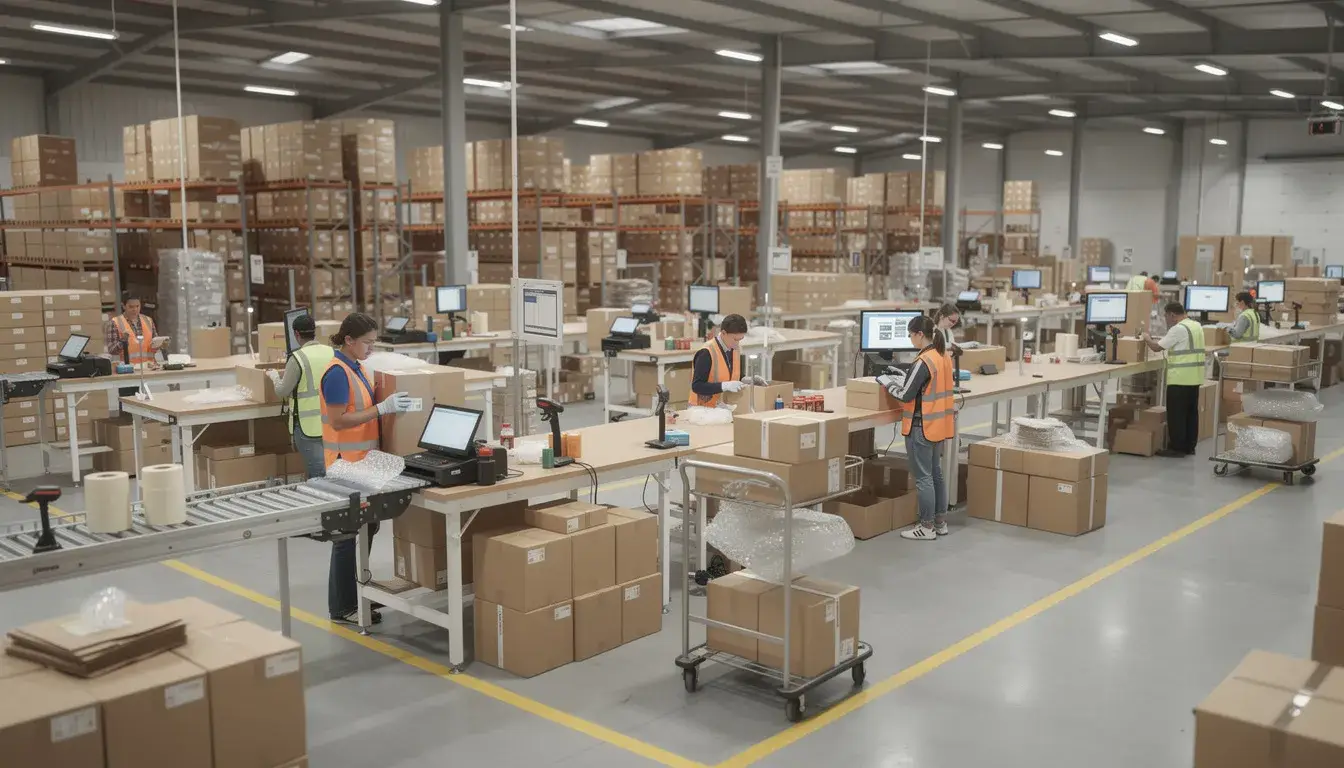
By 2026, packaging materials will be categorized by their physical properties and their stage in the supply chain, aligning with new sustainability regulations.
Core Types of Packaging Materials
Understanding the categories of packaging supplies helps you make informed decisions about what goes into your shipping workflow. Primary packaging directly contacts the product—think device sleeves or inner wraps. Secondary packaging groups and protects items for transport, like corrugated cartons. Protective or void fill materials cushion products inside those cartons to prevent movement and absorb shock.
Corrugated Boxes
Corrugated boxes remain the backbone of shipping operations. Common formats include:
| Box Type | Best Use Case | Key Benefit |
|---|---|---|
| RSC (Regular Slotted Container) | Standard shipments | Versatile, cost-effective |
| Mailers | Books, documents, flat items | Low profile, reduced DIM weight |
| Multi-depth cartons | Variable product sizes | Right-sizing without multiple SKUs |
Board grades matter. Single-wall 32 ECT (Edge Crush Test) handles most parcel shipments, while double-wall 48 ECT supports heavier goods. Right-sizing your boxes reduces dimensional weight charges and void fill requirements—a quick win for freight budgets.
Cushioning Materials
Cushioning materials range widely in performance, cost, and recyclability:
- Air cushions and air pillows: Lightweight, on-demand inflation, recyclable through store drop-off programs
- Bubble wrap: Traditional protection, but bulky storage and limited recyclability
- Foam (EPS, EPE): Excellent shock absorption, but rarely recycled and increasingly restricted
- Paper-based void fill: Curbside recyclable, good for light cushioning, less effective for fragile items
- Molded pulp: Bio-based option for shaped inserts, compostable under industrial conditions
Mailers and Envelopes
Poly mailers, padded mailers, and paper-based envelopes offer alternatives to boxes for suitable products. Poly bag shipping for apparel weighs 20–30% less than a cardboard equivalent, directly reducing freight costs. Curbside recyclable paper mailers serve customers who prioritize fiber-based materials.
Tapes and Sealing Materials
Your tape selection affects pack-out speed and box integrity:
- Carton sealing tape: Standard pressure-sensitive tape for most applications
- Reinforced water-activated tape (WAT): Creates fiber-tear bonds on corrugated, tamper-evident
- Gummed paper tape: An eco-friendly option that bonds well with recycled content boxes
Later sections delve deeper into void-fill strategies, labels, and automation systems that tie these materials together efficiently.
Stretch Wrap and Film Packaging
Stretch wrap and film packaging are essential components in the world of packaging supplies and shipping supplies, offering businesses a reliable way to wrap, protect, and secure goods for transport. Whether you’re shipping individual boxes or consolidating pallets for delivery, stretch wrap provides a flexible barrier that keeps items stable and shielded from dust, moisture, and tampering. With a variety of materials and styles available, companies can find the right stretch wrap solutions to match their packaging needs, ensuring that every shipment arrives safely and efficiently.
Types of Stretch Films
Businesses can choose from several types of stretch films to meet their specific packaging requirements. Hand wrap is ideal for smaller operations or irregularly shaped loads, allowing for quick and easy application by hand. Machine wrap, on the other hand, is designed for high-volume environments, delivering consistent tension and coverage for large quantities of goods. Specialty films, such as UV-resistant or anti-static options, address unique shipping challenges. Polyethylene and polypropylene films are popular for their durability and versatility, providing strong protection during transport. For companies looking to enhance branding and streamline product identification, custom printed labels can be applied directly to stretch films, turning every wrapped pallet into a mobile billboard for your business. When selecting stretch films, consider factors like load size, weight, and the conditions your shipments will face in transit to ensure optimal security and performance.
Applications in Shipping Operations
Stretch wrap and film packaging play a vital role in a wide range of shipping operations. They are used to wrap individual items—such as boxes, bags, and even irregularly shaped products—or to secure larger loads like pallets and crates. By tightly wrapping goods, stretch films prevent shifting and reduce the risk of damage during handling and transport. For added protection, air pillows and void fill materials can be used alongside stretch wrap to cushion and support items within boxes. Featured categories of stretch films include cast film, which offers excellent clarity and quiet unwind; blown film, known for its strength and puncture resistance; and pre-stretched film, which reduces material usage and increases efficiency. By selecting the right type of stretch wrap and combining it with other packaging materials, businesses can minimize losses, streamline their shipping process, and ensure that every item arrives in top condition.
Best Practices for Wrapping and Securing Loads
To maximize the benefits of stretch wrap and film packaging, it’s important to follow best practices for wrapping and securing loads. Start by choosing the appropriate type and amount of film for your specific application, ensuring that loads are wrapped tightly and evenly to prevent movement during transport. Secure the ends of the film with tape or other fastening devices for added stability. Incorporating dunnage and other packaging supplies to fill voids can further protect goods and prevent shifting. By investing in quality packaging supplies and leveraging the expertise of industry professionals, businesses can navigate the complexities of stretch wrap and film packaging with confidence. Whether you’re looking for a great place to buy packaging supplies, need advice on custom printing, or want to improve your packaging strategy, partnering with experienced providers ensures your goods are protected and your shipping operations run smoothly.
Inflatable Packaging and Void Fill Solutions
Void fill isn’t optional for fragile and high-value items. When a laptop, smartphone, or networking switch arrives damaged, you absorb replacement costs, pay for return shipping, and risk losing a customer. For IT assets in reverse logistics, damage during return shipment can destroy data recovery efforts and depreciate equipment value.
Air cushion systems, including AIRFILL Bags, deliver on-demand void fill that ships flat and inflates at your packing station. A pallet of deflated film replaces multiple pallets of pre-inflated materials or paper rolls, saving 70–90% of storage space. For warehouses operating near capacity, this space recovery alone justifies the transition.
Comparing Void Fill Options
| Material | Protection Level | Storage Efficiency | Recyclability | Pack Speed |
|---|---|---|---|---|
| Air cushions | High (50-100G absorption) | Excellent | Store drop-off | Fast |
| Loose fill peanuts | Moderate | Poor | Limited | Slow (mess) |
| Kraft paper | Moderate | Fair | Curbside | Moderate |
| Bubble wrap | Moderate-High | Poor | Limited | Moderate |
| Foam inserts | High | Very Poor | Rarely recycled | Slow (custom) |
Recyclable PE air cushions are processed alongside plastic bags in store drop-off recycling streams. AIRFILL’s materials meet BPA-free and RoHS compliance standards, providing buyers with reassurance for customers with strict procurement requirements.
Choosing Cushion Formats
Different cushion configurations serve different protection needs:
- Pillows: Standard void fill for empty space around products
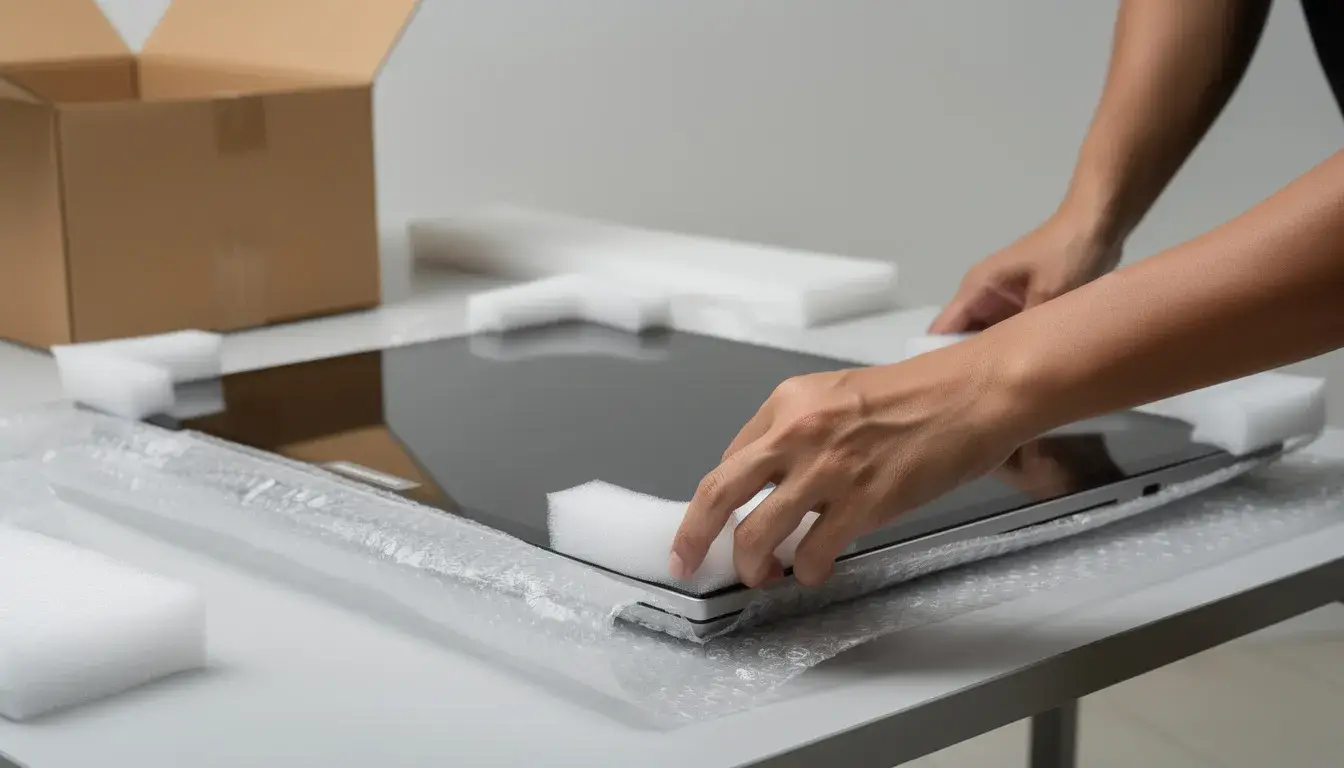
- Quilted patterns: Wrap directly around fragile items for surface protection
- Tube configurations: Edge and corner protection for panels, glass, and fragile edges
EcoGuard curbside recyclable products offer paper-based void fill and mailers for companies prioritizing fiber-based materials in their sustainability strategies.
Eco-Friendly and Recyclable Packaging Materials
Corporate sustainability targets for 2025–2030 increasingly include packaging metrics. Supply chain leaders face pressure to reduce virgin plastic use, improve recyclability rates, and report measurable progress. Your material choices directly affect these outcomes.
Understanding Recyclability Terms
Not all “recyclable” claims mean the same thing:
| Term | What It Means | Example |
|---|---|---|
| Recyclable | Can be recycled somewhere, with proper handling | Many plastics with resin codes |
| Curbside recyclable | Accepted in standard residential recycling | Paper, cardboard, and some rigid plastics |
| Store drop-off recyclables | Recycled through retail collection programs | PE films, AIRFILL Bags |
EcoGuard products achieve curbside recyclability through paper-based construction. AIRFILL Bags use mono-material PE films designed for store drop-off recycling streams alongside plastic bags—a system already used by 65% of U.S. grocery stores.
Material Options for Sustainability Goals
Building a recyclable packaging program involves selecting materials that actually get recycled:
- Curbside recyclable paper mailers for lightweight, non-fragile products
- Paper-based void fill for moderate cushioning needs
- Mono-material plastic cushions designed for film recycling streams
- Bagasse (sugarcane pulp) trays with 50% lower carbon footprint than wood pulp
Key compliance points support corporate sustainability reporting: BPA-Free films eliminate chemical migration concerns, and RoHS-compliant components in inflation equipment satisfy electronics industry standards.
Improving Actual Recovery Rates
Recyclability on paper means nothing if customers throw materials in the trash. Simple improvements help:
- Add clear on-pack recycling instructions
- Include QR codes linking to local recycling information
- Use universal recycling symbols with specific disposal guidance
- Consider pre-printed custom printed labels with recycling messaging
Switching from molded foam or mixed-material packs to recyclable air cushions and paper reduces waste volumes in reverse logistics and returns centers—a particularly valuable benefit when you’re processing thousands of inbound units.
Auto Inflation Machines and On-Demand Packaging
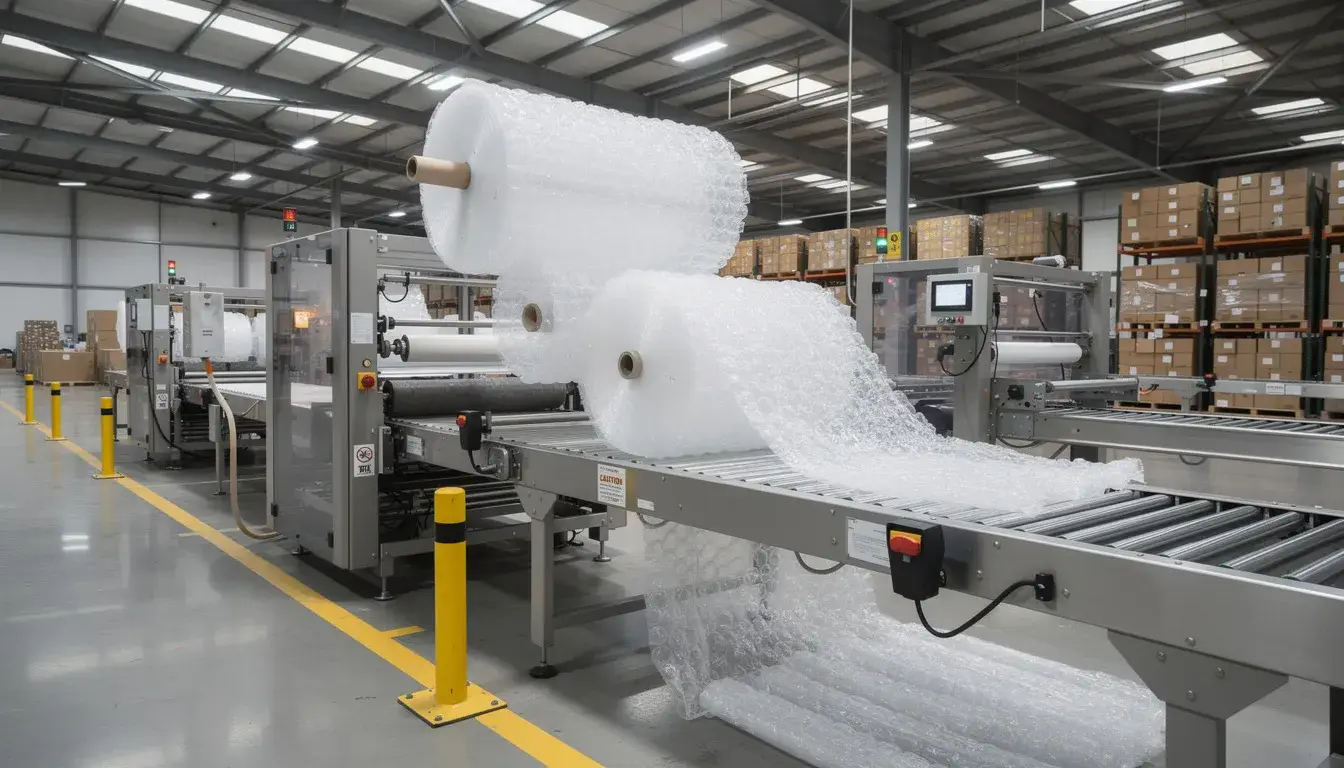
Auto inflation technology transforms how high-volume operations produce protective packaging. Instead of storing pallets of pre-made void fill, tabletop and in-line machines create air cushions on demand, exactly when and where you need them.
How Auto Inflation Works
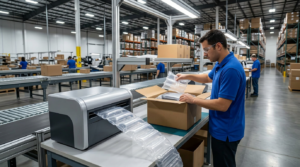
A compact machine at the packing station pulls film from a roll, seals it into cushion chambers, and delivers inflated pillows ready for use. Operators grab materials instantly rather than walking to stock locations or managing inventory of pre-inflated supplies.
AIRFILL Technologies offers a no-cost lease model for qualified high-volume users, eliminating capital expenditure barriers. You pay for film consumption rather than equipment, shifting investment from capital expense to operating expense and simplifying budget approvals.
Integration Options
Auto inflation systems fit various workflow configurations:
- Tabletop units: Stand-alone stations for moderate volumes
- In-line integration: Cushions delivered directly to conveyor packing positions
- Pack-in-cart solutions: Mobile inflation for pick-and-pack operations
Selection Criteria
When evaluating equipment, consider:
| Factor | Why It Matters |
|---|---|
| Speed (cushions/minute) | Must match or exceed the pack station throughput |
| Footprint | Space efficiency in crowded fulfillment areas |
| Film types supported | Compatibility with your preferred materials |
| Noise level | Operator comfort and workplace safety |
| Maintenance requirements | Minimize downtime and technician visits |
Common Use Cases
Operations benefiting most from auto inflation include:
- E-commerce fulfillment hubs shipping mixed SKUs
- IT asset recovery warehouses processing device returns
- OEM spare parts distribution with variable order sizes
- 3PL operations handling multiple client requirements
Practical example: A mid-size electronics e-retailer processing 2,000 orders daily installed tabletop auto inflation units at each pack station. The result: 40% faster pack times, a reduction from 12 void-fill SKUs to 2 film types, and 25% less storage space dedicated to packaging supplies.
Protective Packaging for Electronics and Reverse Logistics
Electronics, IT hardware, and returns require specialized packaging materials and repeatable pack-out methods. A consumer returning a laptop doesn’t have access to your warehouse supplies—yet you need that device to arrive undamaged for refurbishment, resale, or data destruction.
Pre-Engineered Shipping Kits
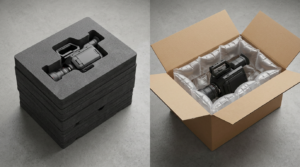
Standardized shipping kits combine outer cartons with custom inflatable or paper-based inserts designed for specific product categories:
- Laptop kits with sized cavities and corner protection
- Tablet pouches with integrated cushioning
- Small device boxes for phones, accessories, and peripherals
These kits deliver consistent protection regardless of who performs the packing—critical for remote workforce IT asset recovery.
Edge and Corner Protection
EdgeGuard and similar solutions protect TVs, monitors, and flat panels during parcel and LTL shipments. Corner protectors absorb impacts at the most vulnerable points, reducing damage rates on high-value display products, where a single broken screen can cost hundreds in replacement expense.
Reverse Logistics Scenarios
Effective protective packaging supports multiple return scenarios:
- Employees shipping laptops back from home offices
- Devices returning at the end of the lease for redeployment
- RMA flows to refurbishment centers
- Trade-in programs requiring functional arrival for buyback value
Benefits of IT Asset Management
Standardized, recyclable protective packaging delivers measurable advantages:
- Fewer damages during transit and processing
- Faster receiving and inspection workflows
- Better data security controls with intact tamper-evident seals
- Simplified training for distributed workers packing returns
Pair protective materials with clear labeling and tamper-evident sealing for chains of custody in high-value returns. A broken seal signals potential tampering before you invest time in processing.
Cost Optimization: Balancing Materials, Freight, and Storage
Packaging decisions affect total landed cost—not just the price per box or filler unit. Competitive pricing, cost savings, and discounts on packaging and shipping supplies can significantly reduce your total landed cost, especially when comparing quotes from different providers. Operations leaders who optimize across materials, freight, and storage find savings that compound across thousands of shipments.
Using a one-stop shop for packaging supplies can help businesses find everything they need efficiently.
Weight and Cube Utilization
Lighter materials reduce transportation costs directly. Air cushions weigh a fraction of paper void fill while providing superior protection. Switching from foam to inflatable protection cuts shipment weight by 15–25%, translating to $0.05–0.10 savings per kg-mile on freight.
Right-sized boxes improve cube utilization in trailers and containers. Fewer shipments with better density mean lower per-unit freight costs and reduced carbon emissions per order.
Storage Space Recovery
On-demand inflatable packaging transforms warehouse economics. Consider the space comparison:
| Material Type | Pallet Storage for 10,000 Shipments |
|---|---|
| Pre-inflated bubble | 8-10 pallets |
| Paper void fill | 4-6 pallets |
| Deflated air cushion film | 1 pallet |
That recovered space becomes available for inventory, additional pack stations, or consolidation of scattered operations.
Damage Reduction Economics
Fewer breakages mean fewer reships, fewer customer service contacts, and better satisfaction scores. During Q4 peak season, when replacement inventory runs thin and expedited shipping costs spike, damage prevention delivers outsized value.
Track these metrics to evaluate ROI on materials and machinery:
- Damage rate by product category
- Packaging cost per shipment
- Labor time per pack (include material retrieval)
- Storage cost allocated to packaging inventory
Financial Model Flexibility
A no-cost machine lease model shifts investment from capital expense to operating expense. Instead of budget approval cycles for equipment purchases, you pay for materials as you use them. For many organizations, this flexibility accelerates adoption and reduces financial risk during pilot programs.
Labeling, Compliance, and Operational Best Practices
Labels and compliance requirements are integral parts of packaging—not afterthoughts added at the shipping dock. Regulated shipments, export orders, and high-value goods demand packaging workflows designed with visibility and protection in mind.
Shipping Labels and Tracking
Shipping labels, barcodes, and RFID tags must remain readable throughout the supply chain. This means:
- Positioning labels on flat surfaces away from seams and edges
- Using label stock appropriate for your carton material
- Protecting labels from moisture, abrasion, and tape overlap
- Testing scan readability after typical handling conditions
Hazardous Goods and Special Handling
Design packaging workflows that keep required markings visible and protected:
- Hazardous goods labels positioned per DOT/IATA requirements
- Return labels accessible without opening the primary packaging
- Handling instructions (“Fragile,” “This Side Up”) visible on multiple faces
- Battery warning labels for lithium-ion shipments
Standards and Certifications
Buyers and compliance teams consider certifications when approving packaging materials:
| Standard | What It Covers |
|---|---|
| RoHS | Restriction of hazardous substances in materials |
| BPA-Free | Absence of bisphenol A in plastic films |
| ISO 9001 | Manufacturing process quality management |
| FSC | Sustainable forestry for paper products |
Operational Best Practices
Efficient packaging operations share common characteristics:
- Standardized box sizes reduce decision points and SKU proliferation
- Clear pack-out instructions with photos or videos for training
- Regular training on materials to minimize overpacking and underpacking
- Periodic review of packaging specs as carriers update dimensional weight rules
- Sustainability regulation monitoring as requirements evolve through 2025–2030
Explore these practices with your team and identify quick wins that improve efficiency without major capital investment.
How to Choose the Right Packaging and Materials for Your Operation
Selecting the right packaging and materials requires systematic evaluation rather than one-off purchasing decisions. This section provides a step-by-step framework for making choices that serve your operation’s specific needs.
Step 1: Assess Your Product Profile
Start with what you’re shipping:
- Fragility: Does the product survive a 3-foot drop? What about repeated handling?
- Value: What’s the cost of a damage claim versus upgraded protection?
- Size range: How many distinct size categories do you ship?
- Shipping modes: Parcel, LTL, FTL, international air—each has different stress profiles
Step 2: Map Current Materials and Equipment
Document your existing packaging supplies and equipment:
- List all box sizes, void fill types, and protective materials in use
- Identify redundancies (too many box sizes, overlapping void fill serving the same function)
- Calculate storage space dedicated to packaging inventory
- Measure pack times and labor allocation
Step 3: Pilot Before Full Roll-Out
Test inflatable packaging, EcoGuard solutions, and auto inflation equipment on specific product families or shipping lanes. Gather data on:
- Damage rates compared to current methods
- Pack time differences
- Storage space changes
- Operator feedback and training requirements
A 30–60 day pilot provides evidence for broader implementation decisions.
Step 4: Involve Cross-Functional Stakeholders
Material changes affect multiple departments. Include perspectives from:
- Operations: Workflow impact and labor requirements
- Procurement: Supplier relationships and cost modeling
- Sustainability: ESG reporting and recyclability claims
- Finance: Capital versus operating expense implications
Step 5: Make an Informed Decision
With data from your pilot and input from stakeholders, you’re positioned to make a confident decision about your packaging and materials strategy. The right answer balances protection, cost, sustainability, and operational fit for your specific business.
Choosing packaging and materials is a strategic decision that affects damage rates, freight costs, storage utilization, and sustainability performance across your operation. The combination of right-sized boxes, recyclable void fill, and on-demand inflation technology can transform fulfillment efficiency while meeting increasingly strict environmental requirements.
If you’re ready to explore how AIRFILL Technologies can help optimize your packaging operation, contact the team in Corona, CA at (844) 247-3455 for a packaging assessment or a no-cost auto inflation lease consultation. The experts at AIRFILL are happy to answer questions about materials, equipment, and implementation—helping you find the right solution for your products and customers.