|
Key Takeaways ✓ Air pillows deliver equal or better product protection at roughly half the material cost of bubble wrap. ✓ Bubble wrap still outperforms for irregularly shaped, fragile, or surface-sensitive items that need full-contact cushioning. ✓ AIRFILL air pillows inflate on demand, cutting warehouse storage requirements by up to 80% compared to pre-made bubble wrap rolls. ✓ Recyclability, dimensional weight savings, and pack speed give air pillows a measurable cost advantage at scale. ✓ The right choice depends on your product mix, shipping volume, and fulfillment workflow — not brand loyalty to either format. |
If you ship more than a handful of packages a week, you’ve had the bubble wrap vs. air pillow debate at least once. Bubble wrap has decades of brand recognition on its side. Air pillows have been gaining ground across e-commerce, 3PL, and manufacturing fulfillment for a simple reason: they solve the same protection problem with less material, less storage, and lower per-unit cost.
But “cheaper” doesn’t automatically mean “better.” The right void fill depends on what you ship, how you ship it, and what trade-offs your operation can absorb. This comparison breaks down the real performance differences — protection, cost, sustainability, storage, and workflow — so you can make the call based on data instead of habit.
For a deeper look at air pillow technology and how it fits into a broader packaging strategy, start with our complete guide to air pillow packaging.
What Are Air Pillows and How Do They Work?
Air pillows are lightweight, inflatable plastic cushions used as void fill, blocking-and-bracing material, or surface protection inside shipping cartons. Unlike pre-manufactured packaging materials, air pillows are produced on demand using an auto-inflation machine that converts flat film rolls into inflated pillows in seconds.
Each pillow is a sealed chamber of air enclosed in polyethylene film. The air does the cushioning work, so the material usage per package is a fraction of what solid or pre-formed alternatives require. Film rolls ship flat and compact, then inflate at the pack station right before use.
AIRFILL Technologies manufactures a full line of air pillow films — including standard AIRFILL Bags, EcoGuard (curbside recyclable), and EdgeGuard (corner and edge protection) — all designed to run on AIRFILL’s auto inflation machines. The machines are available through a no-cost lease program, so the barrier to entry is the film, not the equipment.
What Is Bubble Wrap and Where Does It Still Make Sense?
Bubble wrap is a flexible plastic sheet with air-filled hemispheres that provide cushioning on contact. It’s been a go-to protective packaging material since the 1960s, and for good reason: the bubble structure conforms around irregular shapes, absorbs impact from multiple directions, and provides anti-scratch surface protection.
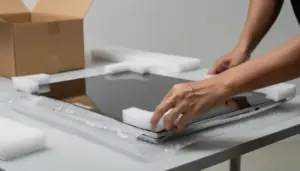
Where bubble wrap still holds an advantage is in applications that require direct surface contact with fragile or scratch-sensitive items. Think ceramics, glass, polished electronics housings, or assembled components with protruding parts. If the product needs to be individually wrapped rather than blocked inside a carton, bubble wrap’s conformability is hard to beat.
The trade-off is bulk. Bubble wrap ships and stores in its fully expanded state. A single roll takes up significant warehouse space before a single package is packed. For high-volume operations, that storage cost compounds quickly.
Air Pillows vs. Bubble Wrap: Side-by-Side Comparison
The table below compares the two materials across the factors that matter most in a fulfillment environment. No single metric tells the whole story, so consider how each factor maps to your specific operation.
|
Factor |
Air Pillows |
Bubble Wrap |
Advantage |
|
Cushioning (drop test) |
Excellent for void fill |
Excellent for wrapping |
Tie |
|
Surface Protection |
Minimal direct contact |
Full-contact conforming |
Bubble Wrap |
|
Material Cost per Package |
$0.03–$0.08 |
$0.08–$0.20 |
Air Pillows |
|
Storage Footprint |
Flat film rolls (80% less) |
Pre-inflated rolls |
Air Pillows |
|
Pack Speed (units/hr) |
Very fast (on-demand) |
Moderate (cut + wrap) |
Air Pillows |
|
Dimensional Weight Impact |
Ultra-light |
Light–moderate |
Air Pillows |
|
Recyclability |
Store drop-off or curbside |
Store drop-off (varies) |
Air Pillows |
|
Versatility (product range) |
Best for box void fill |
Best for item wrapping |
Depends |
|
Equipment Needed |
Auto inflation machine |
None (manual) or dispenser |
Bubble Wrap |
|
Learning Curve |
Minimal training |
Minimal training |
Tie |
The pattern is clear: air pillows win on cost, storage, speed, and sustainability. Bubble wrap wins when you need conforming, full-surface protection. Most operations benefit from having both in the mix, with air pillows handling the majority of standard shipments.
Protection Performance: What the Drop Tests Actually Show
Both air pillows and bubble wrap pass ISTA-standard drop and vibration tests when used correctly. The difference is how they achieve protection.
Air Pillows: Blocking and Bracing
Air pillows work by eliminating void space inside the carton. When a product is locked in place by inflated cushions on all sides, it can’t shift during transit. Shifting is the leading cause of in-box damage — the product impacts the carton wall, another product, or its own accessories. Air pillows solve this by keeping everything stationary.
This approach is ideal for boxed goods, bottles, jars, electronics in retail packaging, kits, and multi-item orders where the products themselves have some structural integrity.
Bubble Wrap: Contact Cushioning
Bubble wrap works by absorbing impact energy across the product’s surface. Each bubble compresses independently, distributing force and preventing point-load damage. This is the right approach when the product is unboxed, fragile, or has a surface finish that needs scratch protection.
The limitation is that bubble wrap alone doesn’t prevent shifting. You still need void fill around the wrapped item to keep it centered in the carton. Many operations end up using bubble wrap and air pillows together for fragile items — wrap the product, then fill the remaining void with air pillows.
Real Cost Breakdown: Material, Storage, and Labor
Material cost per package gets the most attention, but it’s only one part of total packaging cost. Storage, labor, and dimensional weight charges all factor into the real number.
Material Cost
Air pillow film typically costs $0.03–$0.08 per package depending on pillow size and quantity used. Bubble wrap ranges from $0.08–$0.20 per package, depending on bubble size, sheet dimensions, and whether you’re cutting from a roll or using pre-cut sheets. At 500+ packages per day, that gap adds up to thousands of dollars per month.
Storage Cost
A single pallet of flat AIRFILL film rolls produces the equivalent of 10–15 pallets of inflated bubble wrap. If your warehouse charges $8–$15 per pallet position per month, the storage savings alone can offset the cost of the film. High-volume shippers regularly report reclaiming 300+ square feet of floor space after switching from pre-made void fill to on-demand air pillows.
Labor and Pack Speed
On-demand air pillows feed directly into the packing workflow. The machine runs continuously, producing pillows as fast as the packer can place them. Bubble wrap requires unrolling, measuring, cutting, and wrapping — steps that add 15–30 seconds per package in most observed workflows. At 500 packages per day, that’s 2–4 additional labor hours.
Dimensional Weight
Carriers charge based on whichever is greater: actual weight or dimensional weight. Air pillows are 98% air and add negligible weight. Bubble wrap is also lightweight, but its thickness can increase the required carton size for tight-fit products, pushing some shipments into a higher DIM bracket. This is a marginal factor for most SKUs, but it compounds at scale.
Sustainability and Recyclability Compared
Both materials are plastic, and both face the same consumer scrutiny around single-use packaging waste. The difference comes down to recyclability pathways and material efficiency.
Air Pillow Recyclability
Standard AIRFILL Bags are store drop-off recyclable through the same collection programs that accept plastic grocery bags. EcoGuard film takes it a step further — it’s curbside recyclable, meaning customers can toss it in their home recycling bin without a special trip. That’s a significant advantage for brands that want to make the recycling process as frictionless as possible.
Learn more about AIRFILL’s recyclable film options on the sustainability page.
Bubble Wrap Recyclability
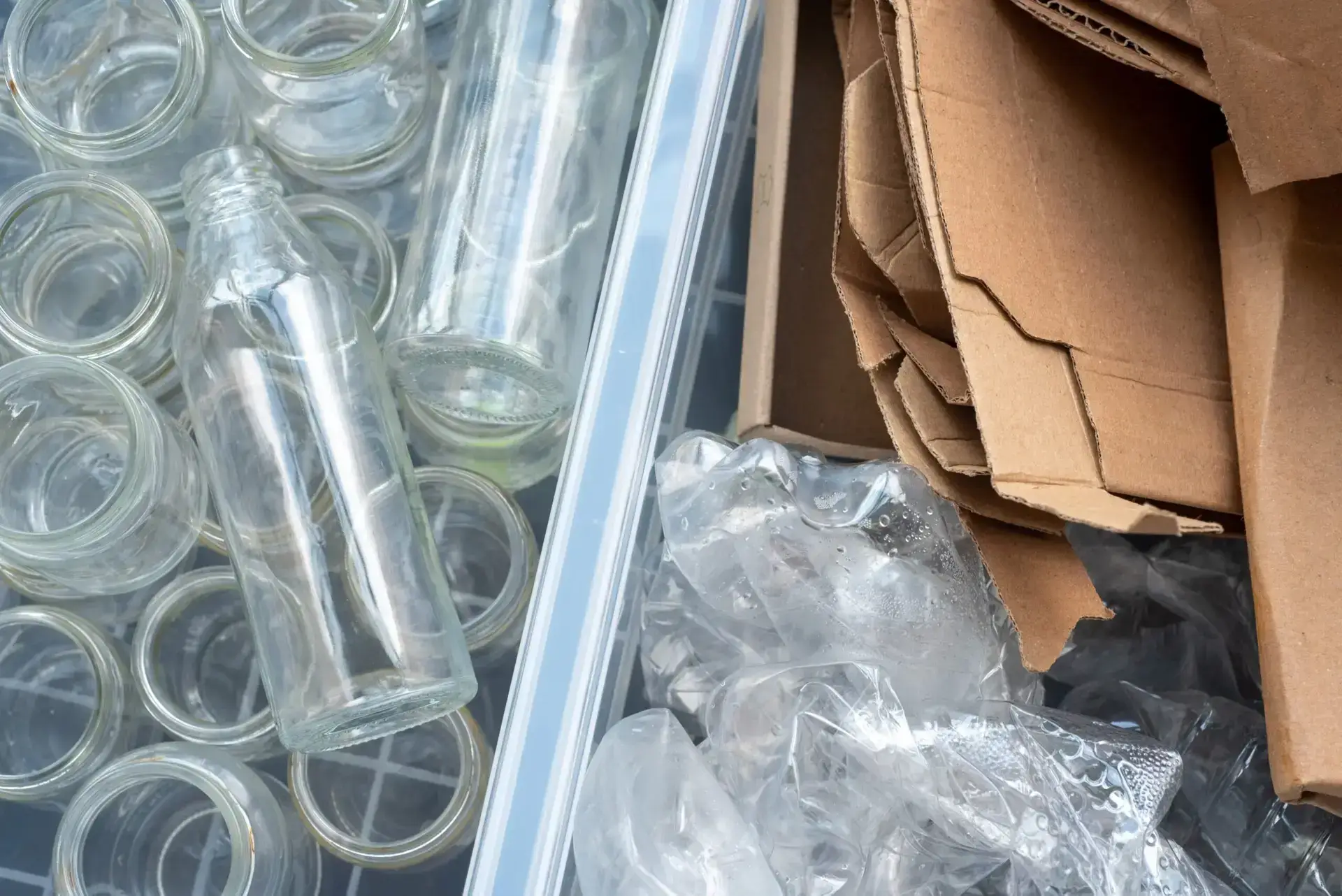
Most bubble wrap is technically store drop-off recyclable, but compliance rates are low. Consumers often don’t know where to bring it or assume it goes in the curbside bin (it doesn’t, in most municipalities). The result is that a large percentage of bubble wrap ends up in landfills even when recycling is available.
Material Efficiency
Air pillows use significantly less plastic per package than bubble wrap. Because the air does the cushioning work, the film itself can be thinner while still meeting protection standards. Less raw material per unit shipped means a smaller overall plastic footprint — an increasingly important metric for corporate sustainability reporting and brand-conscious consumers.
When to Use Air Pillows vs. Bubble Wrap
This isn’t an all-or-nothing decision. Most well-optimized fulfillment operations stock both materials and deploy them based on the product and shipment type.
Use Air Pillows When:
• The product is in retail packaging or has its own structural box
• You need to fill the void space to prevent shifting during transit
• You’re shipping 100+ packages per day and need throughput speed
• Storage space is limited, and you can’t dedicate floor area to pre-inflated materials
• Sustainability and recyclability are priorities for your brand messaging
• You want to lower material cost per package without sacrificing protection
Use Bubble Wrap When:
• The product is unboxed, fragile, or has a surface that scratches easily
• You need full-contact wrapping for irregularly shaped items
• Shipment volume is low enough that roll storage isn’t a concern
• The product requires individual wrapping before placement in the carton
• You’re shipping high-value items where per-unit protection cost is secondary to damage prevention
Use Both Together When:
High-value fragile items benefit from a layered approach: bubble wrap for direct product protection, air pillows for void fill and in-box stabilization. This combination gives you the best of both materials without over-packing.
Common Packaging Mistakes with Both Materials
Switching materials doesn’t automatically improve results if the underlying packing process has gaps. Watch for these common issues regardless of which material you use.
• Under-filling the carton. Whether you use air pillows or bubble wrap, the product should not be able to shift more than half an inch in any direction. If it moves, add more fill.
• Using the wrong carton size. Oversized cartons require excessive void fill and increase dimensional weight charges. Right-sizing the box is the single biggest cost-reduction move in packaging.
• Ignoring the unboxing experience. Customers notice when a product arrives swimming in loose fill. A clean, well-packed box with intentional void fill placement signals quality and care.
• Not testing after changes. Any time you switch packaging materials, run ISTA-style drop tests on your top SKUs before going live. A material that works for one product doesn’t automatically work for another.
• Skipping the recyclability label. If your packaging is recyclable, tell customers how. Clear disposal instructions on a packing slip or branded insert increase recycling compliance significantly.
How to Transition from Bubble Wrap to Air Pillows
If your analysis points toward air pillows for the majority of your shipments, here’s a structured transition approach that minimizes risk.
1. Audit your top 20 SKUs. Sort by shipment volume and damage rate. Identify which products are currently packed with bubble wrap and whether each one actually needs contact cushioning or just void fill.
2. Request sample film rolls. AIRFILL provides sample materials and can recommend the right pillow size and film type for your product mix.
3. Run a parallel test. Pack 50–100 units with air pillows alongside your current bubble wrap process. Track damage rates, pack time, and material cost per package for both groups over 30 days.
4. Install the auto inflation machine. AIRFILL’s no-cost machine lease program means you don’t need a capital expenditure to get started. The machine goes to the pack station and runs on standard power.
5. Roll out by line, not all at once. Start with your highest-volume, lowest-risk SKUs. Expand to more complex products as your team builds familiarity.
6. Keep bubble wrap for specialty items. Don’t force every product into one material. A hybrid approach usually delivers the best balance of protection, cost, and speed.
Browse the full range of film options and auto inflation machines in the AIRFILL product catalog.
Frequently Asked Questions
Are air pillows as protective as bubble wrap?
For void fill and blocking-and-bracing applications, air pillows provide equal or better protection than bubble wrap. Both pass standard ISTA transit tests when used correctly. Bubble wrap outperforms in direct-contact wrapping scenarios where the product surface needs cushioning.
Can I use air pillows for fragile items like glass or ceramics?
Yes, but the approach matters. Use air pillows as void fill around a fragile item that’s already wrapped or boxed. For bare fragile items, consider wrapping with bubble wrap first, then using air pillows to fill the remaining carton space. EdgeGuard corner protectors add an extra layer of edge protection for high-value, fragile products.
How much can I save by switching from bubble wrap to air pillows?
Most operations see a 40–60% reduction in material cost per package, plus significant storage savings from eliminating pre-inflated bubble wrap inventory. The exact figure depends on your current bubble wrap spend, shipment volume, and carton sizes. Request a cost analysis from AIRFILL to get numbers based on your actual usage.
Do air pillows work with automated packing lines?
Yes. Auto inflation machines can integrate into semi-automated and fully automated packing workflows. Options include overhead delivery systems, centralized production with box-fed dispensers, and custom mounting configurations near carton erectors.
What’s the environmental difference between air pillows and bubble wrap?
Air pillows use less plastic per package because the air does the cushioning work, not the film. AIRFILL’s standard bags are store drop-off recyclable, and the EcoGuard line is curbside recyclable. Most bubble wrap is store drop-off recyclable but lacks a curbside option, which reduces real-world recycling rates.
Do I need special equipment to use air pillows?
You need an auto inflation machine to inflate the film on demand. AIRFILL offers these machines through a no-cost lease program when you purchase film — there’s no upfront equipment investment required.
|
Want to see how air pillows compare to your current packaging? Request sample materials and a cost comparison from AIRFILL Technologies. Call (844) 247-3455 | Visit airfilltechnologies.com |