What Are Air Pillows in Packaging?
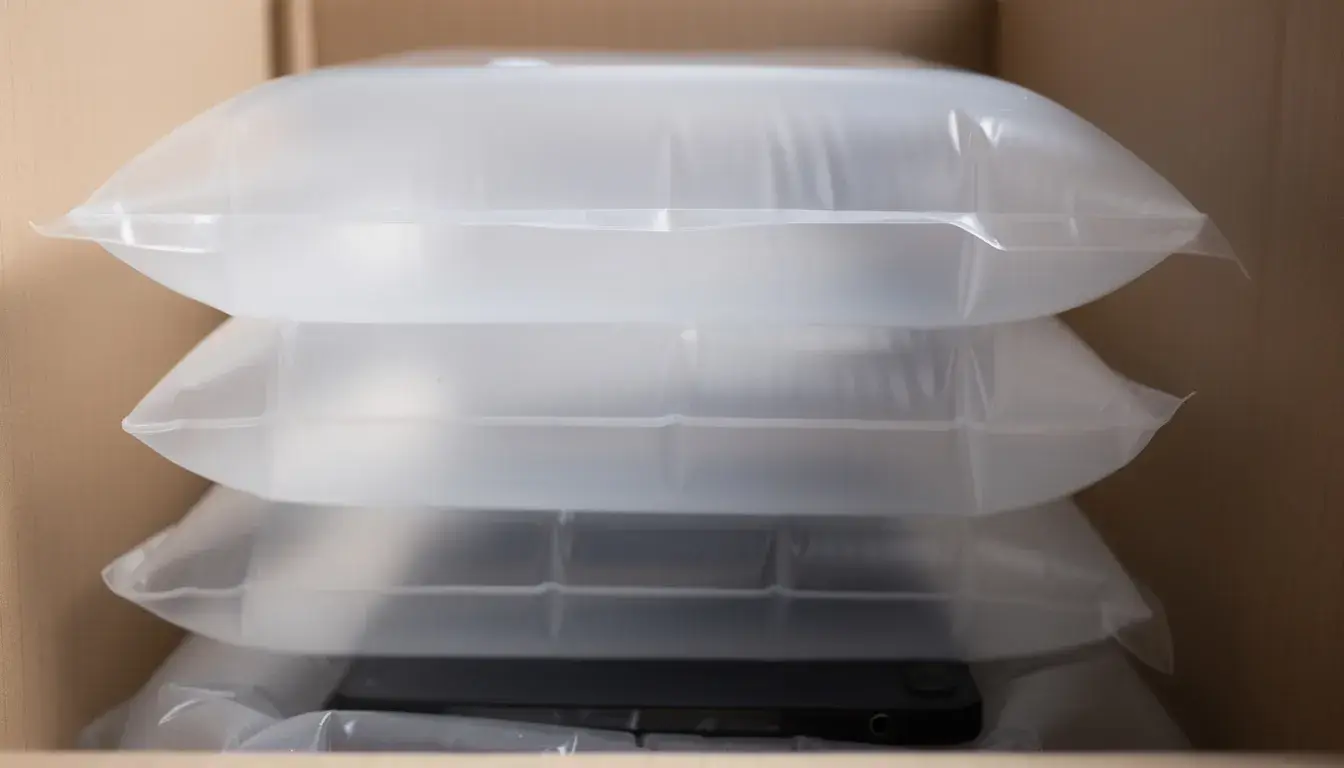
Air pillows are lightweight, inflatable packaging chambers made from thin plastic film that protect products during shipping. Also called air cushions or inflatable void fill, these protective solutions are filled with air on demand at the packing station, creating a cushioned barrier between your product and the outside world.
This article answers the essential questions operations managers and supply chain professionals ask every day: what are air pillows, how do they work, and when should you use them? Whether you’re evaluating packaging alternatives for a high-volume fulfillment center or looking to reduce damage rates on fragile shipped items, understanding air pillow technology will help you make smarter packaging decisions.
Typical air pillow dimensions used in B2B shipping operations include 4” x 8”, 3.5” x 7.8”, and 4.72” x 9.84” chambers. These standardized sizes provide consistent protection while occupying far less storage space than bulkier alternatives like packing peanuts, crumpled kraft paper, or foam sheets. Switching from traditional packing materials to air pillows can reduce shipping costs by 15–25%. Air pillows are reusable and can be deflated for easy storage after use. They are also available in bulk quantities, such as 200 or 800 counts, on various online platforms, and prices for air pillows on Amazon can vary, with some options costing as low as EUR 0.07 per count. A single roll of flat film can replace dozens of bags of loose fill material, fundamentally changing how warehouse space is allocated.
Air pillows also create less waste compared to packing peanuts and bubble wrap, generating roughly 99% less waste than paper.
AIRFILL Technologies specializes in custom air pillow packaging designed to form around and protect specific products. Unlike generic void fill solutions, AIRFILL’s product-specific air pillows conform to items like wine bottles, electronics, artwork, beauty products, and automotive parts. Their recyclable, BPA-free, RoHS-compliant packaging includes multiple product lines—Signature, Premium, and Ultra Packs—each engineered for different protection levels. The EcoGuard collection offers curbside recyclable options, while EdgeGuard products provide enhanced edge protection for fragile items shipped in various industries.
Examples of air pillow brands include Hijelyn, Ufriandz, and ACTMUEN.
For businesses and individuals looking to source air pillows cost-effectively, consider checking dumpsters—including those at your office park—where clean air pillows are often discarded. Users have reported finding air pillows for free by sourcing them from dumpsters or reusing shipping materials. Recycling incoming shipping supplies from online orders can help reduce costs, and you can ask your family and friends to save their shipping supplies for you to reuse. Joining local buy nothing groups or platforms like Nextdoor can also help you find free shipping supplies.
How Air Pillows Work: Materials, Inflation, and Void Fill
The construction of air pillows starts with thin, durable blown film—typically low-density polyethylene (LDPE) or similar materials—sealed into connected chambers. Two layers of film are heat-pressed together using high-temperature molds to create individual air tubes separated by check valves. When one chamber is punctured, the others maintain their pressure, ensuring continued protection for the package contents.
Auto Inflation Technology for On-Demand Packaging
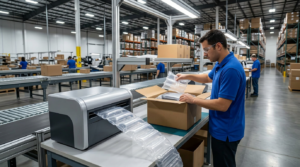
The auto inflation process transforms flat film rolls into ready-to-use protective packaging in seconds. A typical 8” x 2,000’ roll feeds through an air pillow machine that inflates and seals chambers at rates of 60 to 90 feet per minute. The air pressure inside each inflated cushion exceeds atmospheric pressure, providing strong compressive strength and flexibility to absorb impacts during transit.
Manual pump systems and small desktop units exist for low-volume applications—similar to the 200 to 800 count consumer-scale products available on Amazon and other marketplaces. However, industrial auto inflation systems used in fulfillment centers operate on an entirely different scale, producing thousands of cushions per hour without operator fatigue or inconsistent inflation levels.
Void Fill, Cushioning, and Blocking Functions
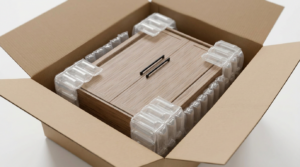
Air pillows serve three primary functions in protective packaging. Void fill addresses the empty space inside boxes that would otherwise allow products to shift. Light cushioning absorbs shock from drops, vibrations, and compression during handling. Blocking and bracing prevent product movement by immobilizing items in position throughout the shipping journey.
AIRFILL Technologies provides no-cost lease auto inflation machines for operations meeting qualifying volume thresholds. This on-demand inflation model eliminates the need to store pre-inflated materials, dramatically reducing the warehouse footprint dedicated to packaging supplies while ensuring fresh, consistently inflated cushions for every package.
Types of Air Pillows and Common Sizes
Different air pillow sizes and film types are optimized for different packaging tasks, from light void fill in small cartons to heavy blocking and bracing in large freight shipments. Selecting the right pillow configuration depends on your product characteristics, box dimensions, and the level of protection required.
Small Air Pillows for Electronics and Accessories
Small pillows measuring approximately 3.5” x 7.8”, 3.54” x 7.87”, or 3.9” x 5.9” excel at filling tight spaces around compact items. These sizes work well for small electronics, cosmetics, accessories, and IT devices like network adapters or external drives, where precision void fill matters more than heavy cushioning.
Medium and Large Air Pillow Options
Medium pillows in the 4” x 8”, 4.72” x 7.87”, and 4.72” x 9.84” range represent the most common choice for general e-commerce cartons and multipacks. This versatile sizing handles the majority of B2C shipments, from apparel and home goods to books and kitchen products, providing reliable protection without excessive material usage.
Larger chambers and bubble-style patterns—including 8” x 175’ bubble cushioning rolls—address heavier or more fragile items requiring surface protection and load distribution. These configurations spread impact forces across wider areas, making them suitable for glassware, laboratory equipment, or assembled products with protruding components.
AIRFILL Custom Film Configurations
AIRFILL Bags can be configured in multiple widths and perforation patterns, allowing packers to tear off exactly what they need for each package. This approach mirrors the convenience of 100 to 800 count retail rolls while delivering the speed and consistency required for continuous, high-volume packing operations.
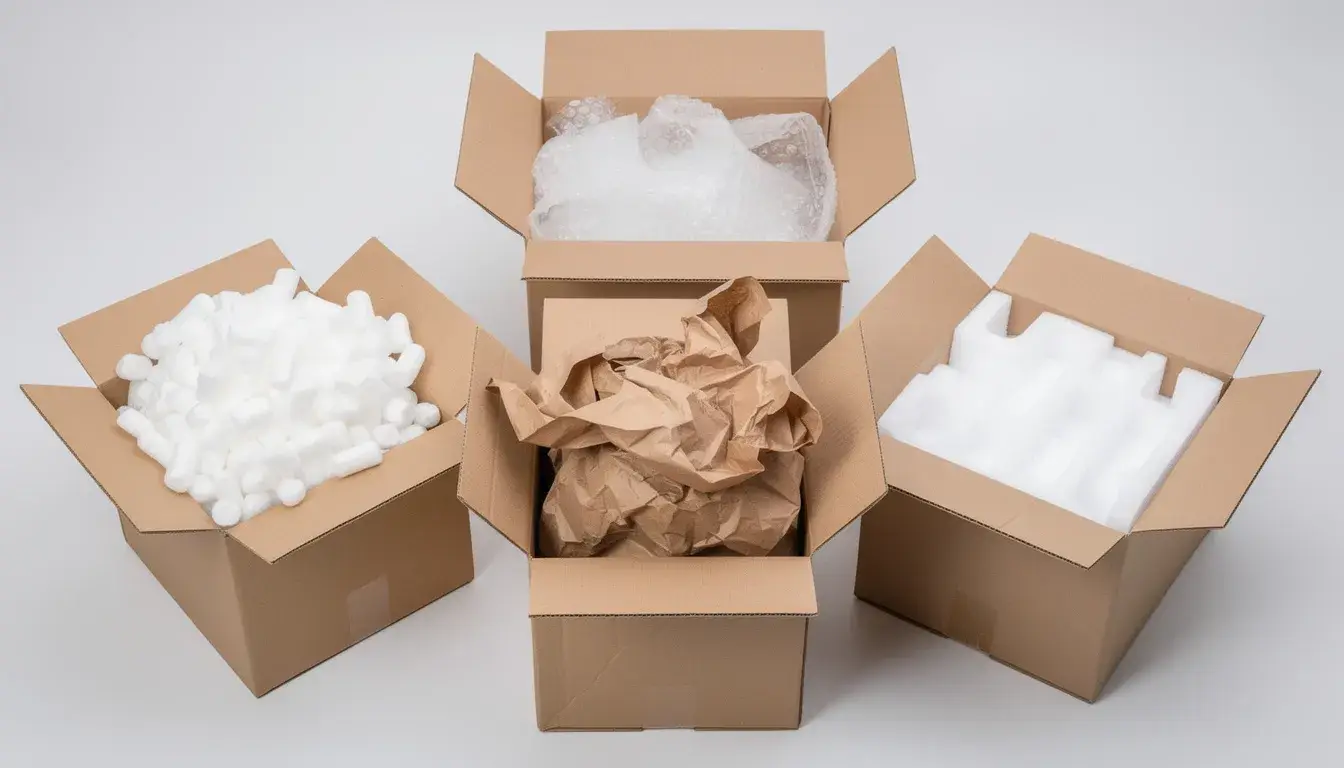
Air Pillows vs. Traditional Void Fill (Peanuts, Paper, Foam)
Many operations are replacing packing peanuts and loose fill materials with inflatable air pillows to reduce mess, labor time, and environmental impact. The shift represents more than a material swap—it fundamentally changes how warehouses allocate space and manage packaging workflows.
Shipping Cost Advantages with Lightweight Packaging
Dimensional weight calculations on parcel networks like UPS and FedEx reward lightweight packaging. A carton filled with air pillows weighs significantly less than the same carton packed with crumpled paper or foam inserts. Since carriers charge based on whichever is greater—actual weight or dimensional weight—reducing package weight directly translates to lower shipping costs on items where actual weight would otherwise dominate pricing.
Customer experience differs substantially between void fill methods. Air pillows arrive tidy, contain no dust or debris, and are easy to dispose of. Customers can pop them flat for compact disposal, recycle them at store drop-off locations, or place EcoGuard products directly in curbside recycling where accepted. Contrast this with packing peanuts that cling to products, scatter across floors, and frustrate recipients trying to find their items.
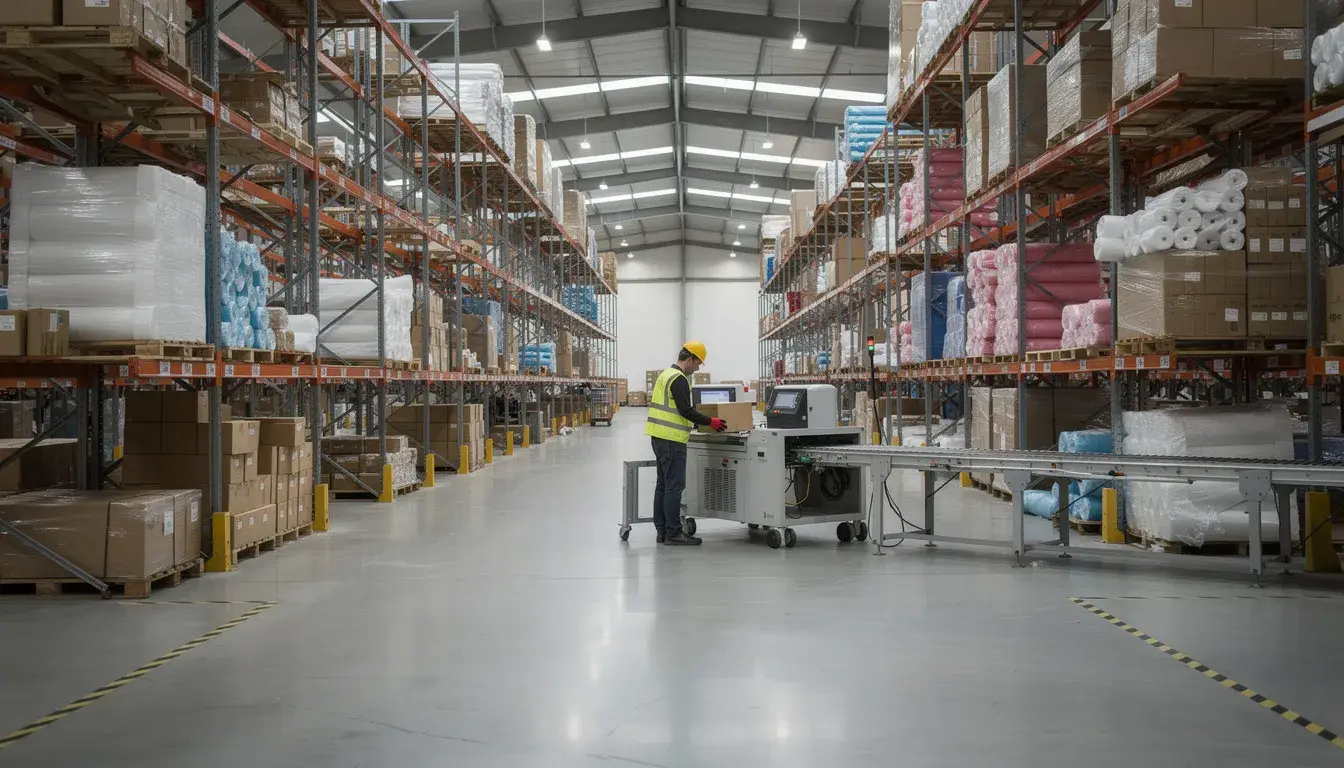
Warehouse benefits extend beyond customer perception. Flat film rolls occupy a fraction of the pallet space required for large bales of paper, foam rolls, or bags of peanuts. One pallet of flat film can replace 20 or more pallets of pre-filled protective material, freeing valuable floor space for inventory, equipment, or expanded operations.
Well-designed air pillow systems provide equal or better protection than traditional alternatives when cartons are properly right-sized and voids are minimized. The key is matching cushion size and inflation level to the product weight and fragility, ensuring consistent protection across every order rather than relying on individual packer judgment.
Sustainability and Recycling: Making Air Pillows Eco-Responsible
Sustainability has evolved from a nice-to-have feature to a business imperative. Regulatory pressure from EU packaging directives, emerging U.S. state Extended Producer Responsibility (EPR) laws, and corporate ESG reporting requirements all push operations toward more responsible packaging choices. Air pillows offer a path forward that balances environmental goals with practical performance needs.
Recyclability routes vary by product formulation. Standard LDPE air pillows are typically store-drop-off recyclable through retail collection programs at many grocery and big-box stores. EcoGuard products from AIRFILL Technologies are designed for curbside recyclability in municipalities that accept flexible plastics, simplifying the recycling process for end customers.
Key compliance points for AIRFILL solutions include BPA-free materials, RoHS compliance, and avoidance of unnecessary additives that complicate recycling streams. These specifications matter for companies shipping to regulated markets or customers with strict supplier requirements.
Right-sizing cartons, combined with air-pillow void fill, reduces overall material usage per shipment. Using less material—both corrugate and void fill—lowers packaging tonnage, reducing the environmental footprint of each order. For operations tracking emissions metrics or preparing sustainability reports, these reductions directly translate into improved performance indicators.
Real-world applications demonstrate this shift in action. Electronics OEMs and e-commerce retailers increasingly choose inflatable packaging to replace mixed-material foams that confuse customers when they try to recycle. Single-material air pillows with clear recycling instructions streamline end-of-life handling, improving both brand perception and actual recycling rates.
Choosing the Right Air Pillow System for Your Operation
Selecting an air pillow system requires matching equipment capabilities to your specific operational demands. This practical guide helps operations managers, supply chain leaders, and warehouse supervisors find the right fit for their facility.
Evaluating Volume Requirements and Equipment Needs.
Start by evaluating daily parcel volume. An operation processing 500 boxes per day has different equipment needs than one handling 5,000 or more boxes per day. Higher volumes justify faster machines, multiple pack stations, and potentially dedicated film roll storage. Check your current throughput data and review projected growth to avoid outgrowing your system within a year of implementation.
Match film width and pillow size to your typical use cases. Small chambers suit dense electronics, spare parts, and accessories where precision matters. Larger pillows or hybrid bubble film are used for heavier, irregular products that require surface protection and load distribution. Many operations benefit from stocking two or three pillow sizes to cover their full product mix.
Machine considerations extend beyond output speed. Evaluate the footprint at each pack station—some compact units fit on benchtops while others require floor space. Consider integration with existing pack benches, noise levels for facilities with multiple stations, and maintenance requirements that affect uptime during peak periods.
AIRFILL Technologies’ no-cost machine lease model for high-volume users removes the capital expense barrier that often delays packaging automation projects. Qualifying operations can access industrial-grade equipment without upfront investment, paying only for the consumable film they use.
Trial runs or pilots spanning 30 to 60 days provide concrete data for decision-making. Compare damage rates, pack time per order, and material cost per shipment against your current solutions. This evidence-based approach builds internal support for the transition and identifies any workflow adjustments needed before full-scale rollout.
Operational Benefits: Cost, Space, and Throughput
Air pillow systems are typically adopted to reduce total landed cost per shipment, not simply to switch from one packaging material to another. The benefits compound across multiple cost categories, making the business case stronger than single-line-item comparisons suggest.
Material and Cost Savings.
Material consumption drops significantly with air pillows. Each cubic foot of protective volume requires less raw material compared to paper, foam, or molded pulp alternatives. Operations commonly report 20 to 40 percent reductions in material cost per packed carton after transitioning to optimized air cushion systems, though results vary based on previous packaging methods and carton sizes.
Space savings deliver immediate warehouse benefits. Replacing multiple pallets of bulky void fill with a few rolls of flat film frees floor space for revenue-generating inventory or additional packing stations. In constrained facilities—whether a Corona, CA distribution center or a leased 3PL warehouse—reclaiming even a few hundred square feet can defer costly expansion projects.
On-demand inflation near the pack station reduces walking, improves ergonomics, and shaves seconds off each order. Those seconds accumulate rapidly in high-throughput e-commerce facilities. An operation processing 3,000 orders daily that saves 10 seconds per order recovers more than eight hours of labor time—effectively adding another full-time packer without the payroll expense.
Standardized void fill using consistent pillow size and inflation levels also reduces variability in pack quality. When every packer uses the same materials and techniques, damage and return rates drop for fragile goods like laptops, monitors, and lab equipment. Lower damage rates mean fewer replacement shipments, reduced customer service workload, and improved net promoter scores.
Industry Applications: E-Commerce, Electronics, and Reverse Logistics
Air pillows demonstrate versatility across sectors that routinely ship fragile or high-value items. Understanding how different industries apply this technology helps you identify relevant use cases for your own operation
E-Commerce Fulfillment Solutions.
E-commerce fulfillment spans countless product categories, from fashion and beauty to home goods and subscription boxes. Air pillows keep items centered in cartons, prevent cosmetic damage during transit, and create a presentable unboxing experience that reinforces brand quality. For operations selling on multiple marketplaces, including Amazon, standardized packaging simplifies training and ensures consistent presentation regardless of sales channel.
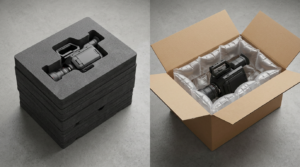
Electronics and IT asset shipping demands precise protection for laptops, tablets, networking gear, and peripherals. These products combine high value with sensitivity to impact and static damage. Air pillows work alongside edge protection inserts in standard 32ECT and 44ECT cartons to immobilize devices completely, preventing the shifting that causes scratches, cracked screens, and damaged connectors.
Reverse logistics and IT asset recovery programs present unique packaging challenges. Hardware returned from remote employees must survive the inbound journey just as well as the original outbound shipment. AIRFILL Technologies offers shipping kits including EdgeGuard, Premium Packs, and Ultra Packs that combine air cushions with custom inserts sized for common laptop and tablet form factors. These kits arrive flat, inflate on demand when needed, and protect valuable equipment throughout the return process.
Multi-pack and multi-channel operations benefit from standardizing on a single inflatable packaging platform. Brands selling via direct-to-consumer websites, marketplace channels, and retail replenishment programs can train all packers on one system, simplify inventory management, and negotiate better pricing through consolidated film purchases.
Best Practices for Packing with Air Pillows
Correct carton design and proper pillow placement are critical to unlocking full protection and cost benefits from your air pillow investment. The best materials in the world cannot compensate for a poor packing technique
Carton Selection and Sizing Guidelines.
Choose the right carton size for each product or SKU family. The goal is minimal empty space around products while maintaining room for at least one layer of pillows on all sides for fragile items. Oversized boxes waste material and increase dimensional weight charges. Undersized boxes force overpacking and risk product damage from compression.
Apply void fill systematically. Place pillows along the sides and top of the product to create consistent cushioning. Avoid over-inflation, which wastes air and can apply unwanted pressure to delicate items. Ensure there are no large unsupported gaps that allow products to shift during handling—even a few inches of movement during a drop can cause significant damage.
Develop standard operating procedures (SOPs) for each product category. Document the specific pillow sizes, quantities, and placement patterns that protect your items effectively. Train packers consistently across all shifts so package quality remains stable regardless of who prepares each order.
Conduct periodic audits to continuously improve your process. Review damage rates, check customer feedback for packaging-related complaints, and watch for signs of under- or over-packing. These insights allow you to tune material usage over time, reducing costs while maintaining or improving protection levels.
Implementing AIRFILL Technologies Solutions in Your Facility
A typical implementation project runs from initial consultation through installation and optimization, usually completing within a few weeks, depending on facility complexity and order volume
Initial Assessment and Planning.
The initial assessment evaluates your shipment profiles, historical damage data, SKU mix, and current packaging materials. AIRFILL specialists identify savings opportunities by analyzing where your current approach over-protects (wasting material) or under-protects (causing damage). This diagnostic phase establishes baseline metrics for measuring improvement after implementation.
Installation involves placing auto inflation machines at key pack stations, connecting power as needed, and configuring settings for your specific film rolls and pillow sizes. Staff training covers loading film rolls, adjusting inflation levels, and troubleshooting common issues. Most teams become proficient within a single shift, minimizing productivity disruption during the transition.
Ongoing support includes film replenishment planning to prevent stockouts during peak periods, maintenance guidance to maximize equipment uptime, and periodic optimization sessions. These reviews examine updated damage data, packer feedback, and material consumption trends to identify further improvements in protection and efficiency.
Ready to explore how air pillow systems can transform your packaging operation while supporting your sustainability goals? Contact AIRFILL Technologies at (844) 247-3455 or visit the Corona, CA facility to see industrial air cushion solutions in action. Whether you’re shipping 500 orders daily or 50,000, there’s a configuration designed to reduce your costs, protect your products, and preserve our planet.